The recent public discourse surrounding singer Skales’ testimony and Pastor Harrison Anyintete’s strong reaction has brought the critical importance of church testimony guidelines to the forefront. This controversy stems from Skales’ assertion that his song “Shake Body” gained renewed popularity after a viral dance by Barcelona star Lamine Yamal, which he presented as a direct answer to prayer. Pastor Anyintete, however, argues that such a testimony, linked to music he deems immoral, does not foster genuine spiritual growth or devotion among believers, sparking a wider discussion on the responsible presentation of personal experiences in a church setting.
Skales, whose real name is Raoul John Njeng-Njeng, shared his experience at Harvesters, describing how a single video clip featuring Lamine Yamal dancing to “Shake Body” dramatically revitalized his career. For the artist, this moment represented a profound divine intervention, an immediate answer to his prayers for career resurgence. This narrative, while inspiring to some, prompted a deeper examination of existing church testimony guidelines and their application in contemporary worship.
Pastor Harrison Anyintete’s response, however, was swift and pointed, though he clarified it was not a personal attack on Skales. Instead, his criticism was aimed squarely at the church’s decision to promote such a testimony without adhering to robust church testimony guidelines. Anyintete stressed that the core issue was the message conveyed to the congregation, particularly the younger generation. He questioned whether celebrating success derived from music described as immoral aligns with the church’s mission to cultivate spiritual maturity and godly values.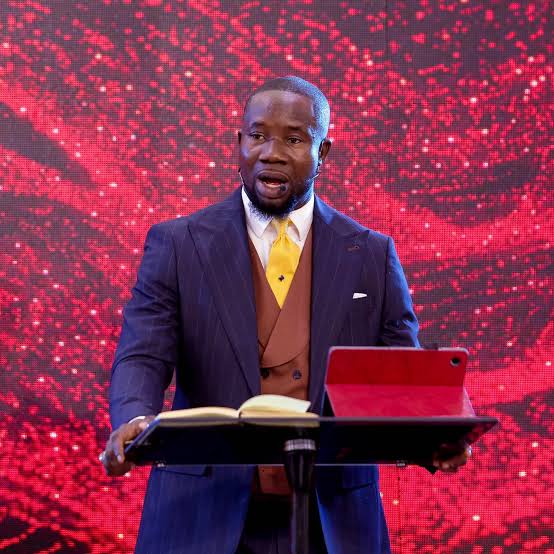
What is a church testimony? A church testimony is a personal account shared by a believer detailing how God has worked in their life, often involving answered prayers, divine intervention, or overcoming struggles. Its primary purpose is to glorify God, encourage fellow believers, and demonstrate God’s faithfulness, thereby fostering spiritual growth and strengthening faith within the community.
Understanding what is spiritual growth is crucial to this debate. Spiritual growth involves a continuous process of deepening one’s relationship with God, developing Christ-like character, and maturing in faith through obedience to His word and dedication to prayer. Pastor Anyintete’s concern is that testimonies should actively contribute to this process, inspiring devotion and righteous living, rather than inadvertently endorsing paths that might contradict Christian principles, thereby necessitating clear church testimony guidelines.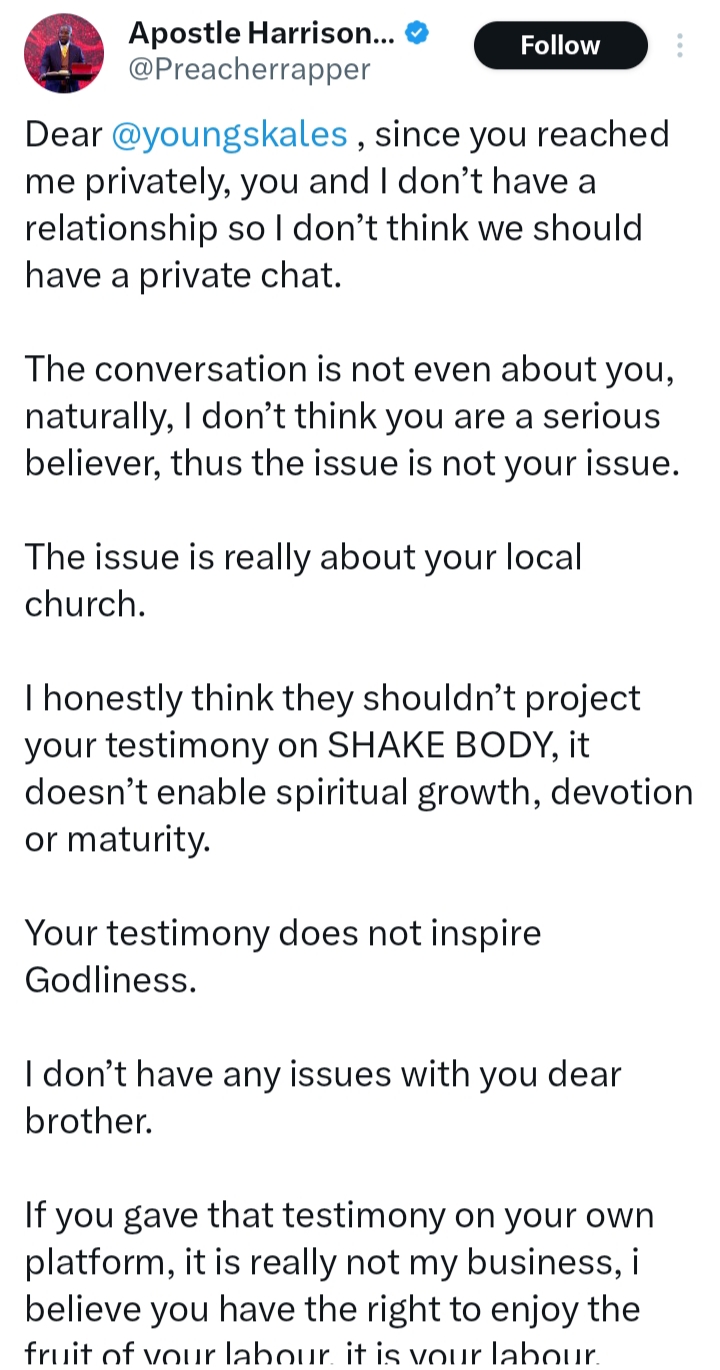
The underlying tension in this discussion often revolves around the debate of secular vs gospel music within Christian contexts. While gospel music explicitly carries religious messages, secular music, even if not overtly spiritual, can sometimes be appreciated for its artistic merit. However, when secular music with potentially questionable lyrical content is directly linked to divine blessing within a church testimony, it blurs lines and raises questions about discernment and the importance of well-defined church testimony guidelines.
The Skales Shake Body virality presented a unique challenge for churches in applying their existing church testimony guidelines. While the artist rejoiced in his renewed fame, the pastor feared that framing this as a divinely blessed outcome could inadvertently encourage young people to pursue similar paths, prioritizing worldly success achieved through any means, while still expecting God’s favor. This, Anyintete argued, sets a dangerous precedent and provides a “very wrong example” for impressionable minds seeking to navigate their faith in a contemporary world.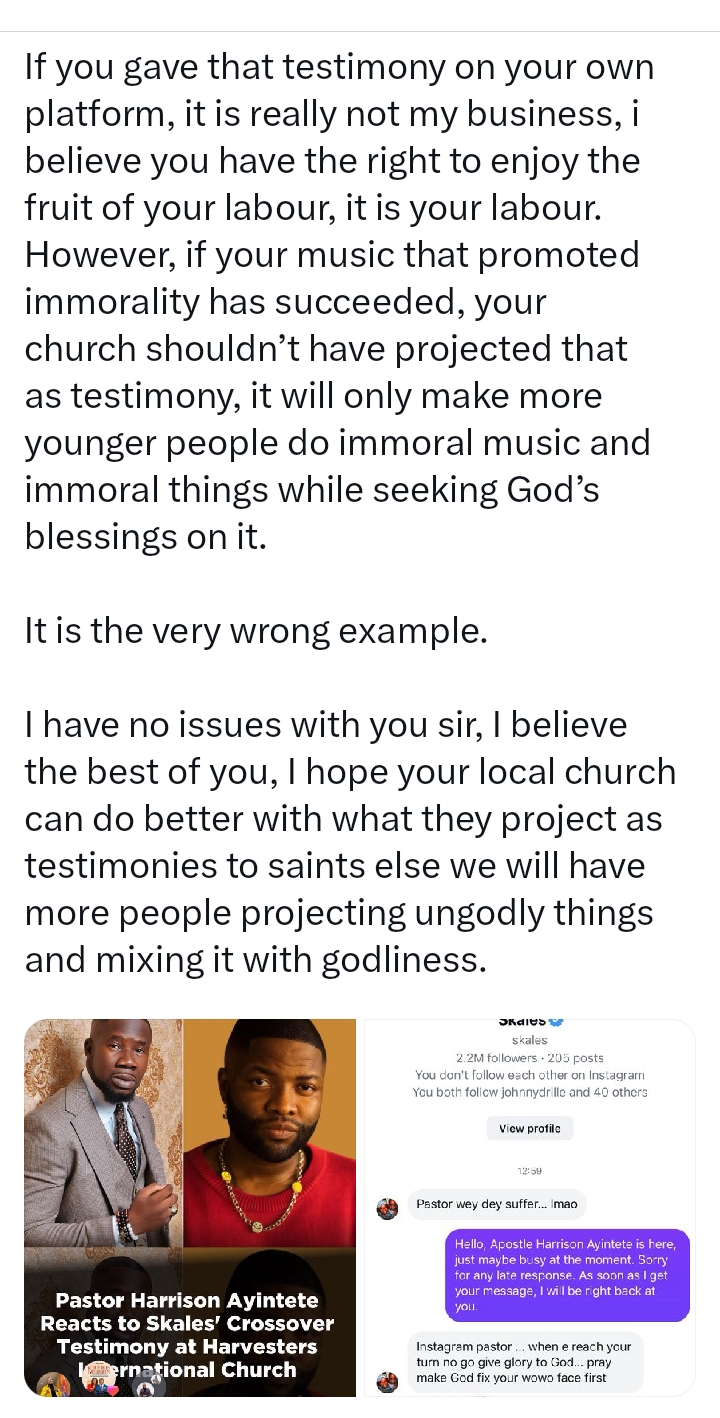
Moving forward, establishing clear and updated church testimony guidelines 2026 becomes increasingly important. These guidelines could help ensure that testimonies are not only personal accounts of God’s work but also align with the broader goals of spiritual edification and moral instruction. Such frameworks would assist congregants in sharing experiences that genuinely inspire spiritual growth and reverence, without causing confusion or inadvertently promoting values contrary to biblical teachings.
Therefore, the central question for many churches is how to share a testimony effectively and responsibly, especially in light of the renewed focus on church testimony guidelines. It involves carefully considering the message, the potential implications, and whether it truly uplifts God’s name and encourages righteous living. While celebrating individual successes is part of community, the church’s ultimate responsibility is to guide believers towards a deeper, more mature understanding of their faith, ensuring that all shared experiences contribute positively to this journey.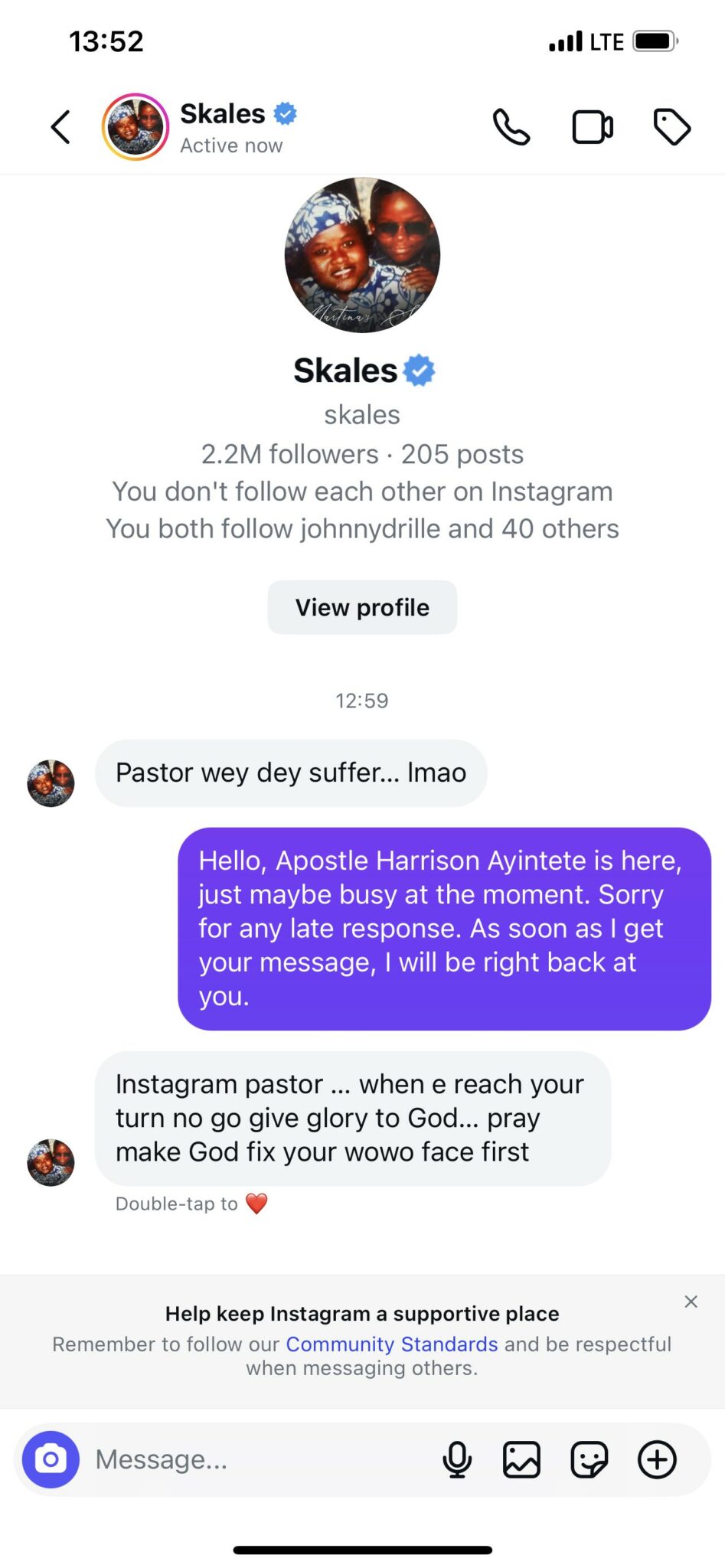
In conclusion, the controversy sparked by Pastor Harrison Anyintete’s critique underscores the vital need for robust and thoughtfully applied church testimony guidelines. This debate highlights a fundamental tension between modern cultural expressions and traditional religious values, prompting a crucial conversation about the nature of testimony, the pursuit of spiritual growth, and the messages conveyed to congregants. Ultimately, this discussion emphasizes the ongoing challenge for religious institutions to navigate contemporary issues while upholding core principles of faith and morality, ensuring that all shared experiences truly lead to spiritual maturity and edification.