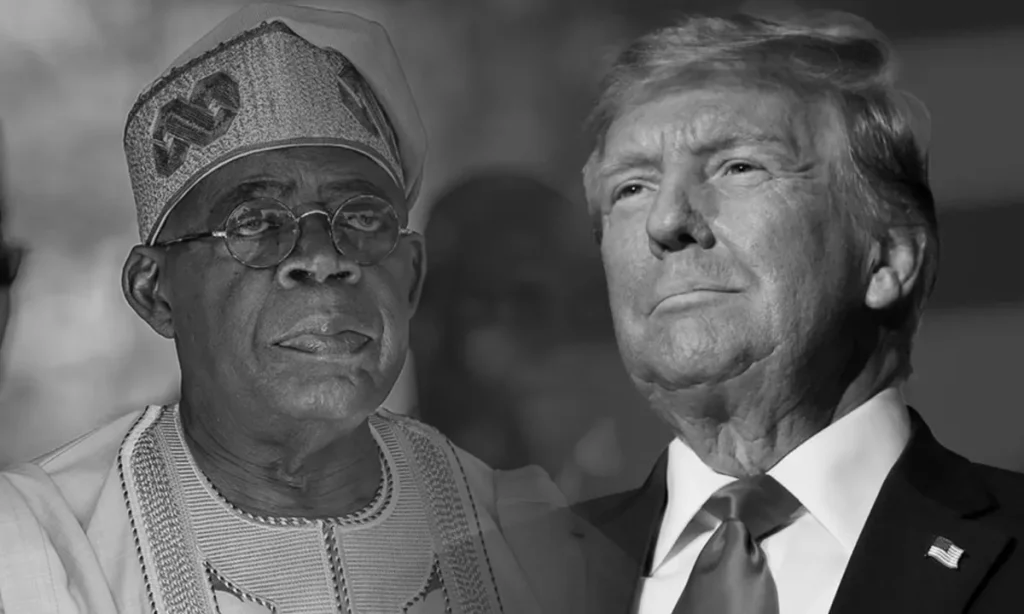
The complex nature of America’s interest in Nigeria has long been a subject of intense debate, particularly concerning the true motivations behind its foreign policy engagements. While often framed through the lens of humanitarian intervention or democratic promotion, a former high-ranking official has cautioned that these narratives may obscure a more fundamental pursuit: control over strategic resources. This perspective challenges the prevailing notion that external powers are solely driven by altruistic concerns, especially when addressing pressing issues like insecurity or religious tensions within nations like Nigeria.
Drawing lessons from recent international events, notably the United States’ actions concerning Venezuela, Prof. Lai Olurode, a former National Commissioner of the Independent National Electoral Commission (INEC), highlighted a pattern in America’s interest in Nigeria. He suggested that such interventions, ostensibly for humanitarian reasons, frequently align with strategic objectives related to resource acquisition. The Venezuela situation, where the US moved against the Maduro administration, served as a stark reminder that geopolitical maneuvers can prioritize economic leverage over stated humanitarian goals.
The perennial argument of humanitarian intervention vs resource control forms the bedrock of this skepticism regarding America’s true interest in Nigeria. Critics argue that nations rich in natural resources, especially oil and gas like Nigeria, become focal points for external powers seeking to secure their energy supplies and economic dominance. The narrative of protecting vulnerable populations, while potentially having some merit, can sometimes serve as a convenient justification for actions primarily aimed at ensuring access to vital commodities, thereby shaping the geopolitical landscape.
Under the administration of Donald Trump, foreign policy often adopted a more transactional and assertive stance, leading many to question why is Trump’s foreign policy controversial. His “America First” doctrine was perceived by some as a departure from traditional diplomacy, prioritizing national interests and economic gains above multilateral agreements or the sovereignty of smaller nations. This approach, as observed by Olurode, created an environment where the rights and autonomy of developing countries could be easily sidelined in pursuit of perceived American advantages, directly impacting the perception of America’s interest in Nigeria.
What is America’s interest in Nigeria? America’s primary interest in Nigeria, like many resource-rich nations, often revolves around securing strategic energy resources and maintaining regional stability. While humanitarian concerns are frequently cited, geopolitical and economic motivations, particularly oil and gas, consistently underpin its foreign policy decisions in the region.
Nigeria currently grapples with multifaceted security challenges, prompting some citizens to advocate for external military support. However, relying on foreign intervention, especially from powers with their own strategic agendas, may not offer sustainable Nigeria insecurity solutions guide. Instead, it risks exacerbating internal complexities and compromising national sovereignty. A more robust approach would involve strengthening domestic institutions, fostering inclusive governance, and addressing the root causes of conflict from within, rather than ceding control to external forces driven by their own interpretation of America’s interest in Nigeria.
The narrative surrounding Christian persecution Nigeria update is a sensitive and complex issue. While genuine challenges exist for various communities, the framing of such situations by external powers can sometimes be instrumentalized. For some critics, claims of religious genocide, when amplified internationally, might serve as a convenient pretext for intervention, diverting attention from the deeper economic and geopolitical interests at play, often tied to America’s interest in Nigeria.
The fundamental tension between US intervention vs sovereignty remains a critical concern for developing nations. Olurode explicitly warned against the erosion of national autonomy when powerful nations assert their will under various pretexts. Respect for a nation’s right to self-determination and non-interference in internal affairs is paramount for fostering stable international relations and preventing situations where external forces dictate domestic policy, especially when considering America’s interest in Nigeria.
Understanding US foreign policy in Nigeria explained reveals a broader pattern in global geopolitics where resource-rich nations often find themselves caught between internal pressures and external influences. The pursuit of strategic resources, coupled with the desire for regional stability that favors economic interests, shapes the diplomatic and military engagements of powerful nations. This critical analysis of America’s interest in Nigeria is vital for informed policy-making.
Looking ahead, formulating the best foreign policy for Nigeria 2026 will require a delicate balance of engagement and self-reliance. Similarly, any comprehensive Nigeria security challenges guide 2026 must prioritize indigenous solutions and resist the temptation of quick fixes from external actors whose motives might be misaligned with national interests. Building robust internal capacities and fostering regional cooperation will be crucial for long-term stability and genuine development, independent of external interpretations of America’s interest in Nigeria.
Ultimately, the discussion around America’s interest in Nigeria underscores a vital lesson for developing nations: while international cooperation is essential, a critical examination of external motivations is equally important. The former INEC chairman’s warning serves as a powerful reminder that self-interest, particularly concerning resources, frequently drives the foreign policy of powerful nations. Nigeria’s path to security and prosperity must therefore be anchored in its own strategic autonomy and a discerning approach to global partnerships.
Keywords: what is America's interest in Nigeria, why is Trump's foreign policy controversial, US intervention vs sovereignty, humanitarian intervention vs resource control, US foreign policy in Nigeria explained, Nigeria insecurity solutions guide, Trump Nigeria news today, Christian persecution Nigeria update, best foreign policy for Nigeria 2026, Nigeria security challenges guide 2026