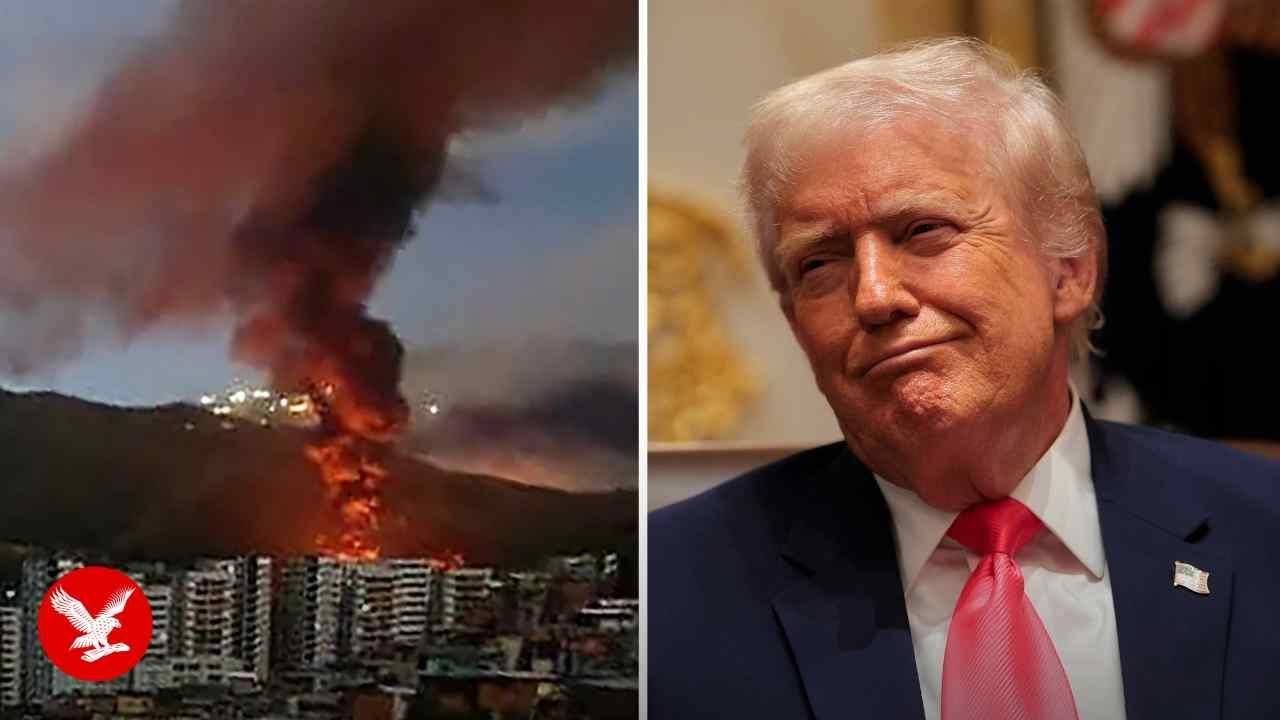
The dramatic capture of Nicolas Maduro, the Venezuelan President, has sent shockwaves across the globe, as the United States revealed unprecedented details of an operation that saw him indicted on serious charges, including Narco-Terrorism Conspiracy. President Donald Trump hailed the event as “an amazing thing,” confirming Maduro and his wife were aboard a U.S. warship en route to New York to face American justice. This swift action marks a significant escalation in the long-standing tensions between Washington and Caracas, igniting international debate over the legality and implications of such a direct intervention.
In the early hours preceding the capture of Maduro, Venezuela’s capital experienced at least seven explosions and low-flying aircraft, with the government accusing the U.S. of attacking civilian and military sites. President Trump, speaking from Mar-a-Lago, recounted watching the operation unfold in real-time, describing the speed and violence as something he had “never seen anything like.” This bold move, while condemned by many international bodies, was staunchly defended by members of the Trump administration, including Vice President JD Vance and Secretary of State Marco Rubio, who dismissed questions of illegality.
Why was Maduro captured? The capture of Maduro stems from a superseding indictment unsealed by federal prosecutors in New York City, which alleges that Nicolas Maduro and various Venezuelan officials “abused their positions of public trust and corrupted once-legitimate institutions to import tons of cocaine into the United States.” This legal action follows years of escalating rhetoric and sanctions against Maduro’s regime, painting a picture of deep-seated corruption and involvement in drug trafficking that directly threatened U.S. national security.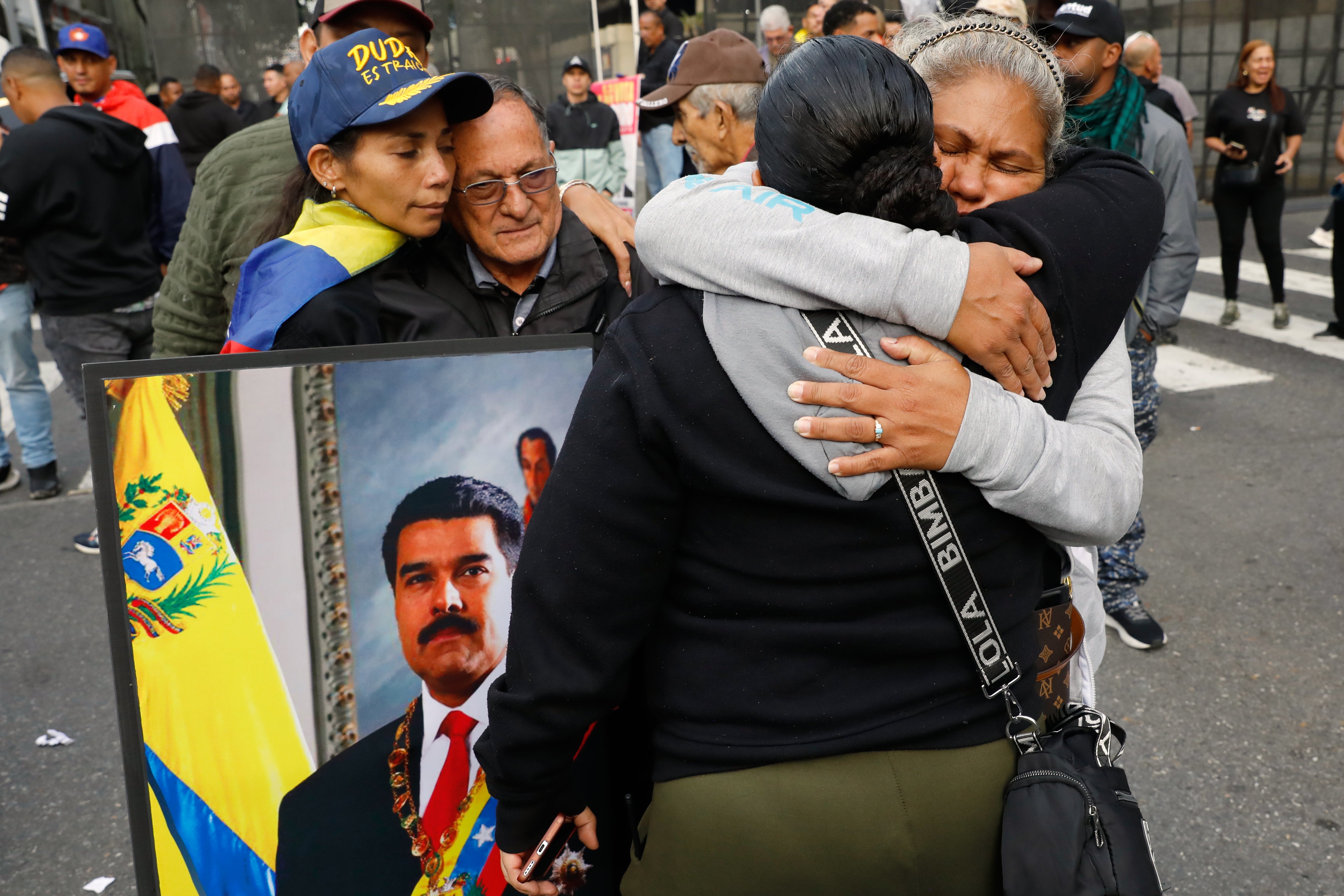
What are narco-terrorism charges against Maduro? The charges against Nicolas Maduro, including Narco-Terrorism Conspiracy, allege he and Venezuelan officials abused public trust to import tons of cocaine into the United States. These indictments claim a cycle of narcotics-based corruption enriched officials and benefited violent narco-terrorists operating with impunity on Venezuelan soil.
The Trump Maduro news has dominated headlines, highlighting the contentious relationship between the two leaders. The conflict between Trump and Maduro has been characterized by sharp diplomatic exchanges, economic sanctions, and now, direct military action. This dramatic turn of events raises critical questions about the future of US Venezuela conflict and the broader implications for Latin American stability. The international community, including the United Nations, has expressed deep alarm, calling the U.S. military escalation a “dangerous precedent” and urging respect for human rights and the rule of law.
The specifics of the Maduro indictment guide 2026 detail how prosecutors believe Maduro leveraged his authority. The Justice Department alleges that Maduro and his wife enriched themselves through a “cycle of narcotics-based corruption” that not only lined their pockets but also benefited violent narco-terrorists who operated freely within Venezuela. These allegations underscore the severity of the charges and the U.S. government’s determination to prosecute what it deems a significant threat.
The question of US intervention vs diplomacy Venezuela has been a contentious point throughout the crisis. While some lawmakers, like Rep. Jim Himes, called for immediate briefings on plans to prevent Venezuela from “descending into chaos” and questioned the legality of military action without Congressional authorization, the administration maintained its stance. President Trump had previously stated he would not necessarily seek congressional approval for military action against those bringing drugs into the U.S., signaling a readiness for unilateral action. This approach contrasts sharply with traditional diplomatic efforts often favored in such complex international disputes.
For those trying to understand the broader context, the Venezuela crisis for beginners often starts with its political instability and economic collapse. Years of hyperinflation, food shortages, and political repression have led to a mass exodus of Venezuelans, further exacerbating regional challenges. The recent events, including the capture of Maduro, are seen by many as a climax to this prolonged humanitarian and political emergency, with profound consequences for the country’s future.
Looking ahead, the Venezuela sanctions 2026 landscape is likely to evolve significantly following these developments. With Maduro now in U.S. custody, the focus will shift to the legal proceedings and the potential for a new political dynamic in Venezuela. The international community will be closely watching for any signs of stability or further unrest, and how the U.S. plans to navigate the aftermath of this high-stakes operation. The implications for regional alliances and global energy markets are considerable.
The capture of Nicolas Maduro marks a pivotal moment in the complex narrative of U.S.-Venezuela relations and the global fight against narco-terrorism. As the legal process unfolds in New York, the world awaits further details of the operation and the long-term ramifications for Venezuela’s political future and regional stability. This aggressive stance by the U.S. sends a clear message about its resolve to combat what it perceives as state-sponsored criminal activity.