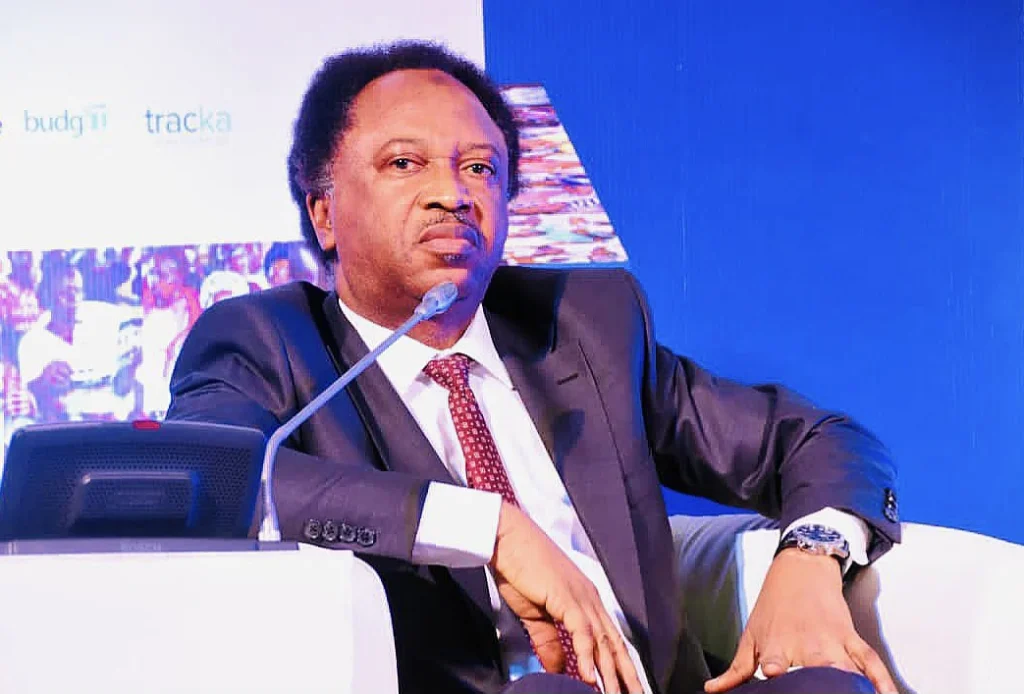
The recent imposition of an African visa ban on US citizens by several nations marks a significant shift in international diplomacy. This bold move, notably championed by countries like Mali and Burkina Faso, reflects a growing assertion of sovereignty across the African continent. Former Senator Shehu Sani of Kaduna Central has vocally welcomed these new restrictions, hailing them as a courageous and symbolic step. This development signals a clear message that African nations are increasingly prepared to defend their interests and challenge established global power dynamics.
What is the African visa ban on US citizens? The African visa ban refers to recent travel restrictions imposed by certain African nations, such as Mali and Burkina Faso, on citizens of the United States. These measures are largely seen as a retaliatory response to earlier visa policies enacted by the US, reflecting a growing assertiveness in African foreign policy.
The roots of this diplomatic tension can be traced back to various factors, including historical grievances, perceived disrespect, and recent visa policies implemented by the United States. For decades, many African nations have expressed frustration over what they view as imbalanced relations, where their citizens often face stringent visa requirements when traveling to Western countries, while Westerners historically enjoyed more lenient access to Africa. This imbalance has fueled a desire for greater reciprocity and self-respect on the global stage.
Why are African countries restricting US visas now? This current wave of visa restrictions stems from a complex interplay of internal political shifts and a broader re-evaluation of foreign policy. Nations in the Sahel region, particularly those undergoing political transitions, have increasingly sought to reduce perceived foreign interference and assert greater control over their internal affairs. This includes pushing back against former colonial powers and, by extension, other major global players like the United States.
Mali and Burkina Faso have been at the forefront of these new visa policies. The Mali visa restrictions vs Burkina Faso are largely similar in their intent and scope, reflecting a coordinated or at least ideologically aligned approach to foreign policy in the region. Both countries have recently experienced military coups and have since pivoted away from traditional Western alliances, seeking new partners and asserting a more independent stance on international issues. Their actions serve as a powerful statement against what they perceive as external pressures and interventions.
Senator Shehu Sani, a prominent voice in Nigerian politics, quickly reacted to these developments. In his Shehu Sani latest news commentaries, he lauded the actions of Mali, Burkina Faso, and Niger, specifically referencing their retaliation against previous US visa bans. His statement, “The Courageous decision by the Governments of Mali, Burkina Faso and Niger to retaliate against Mr Trump’s visa ban and restrictions is a proud moment for Africa,” underscored a sentiment of pride and defiance felt by many across the continent. He further emphasized that “Nobody has the monopoly of madness,” suggesting that global power is not an exclusive right.
The broader implications of these actions resonate deeply within the context of African visa policy vs US visa policy. Historically, the flow of travel has often favored Western citizens, with African travelers frequently encountering bureaucratic hurdles, high costs, and sometimes outright rejection for visas to the US and Europe. The decision to implement an African visa ban is a direct response to this historical imbalance, aiming to level this playing field, demanding mutual respect and a re-evaluation of existing diplomatic protocols. This isn’t merely about travel; it’s about signaling a fundamental shift in how African nations expect to be treated on the international stage.
To fully understand the situation, it’s essential to have the African visa ban explained in its wider geopolitical context. This isn’t an isolated incident but rather part of a larger trend where developing nations are increasingly challenging the post-colonial order. There’s a growing desire for genuine partnerships based on equality, rather than relationships perceived as hierarchical or exploitative. This shift is evident in various multilateral forums and bilateral discussions, where African leaders are advocating for reforms that grant them greater agency and influence.
Looking ahead, the trajectory of US Africa diplomatic relations guide will undoubtedly be influenced by these recent developments. The United States now faces a crucial decision point: how to respond to this assertive display of African sovereignty. A nuanced approach, focusing on dialogue and mutual respect, could help de-escalate tensions and foster a more equitable partnership. Conversely, a confrontational stance risks further alienating key African nations and pushing them towards alternative geopolitical alignments.
The current African visa ban news today highlights the immediate impact, but the long-term consequences are still unfolding. This shift could lead to a reassessment of aid packages, trade agreements, and security cooperations between the US and various African states. It forces both sides to reconsider their strategic priorities and adapt to a rapidly changing global landscape where traditional power dynamics are being challenged.
As we look towards the future, considerations for African visa policy 2026 suggest a continued evolution towards greater reciprocity and self-determination. African nations are likely to maintain their assertive stance, advocating for policies that reflect their growing economic and political influence. The implications for the African visa ban are far-reaching, potentially involving more streamlined regional visa agreements for African citizens and more stringent, yet fair, requirements for non-African visitors, mirroring the demands often placed on their own citizens.
The US Africa relations update 2026 will likely reflect the outcomes of these diplomatic shifts. Whether these actions lead to a more balanced and respectful relationship or to increased friction will depend on the willingness of all parties to engage in constructive dialogue. The message from African nations is clear: their sovereignty and self-respect are non-negotiable, and their foreign policy decisions will increasingly prioritize their national interests.
Ultimately, the imposition of an African visa ban on US citizens is more than just a bureaucratic measure; it is a powerful symbol of Africa’s evolving role in the world. It underscores a continent ready to challenge norms, assert its independence, and demand equal footing in global affairs. Senator Shehu Sani’s enthusiastic endorsement captures the spirit of a continent increasingly confident in its ability to shape its own destiny.
Keywords: what is the African visa ban, why are African countries restricting US visas, African visa policy vs US visa policy, Mali visa restrictions vs Burkina Faso, African visa ban explained, US Africa diplomatic relations guide, African visa ban news today, Shehu Sani latest news, African visa policy 2026, US Africa relations update 2026