


Violent demonstrations have once again gripped Iran, spreading across rural provinces and resulting in at least seven fatalities, including both security forces and protesters. These escalating protests, primarily ignited by the nation’s ailing economy and deep-seated livelihood concerns, represent the most significant unrest since the 2022 Mahsa Amini protests. Understanding why Iran protests are happening requires a look into the complex interplay of economic pressures, currency depreciation, and underlying political discontent that continues to simmer across the Islamic Republic.
While the intensity in the capital, Tehran, has somewhat subsided, the demonstrations have broadened their reach significantly, affecting various cities largely populated by Iran’s Lur ethnic group. The fatalities, occurring over two days in four different locations, signal a potential shift towards a more forceful response from Iran’s theocracy. This current wave of unrest, though not yet matching the nationwide scope and fervor of the 2022 protests, highlights persistent grievances among the populace.
What is Iran’s economic situation? Iran’s economy is currently facing severe challenges characterized by rampant inflation, significant currency fluctuations, and the debilitating impact of international sanctions. The rial has rapidly depreciated, with one US dollar now equating to approximately 1.4 million rials, profoundly eroding the purchasing power of ordinary citizens and fueling widespread economic discontent.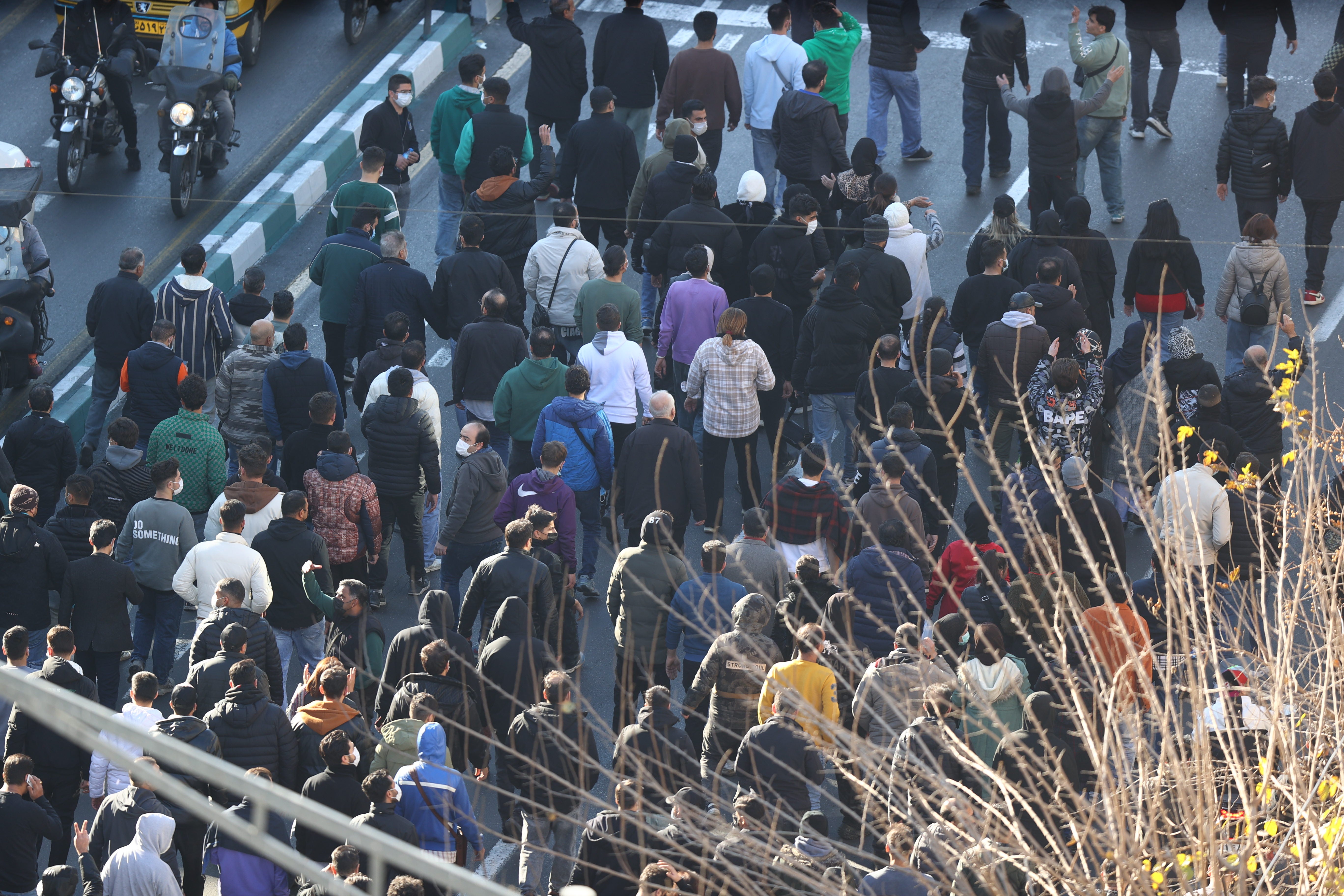
The most severe outbreaks of violence have been reported in cities such as Azna in Lorestan province, where online footage depicted streets ablaze and the sounds of gunfire amidst shouts of “Shameless! Shameless!” Similar scenes unfolded in Lordegan, with reports of fatalities among demonstrators. Security forces have been actively engaged in quelling the unrest, leading to injuries among paramilitary Revolutionary Guard Basij members and police officers, and numerous arrests have been made in cities like Kouhdasht.
Iran’s civilian government, under President Masoud Pezeshkian, has publicly signaled a desire to negotiate with protesters, acknowledging the legitimate economic pressures. However, Pezeshkian has also conceded the limited scope of his administration’s ability to swiftly reverse the economic downturn, particularly the drastic fall of the rial, highlighting the systemic nature of the crisis. This situation profoundly impacts Iran’s economy vs sanctions, as external pressures continually exacerbate internal vulnerabilities.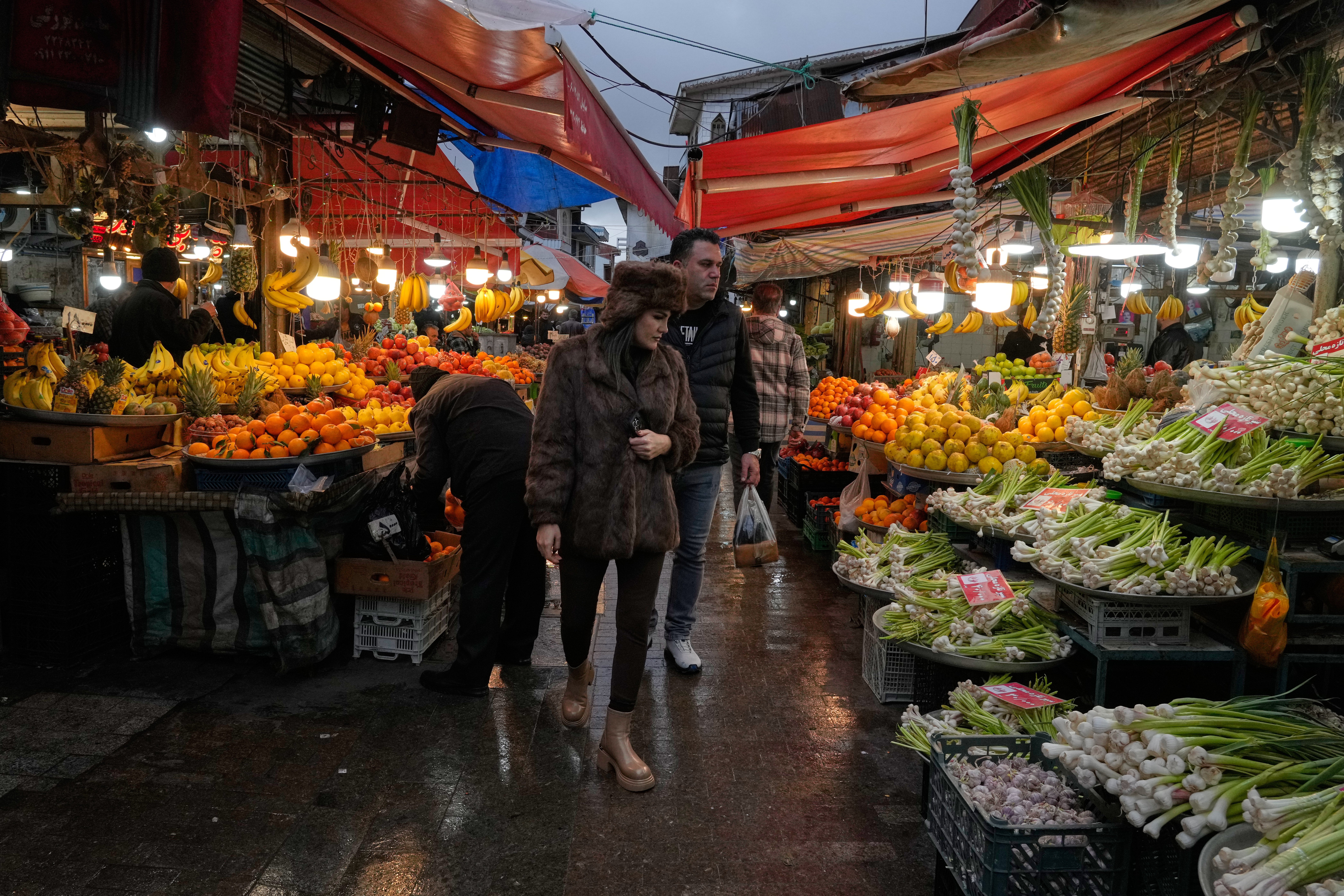
While the current demonstrations share similarities with the 2022 protests sparked by Mahsa Amini’s death, particularly in their localized intensity and calls for change, there are distinct differences. The 2022 movement, largely driven by women’s rights and compulsory hijab laws, quickly gained nationwide traction. In contrast, the present unrest, while still significant, is more explicitly rooted in economic grievances and has yet to achieve the same widespread national coordination, offering a compelling Iran protests vs 2022 comparison in terms of catalysts and reach.
For those seeking to understand the intricate details, the iran economic crisis explained reveals a multifaceted problem involving not only the direct impact of sanctions but also internal mismanagement, corruption, and a lack of diversified economic structures. This confluence of factors creates a volatile environment where public dissent can quickly erupt, often triggered by seemingly minor economic shifts. Following the iran protests latest news provides crucial real-time updates on this unfolding situation.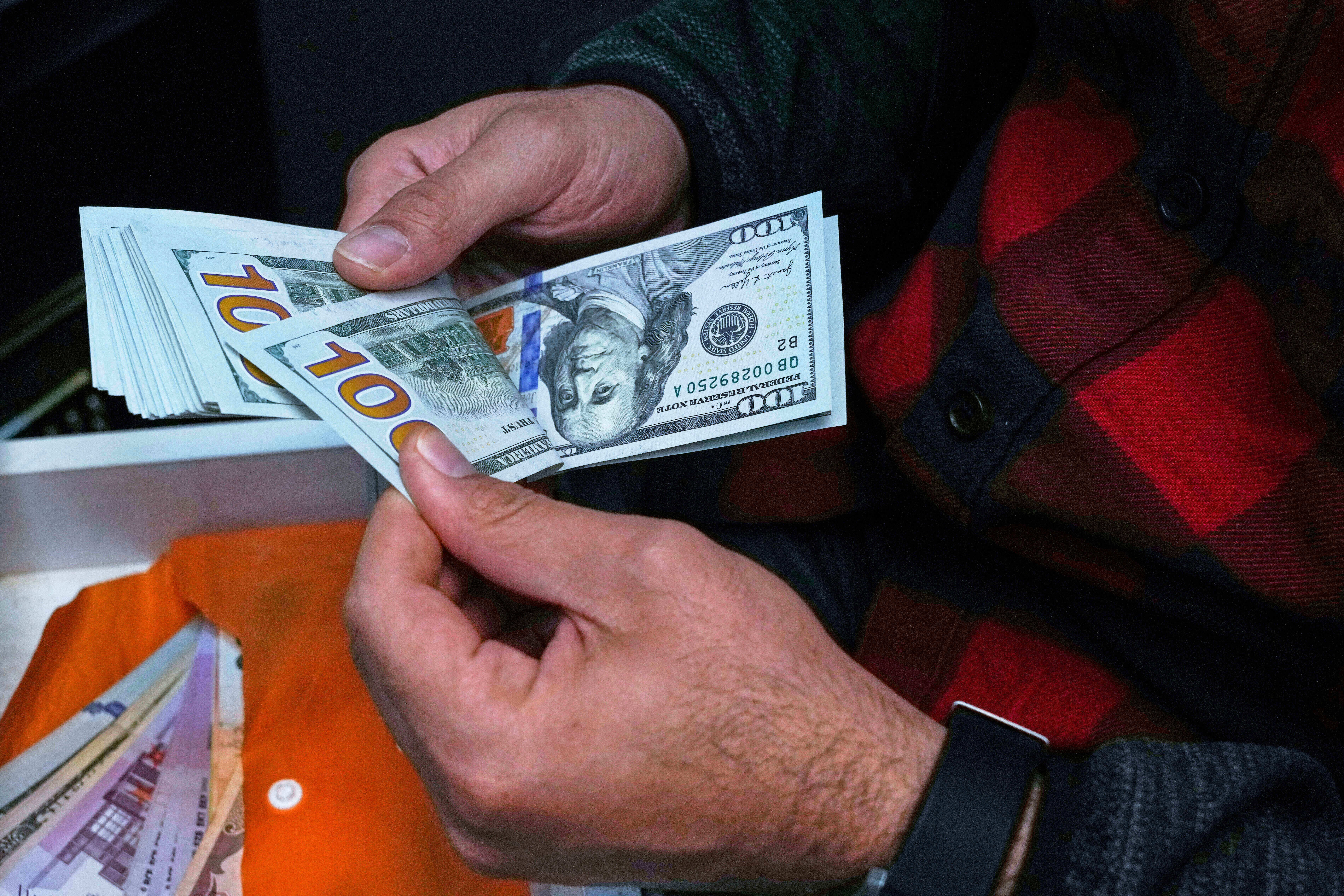
Navigating the complexities of these events requires a comprehensive iran protest guide to grasp the various factions, demands, and historical context. A real-time iran economy update today would undoubtedly highlight the continued pressure on the rial and the government’s ongoing struggles to stabilize prices and control inflation, which remains a primary driver behind the persistent demonstrations across the country.
Looking ahead, the iran political outlook 2026 remains uncertain, heavily dependent on both internal policy responses and the trajectory of international relations. The iran economic forecast 2026 also hinges on these geopolitical factors, alongside domestic reforms. Without significant shifts in either area, the nation faces a prolonged period of economic instability, making the current protests a critical indicator of future challenges.
The current wave of unrest, marked by fatalities and widespread economic grievances, underscores the persistent challenges facing Iran. From the severe depreciation of the rial to the ongoing impact of international sanctions, the factors contributing to the turmoil are deeply embedded. The question of why Iran protests are happening is rooted in a nation grappling with both immediate economic hardship and long-standing political discontent, indicating a complex path forward for the Islamic Republic.









