


The recent Machu Picchu train crash news has sent shockwaves through the global travel community, drawing attention to the critical safety aspects of journeying to Peru’s most iconic destination. A devastating head-on collision near the ancient Inca citadel resulted in the tragic death of a train driver and left at least 40 others injured, including foreign tourists. This incident, occurring on the single railway track that connects Ollantaytambo Station with Aguas Calientes, the gateway town to Machu Picchu, underscores the inherent risks associated with transport in remote and challenging terrains. Emergency services were swiftly deployed to the scene, highlighting the immediate and severe impact on visitors and local operations.
This Peru train accident update saw a massive immediate response, with over 20 ambulances dispatched to aid the injured. Health officials reported that at least 20 individuals were in serious condition, and while specific names were not released, the US embassy in Peru confirmed American citizens were among those affected. Hundreds of tourists found themselves stranded as railway services to the nearby city of Cuzco were suspended, causing significant disruption to travel plans. The two trains involved were operated by separate companies, PeruRail and Inca Rail, both of whom expressed deep regret over the incident and affirmed their commitment to supporting those affected.
Is Machu Picchu safe to visit? The answer is that while incidents like the recent Machu Picchu train crash are rare, travelers should always exercise caution. Authorities are investigating the accident, and Peru remains a generally safe destination. Staying informed about local conditions and transport options, including reviewing “machu picchu safety tips,” is crucial for a secure journey.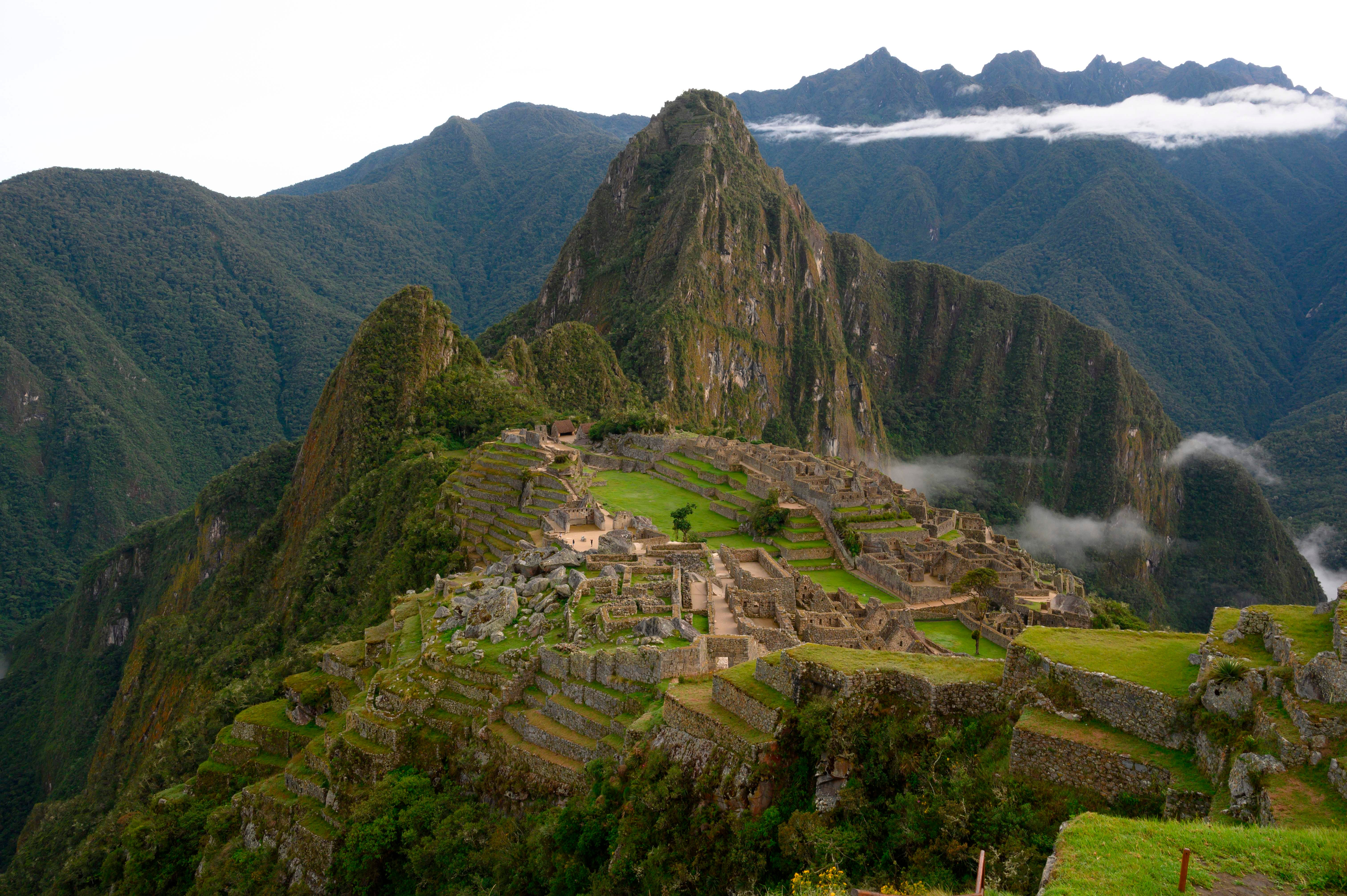
Looking ahead, concerns about machu picchu travel safety 2025 are likely to influence planning for future visitors in light of the Machu Picchu train crash news. While the site itself is a UNESCO World Heritage site and a wonder of the world, access relies heavily on specific transport routes. Ensuring the highest standards of safety for these vital connections will be paramount for maintaining Peru’s reputation as a premier tourist destination and reassuring prospective travelers.
The collision also brings into focus the operations of the railway companies. What is PeruRail, for instance? It is one of the dominant operators providing train services to Machu Picchu, alongside Inca Rail. The incident inevitably sparks comparisons between PeruRail vs Inca Rail regarding their safety protocols, maintenance standards, and emergency response capabilities following the Machu Picchu train crash. Both companies are crucial to the region’s tourism infrastructure, and their performance in such crises is closely scrutinized by the public and authorities.
For anyone planning a trip, a comprehensive machu picchu travel guide is essential. The journey to the citadel is an integral part of the experience, traversing stunning Andean landscapes. The events surrounding the Machu Picchu train crash news highlight the importance of careful planning. While the train ride offers unparalleled views and convenience, visitors often research all aspects of their trip, from accommodation to on-site activities. Understanding the logistics, including the various routes and transport providers, helps ensure a smooth and enjoyable visit.
When considering the best way to get to machu picchu 2025, travelers will weigh factors such as cost, comfort, and increasingly, safety. Options range from luxury train services to more economical alternatives, as well as the adventurous four-day Inca Trail hike. Each method presents its own set of considerations, and recent events may prompt a more thorough evaluation of these choices, particularly after the Machu Picchu train crash.
Beyond just train travel, general machu picchu safety tips encompass a broader range of advice. This includes acclimatizing to the high altitude to avoid soroche (altitude sickness), staying hydrated, protecting oneself from the sun, and being aware of personal belongings. Following the Machu Picchu train crash, travelers are more attuned to ensuring every aspect of their journey is secure.
Many visitors also ponder the choice between machu picchu vs huayna picchu, a separate, steeper peak offering breathtaking views. While the main citadel is the primary draw, climbing Huayna Picchu requires advance booking and a good level of physical fitness, presenting a different kind of adventure. Both experiences contribute to the richness of a visit to the region, with recent events like the Machu Picchu train crash potentially influencing overall travel considerations.
It is also worth noting that the region has faced transport-related challenges in the past. In September of the previous year, over 900 tourists were stranded due to protests over transport concessions, where residents blocked routes with rocks and logs. Such incidents, while different in nature from the recent collision, highlight the complex interplay of local community interests, tourism infrastructure, and the need for robust management in this popular destination.
The ongoing Machu Picchu train crash news serves as a stark reminder of the importance of stringent safety regulations and continuous oversight in the tourism sector. As investigations proceed, the focus will undoubtedly be on understanding the cause of the collision and implementing measures to prevent future tragedies. For tourists and operators alike, ensuring safety remains the paramount concern in the journey to and from one of the world’s most cherished archaeological sites.









