

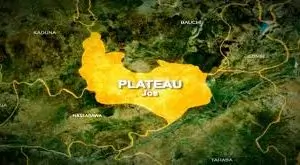
The political landscape of Plateau State is currently experiencing a significant upheaval, marked by a wave of resignations from the Peoples’ Democratic Party (PDP) by several commissioners and a local government chairman. This Plateau State political defection comes amidst widespread speculation regarding Governor Caleb Mutfwang’s own anticipated move to the All Progressives Congress (APC) in early 2026. The shift signals a potential realignment of power dynamics within the state, as key political figures position themselves for future influence and opportunities. The immediate impact on the PDP’s structure and morale is undeniable, setting the stage for an intriguing period in Nigerian sub-national politics.
Among the notable figures to tender their resignations are Hon. Bashir Lawandi Datti, the Commissioner for Water Resources and Energy, representing Jos North LGA. His decision, communicated in a formal letter to his ward chairman, cited careful consideration and wide consultations. This early departure highlights a trend of political actors making strategic moves ahead of their principals, often driven by personal convictions and aspirations for continued relevance in the evolving political climate.
What is political defection? Political defection in Nigeria refers to a situation where an elected official or party member switches allegiance from one political party to another, often driven by personal ambition, ideological differences, or strategic political calculations to gain advantage within the political system.
Similarly, Hon. Ibrahim Musa Ashoms, Commissioner for Youths and Sports Development from Jos East LGA, followed suit, effective December 29, 2025. His resignation, also based on personal grounds, underscores the individual agency at play in these political transitions. Such decisions, while personal, collectively contribute to a broader narrative of fluidity in Nigerian party politics, challenging the traditional notions of party loyalty vs political ambition.
Dr. Nicholas Baamlong, the Commissioner for Health, representing Qua’anpan LGA, also submitted his resignation, citing personal reasons. The uniformity in the stated reasons for these high-profile defections suggests a coordinated strategy or a shared understanding among these officials regarding their political futures. This pattern of resignation often precedes major political realignments, indicating a significant shift in the balance of power.
Further reinforcing this trend, the Executive Chairman of Jos North Local Government Council, John Christopher, along with several councillors, have also abandoned the PDP. These grassroots defections are particularly impactful, as they signify a loss of influence and structural support for the exiting party at the local level. Such moves are critical in understanding the intricacies of Plateau State politics for beginners, illustrating how changes at the top cascade downwards.
The motivations behind why do Nigerian politicians defect are multifaceted, often encompassing a blend of ideological alignment, pursuit of political opportunities, or dissatisfaction with internal party structures. The allure of being part of a potentially dominant party, especially one that might soon include the state governor, presents a compelling incentive for these political shifts. This dynamic is a constant feature in the broader Nigerian political party guide.
The implications for the PDP in Plateau State are profound, as the party faces a significant loss of key personnel and potential erosion of its support base. Conversely, the APC stands to gain considerable strength, not just in numbers but also in the experience and political capital brought by these new entrants. This ongoing Governor Mutfwang news is closely watched by political analysts and citizens alike, eager to see how the political landscape will settle.
This series of events forms a crucial Plateau political update, indicating a significant shake-up that could redefine the state’s political future. The strategic timing of these defections, ahead of the governor’s anticipated move, suggests a well-orchestrated plan to consolidate power and influence. The ongoing rivalry between PDP vs APC Nigeria is often characterized by such high-stakes maneuvers, especially in swing states like Plateau.
Looking ahead, these defections could significantly influence the Nigerian election forecast 2025, particularly concerning the dynamics within Plateau State. The ability of the PDP to regroup and the APC to integrate its new members will be critical determinants of future electoral success. Stakeholders are already beginning to formulate their Plateau State political strategies 2025, considering these seismic shifts.
The fluidity of party affiliations and the strategic calculations involved underscore the dynamic nature of Nigerian democracy. These movements are not merely symbolic but represent tangible shifts in political power and influence. The ultimate outcome of this Plateau State political defection will undoubtedly shape the state’s governance and political trajectory for years to come.







