


Breaking revelations have emerged concerning Pastor Chris Okafor allegations, as a former choir member has come forward with serious claims of sexual exploitation and coercion. This detailed account, shared publicly, describes an alleged secret relationship that led to multiple forced abortions, casting a significant shadow over the clergyman’s public image. The woman’s story highlights the profound vulnerabilities that can exist within religious hierarchies, where trust is often implicitly granted to figures of spiritual authority. These claims are not merely personal but raise broader questions about safeguarding and ethical conduct within religious institutions across Nigeria.
The former choir member recounts how the alleged relationship began under the guise of spiritual guidance. She claims Pastor Okafor singled her out during a church service, offering a prophecy that she initially received with an open heart, seeing no immediate red flags. This initial interaction, seemingly innocuous, then allegedly led to an invitation to his office, where the nature of their interactions began to shift, moving towards what she describes as inappropriate advances. The careful manipulation of a position of power is a recurring theme in such narratives.
According to her emotional testimony, the situation escalated significantly in 2015 when Pastor Okafor allegedly expressed romantic interest, despite being a married man. She claims this led to the initiation of a sexual relationship, which she alleges continued for several years. During this period, the woman asserts that she became pregnant multiple times, and each instance, she was pressured by the pastor to terminate the pregnancies. This pattern of alleged coercion resulted in her undergoing four abortions, a traumatic experience that she states caused her deep emotional and psychological scars that persist to this day.
What are the allegations against Pastor Chris Okafor? The allegations against Pastor Chris Okafor involve claims of sexual exploitation and coercion leading to four forced abortions, brought forth by a former choir member. She details a secret relationship that began under the guise of spiritual guidance, causing her profound emotional and psychological trauma.
The profound impact of such experiences extends far beyond the physical. Victims often grapple with immense emotional distress, guilt, shame, and a shattered sense of trust in figures they once held in high esteem. The psychological trauma associated with forced abortions, coupled with the betrayal by a spiritual leader, can lead to long-term mental health challenges, including depression, anxiety, and post-traumatic stress. Providing support for those affected by such incidents is crucial for their healing journey.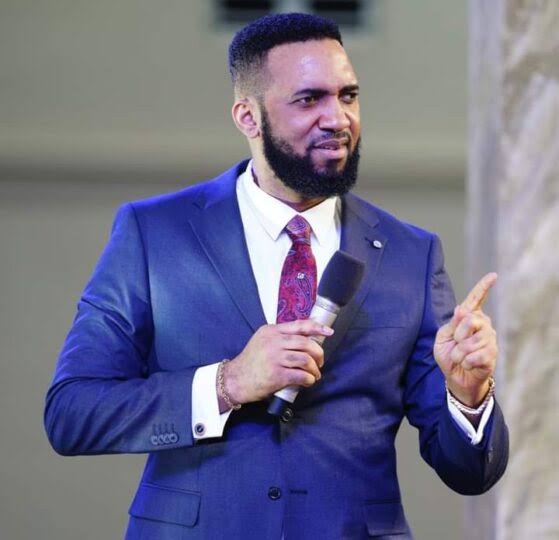
How to report church abuse in Nigeria is a question many victims and concerned individuals often face, highlighting the need for clearer, more accessible channels. While various legal and religious bodies exist, the process can be daunting, often compounded by cultural pressures, fear of reprisal, and a lack of awareness regarding proper procedures. Advocacy groups and non-governmental organizations are increasingly stepping in to bridge this gap, offering guidance and support to those brave enough to come forward.
The current unfolding events prompt a larger discussion comparing Pastor Chris Okafor vs other Nigerian pastors scandals. Regrettably, instances of alleged misconduct by religious leaders are not isolated, with several high-profile cases emerging over the years. This recurring pattern underscores a systemic challenge within some religious organizations concerning accountability, transparency, and the protection of congregants. Each new allegation serves as a stark reminder of the urgent need for robust internal mechanisms and external oversight.
Understanding sexual exploitation in churches explained requires acknowledging the unique power dynamics at play. The spiritual authority wielded by pastors can create an environment where congregants, particularly those seeking guidance or comfort, become susceptible to manipulation. This imbalance of power can be exploited, leading to situations where consent is compromised, and victims feel trapped or unable to speak out due to fear of spiritual condemnation or social ostracization.
For those seeking justice and resolution, staying informed with the Pastor Chris Okafor news update is essential. Public awareness and media scrutiny play a vital role in ensuring that such allegations are not swept under the rug. Continuous reporting helps to maintain pressure for thorough investigations and ensures that the conversation around accountability remains active. It also encourages more victims to find the courage to share their stories, knowing they are not alone.
Developing a pastoral misconduct guide for victims is a critical step towards empowering individuals and fostering safer church environments. Such a guide would outline steps for reporting, available support services, legal options, and resources for emotional healing. It would serve as a beacon of hope and practical assistance, helping victims navigate the complex aftermath of abuse and betrayal.
The ongoing debate around church accountability vs spiritual authority continues to be a central point of contention. While spiritual authority is fundamental to religious practice, it must be balanced with robust systems of accountability to prevent abuse and protect congregants. True spiritual leadership should prioritize the well-being and safety of its followers above all else, necessitating transparent governance and independent oversight.
Looking ahead, implementing church abuse prevention strategies 2025 is paramount for fostering healthier and safer religious communities. This includes mandatory ethics training for clergy, clear codes of conduct, independent reporting mechanisms, and comprehensive support systems for victims. Proactive measures, rather than reactive responses, are crucial to eradicating such misconduct.
Furthermore, the development and adoption of a religious leaders code of conduct 2025 could set new standards for ethical leadership across all denominations. Such a code would outline clear boundaries, responsibilities, and consequences for breaches of trust, ensuring that spiritual leaders are held to the highest moral and ethical standards. This would rebuild trust and safeguard the integrity of faith institutions.
The gravity of the Pastor Chris Okafor allegations underscores the urgent need for a societal and institutional reckoning regarding power, consent, and accountability within religious settings. As the story unfolds, it serves as a powerful reminder of the importance of listening to victims, demanding justice, and working towards creating environments where such exploitation can no longer thrive undetected and unchallenged.
Pastor Chris Okafor’s former choir member shares story of how she had 4 abort!0ns for him, how he promised her marriage several times and failed and how she finally had a child for him 😳🙆🏼♂️💔 pic.twitter.com/5vc9Nea5zg
— Oyindamola🙄 (@dammiedammie35) December 29, 2025
Rest of the video pic.twitter.com/3AJ661InT1
— Oyindamola🙄 (@dammiedammie35) December 29, 2025








