


US Transportation Secretary Sean P. Duffy initiated a campaign urging air travellers to adopt more decorous attire and behaviour, citing a decline in civility. The initiative, launched through a video advert, called for passengers to “dress with respect” and avoid sleepwear, aiming to restore a perceived “golden age” of air travel. However, the campaign has largely backfired, prompting a defiant response from many Americans who have embraced casual wear, including pyjamas, as a form of protest. This unexpected reaction highlights a significant disconnect between official expectations and contemporary passenger attitudes towards flying.
Duffy’s message, delivered against a backdrop of social media videos depicting unruly passenger incidents—ranging from bare feet on seats to in-flight altercations—emphasised a return to manners. He questioned whether passengers were assisting others or dressing appropriately, explicitly discouraging slippers and pyjamas at airports. This push for a more formal dress code was presented as a potential catalyst for improved conduct, suggesting a direct link between appearance and civility in the travel environment.
The campaign implicitly evokes an era from the 1950s and 60s when air travel was a luxurious affair, demanding formal attire like pillbox hats and blazers. Yet, instead of inspiring a return to such sartorial standards, Duffy’s remarks provoked a wave of online defiance. Social media users openly declared intentions to wear sleepwear to airports, underscoring a widespread rejection of mandated dress codes and a preference for comfort that has become synonymous with modern air travel.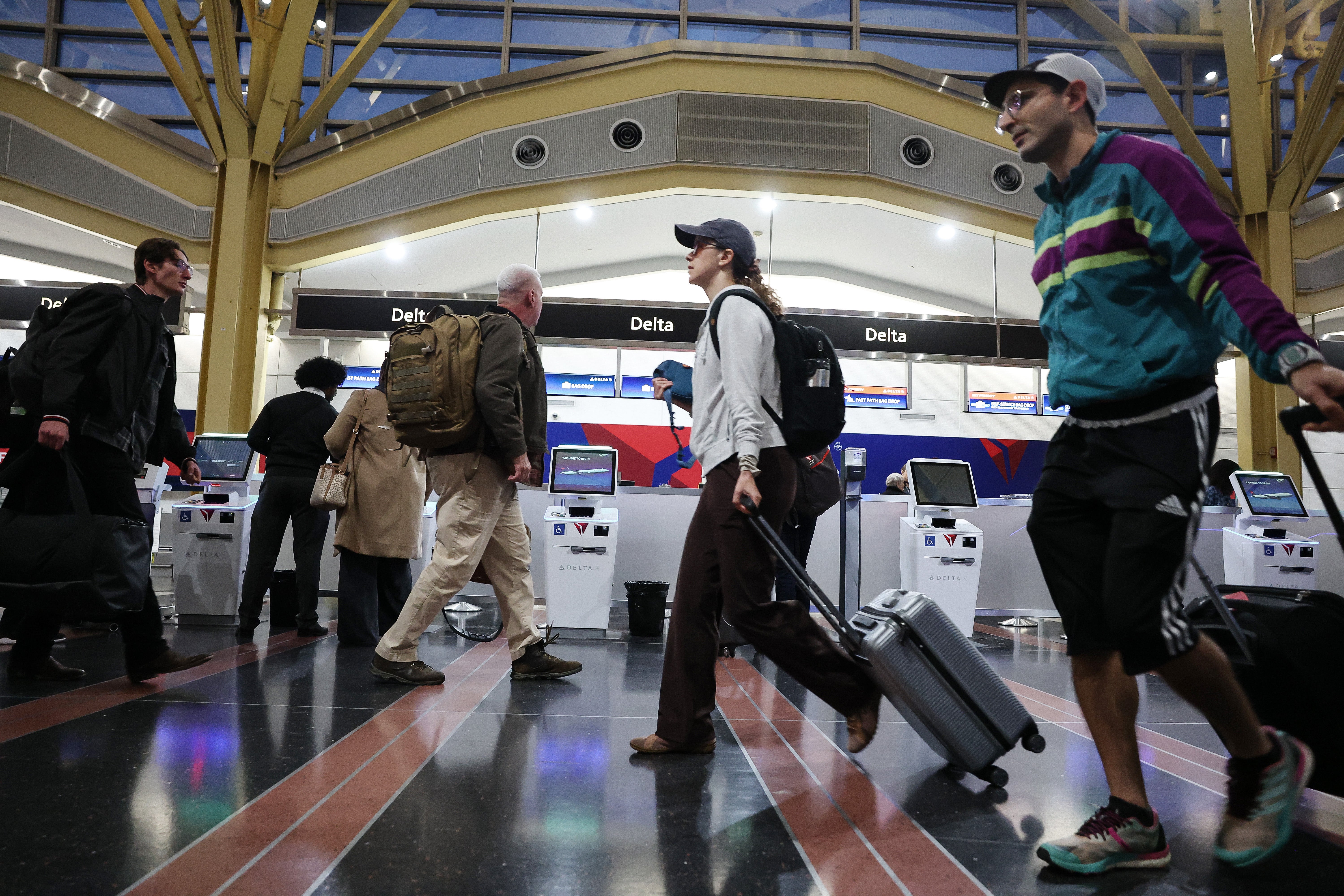
Fashion psychologist Dr. Dion Terrelonge explains that the perceived value of air travel has diminished due to its increased accessibility and affordability. She argues that what was once a rare and special occasion, for which people would dress up, has become commonplace, leading to a loss of novelty. “The fact you can now travel to mainland Europe for less than the price of a new pair of boots tells you a lot,” Terrelonge states, linking low cost to a reduced sense of occasion and, consequently, more casual attire.
The advent of budget airlines in the 1970s dramatically transformed the industry, making air travel accessible to the masses. This shift, coupled with a general decline in the in-flight experience—including reduced legroom, less elaborate meal services, and functional rather than luxurious interiors—has further eroded the idea of flying as a premium event. Passengers often compare modern flights to “flying coach,” suggesting that if they are treated like cattle, they are more inclined to act accordingly, leading to less formal behaviour and dress.
The issue of passenger decorum extends beyond attire, evidenced by a significant rise in unruly incidents. The US Federal Aviation Administration reported nearly 14,000 “unruly passenger incidents” over the past four years, while the UK’s Civil Aviation Authority regularly receives “harrowing letters” detailing “drunk and disruptive behaviour in-flight,” often termed “air rage.” These statistics highlight a genuine problem of misconduct, prompting the debate over whether superficial changes like dress codes can effectively address deeper behavioural issues.
Personal stylist Manisha Sabharwal, who dresses high-net-worth businesswomen, contends that the debate over formal attire misses the mark in 2025. She argues that the new travel dress code prioritises “elevated casual” and comfort, recognising the psychological impact of making an effort without being “try-hard.” Sabharwal suggests that while pyjamas are still inappropriate, the focus has shifted to structured matching sets, cashmere ensembles, and designer accessories, allowing for both comfort and sophistication.
Sabharwal elaborates on this evolving aesthetic, noting that younger travellers might opt for cashmere sets paired with full makeup and Uggs, while women in their 40s might choose more tailored, close-fitting matching sets accessorised with elegant earrings and luxury handbags. The underlying principle remains comfort, which passengers are unwilling to compromise. This modern approach to airport fashion firmly places the formal, buttoned-up attire of the “Golden Age” in the past, reflecting a practical yet stylish adaptation to contemporary travel realities.
Ultimately, the campaign by Secretary Duffy underscores a fundamental misunderstanding of how air travel and fashion have evolved. While the desire for civility is understandable, imposing outdated dress codes fails to address the underlying factors contributing to passenger behaviour. The modern traveller, influenced by budget airlines and a demand for comfort, has redefined airport chic. This new paradigm values practicality and elevated casual wear, rejecting the notion that formal attire is a prerequisite for respectful conduct in the skies.








