


Crucial high-level discussions are set to take place in the United States this Sunday, as Ukrainian President Volodymyr Zelensky prepares to meet with former US President Donald Trump. These talks represent a significant attempt to broker a lasting peace agreement, aiming to conclude the nearly four-year conflict between Ukraine and Russia. Despite optimism from some quarters, a revised 20-point peace plan faces considerable obstacles, primarily Russia’s steadfast refusal to relinquish occupied territories and its skepticism towards proposed security mechanisms.
The upcoming meeting follows months of intricate diplomatic exchanges involving Kyiv, Washington, Moscow, and Brussels, all striving to find a pathway to de-escalation. Before Christmas, Mr. Trump expressed confidence, stating, “I think we’re closer now than we have been, ever,” regarding a potential agreement. Ukrainian President Zelensky recently emerged from talks in Berlin with European allies, outlining a framework for security guarantees he deems essential for ending hostilities, suggesting the plan is “90 per cent complete.”
A pivotal concession from Kyiv involves Ukraine’s willingness to abandon its long-held aspirations for NATO membership. This offer, made during intensive discussions with US negotiators in December, signals Ukraine’s good faith in seeking a resolution. Analysts suggest this move aims to contrast Ukraine’s flexibility with Moscow’s rigid position. In return for this significant shift, Washington has reportedly offered Ukraine security safeguards modeled on NATO’s Article 5 collective defense clause, a development hailed by Kyiv as an unprecedented victory.
The precise nature of these “NATO-style” guarantees remains somewhat ambiguous, though US officials described them as the “platinum standard.” However, the Kremlin has consistently rejected the notion of accepting what it terms “NATO peacekeepers” within Ukraine under any circumstances, complicating the implementation of such a security framework. Both Ukraine and its European partners maintain that robust security assurances must precede any discussions concerning territorial adjustments.
The most intractable issue continues to be the question of territory. Ukraine’s constitution prohibits the relinquishment of any land, and President Zelensky has unequivocally stated his inability and unwillingness to cede areas demanded by Russia. Moscow, through its Deputy Foreign Minister Sergey Ryabkov, has previously declared its unwillingness to make concessions on regions like Donbas, Crimea, or “Novorossiya,” an imperial designation for land north of the Black Sea. This fundamental disagreement forms the core barrier to a comprehensive peace deal.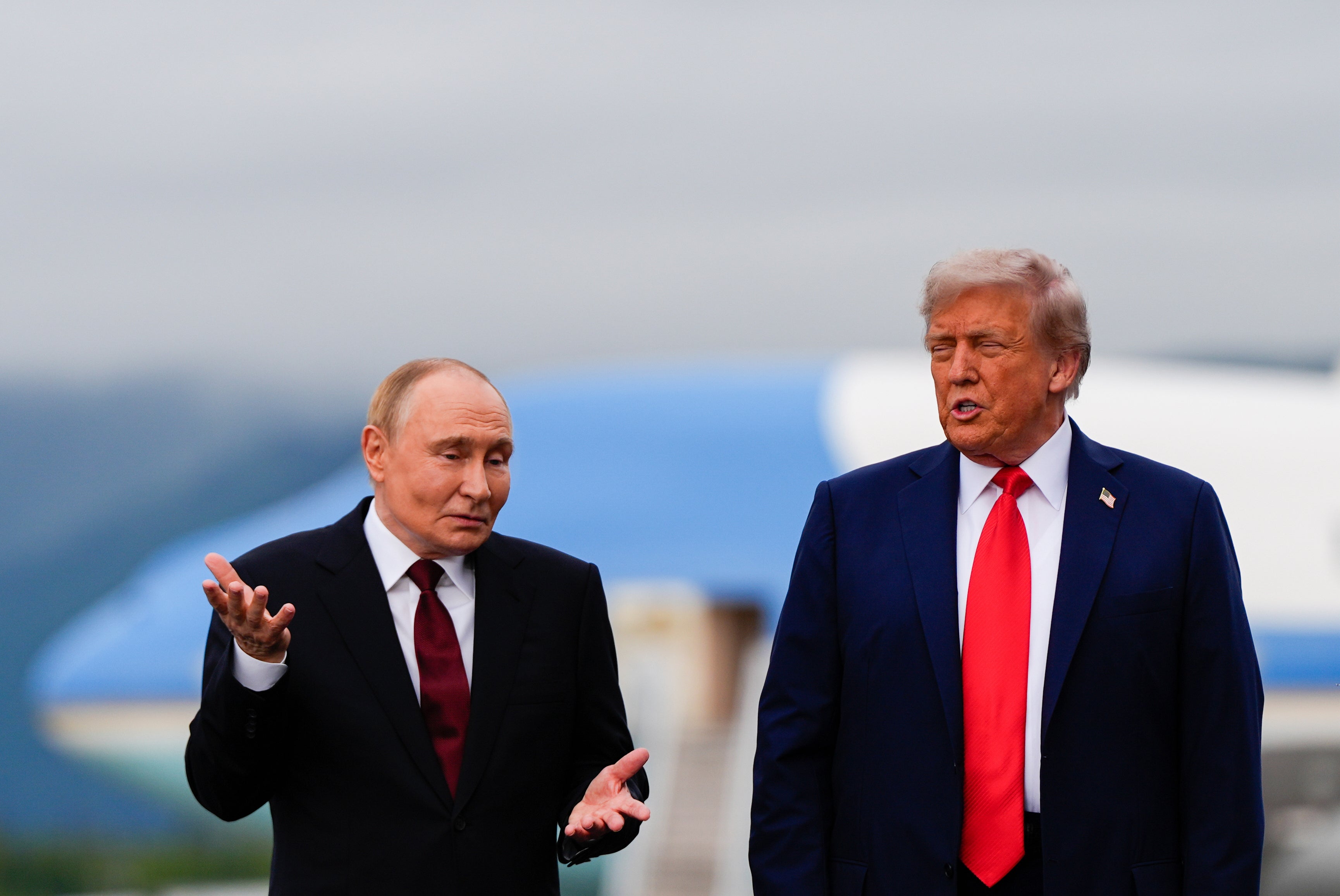
Despite the entrenched positions, the US delegation expresses guarded optimism regarding potential movement on territorial issues. Following earlier talks, an American official indicated that their side still felt “really good about the progress that we’ve made, including on territories.” These discussions reportedly yielded “thought-provoking ideas” that President Zelensky is expected to present to his team, hinting at creative solutions being explored behind the scenes to bridge the significant divide.
Beyond security and territory, other facets of a potential agreement include Ukraine’s future integration with the European Union. US officials suggested before Christmas that Russia might accept Ukraine’s eventual EU membership as part of a peace accord. While a senior source mentioned a timeline as early as January 2027, diplomats in Brussels view this as “unrealistic,” though the bloc would generally support the move, with Estonian Prime Minister Kaja Kallas calling EU membership a “major security guarantee” in itself.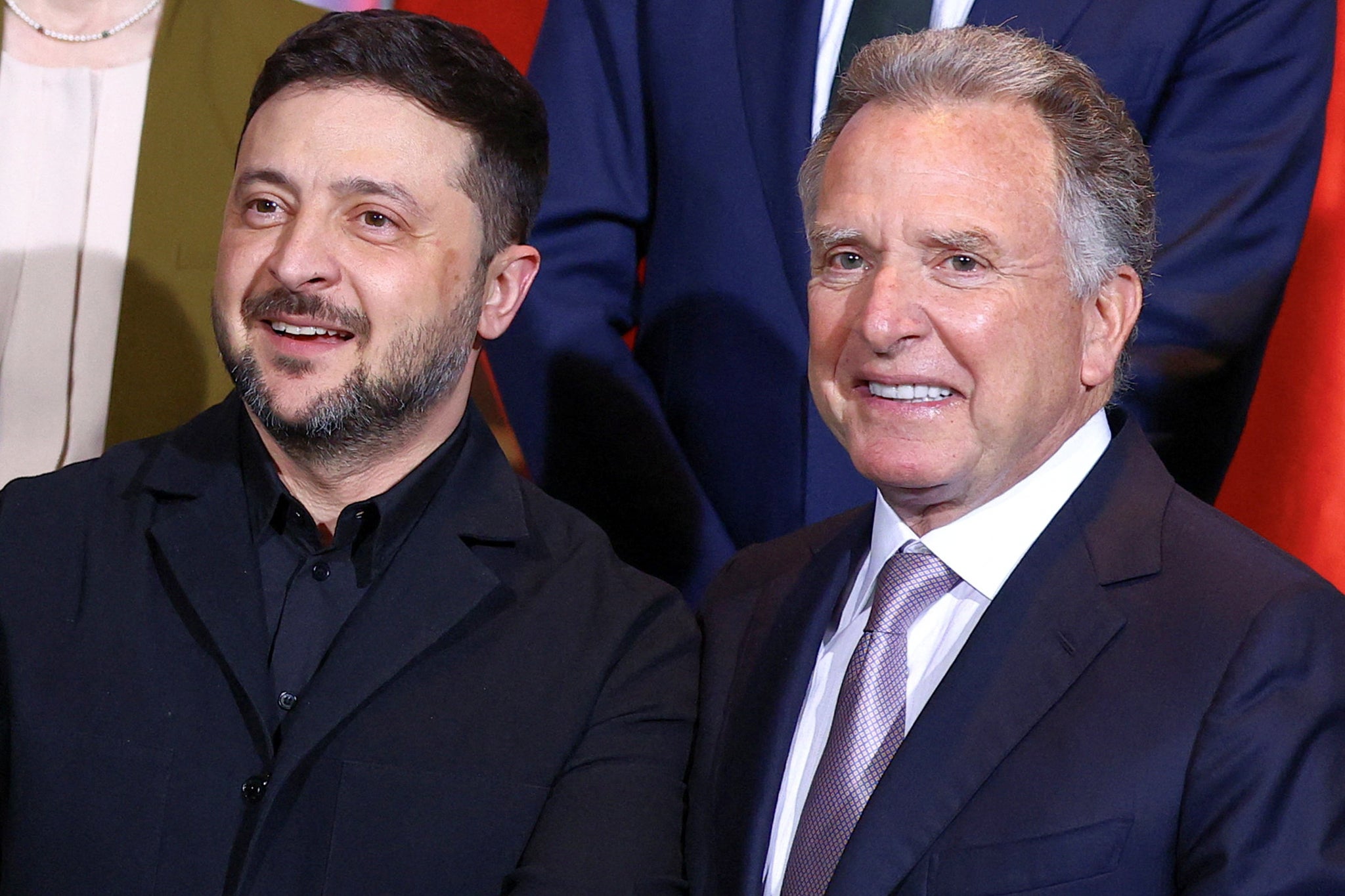
The revised 20-point plan also reportedly addresses the contentious issue of the Zaporizhzhia nuclear power plant, Europe’s largest, which Russia has occupied since the early stages of the conflict. Following the Berlin talks, a US official noted that an agreement on sharing the power produced at the plant was close, though the practical implementation details of such an arrangement are yet to be clarified. This element underscores the complexity and breadth of the issues being negotiated.






