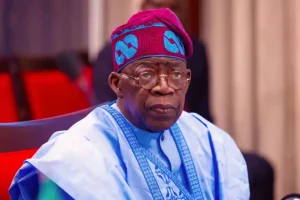
Opposition parties in Nigeria, the African Democratic Congress (ADC) and the Peoples Democratic Party (PDP), have strongly criticised President Bola Ahmed Tinubu’s administration following recent airstrikes by the US Africa Command (AFRICOM) in Sokoto State. The criticisms centre on concerns over national sovereignty, the perceived competence of the government in security matters, and significant communication lapses regarding the foreign military operation.
The ADC, through its National Publicity Secretary Bolaji Abdullahi, described the airstrikes as a stark illustration of President Tinubu’s alleged incompetence in governance. While affirming support for all lawful measures to protect Nigerian lives and combat terrorism, the party questioned the precise nature of Nigeria’s involvement, arguing the nation should not be relegated to “mere informants” in an operation it should lead.
Abdullahi issued a warning against conflating genuine international collaboration with what the party termed a “myopic surrender” of national autonomy. The ADC reiterated its long-standing opposition to the physical presence and operational deployment of foreign military forces on Nigerian soil, stressing that current security challenges must not compromise the country’s sovereignty in any form or guise.
The party acknowledged the AFRICOM airstrikes on “terrorist locations” in Sokoto as a desperate measure, but one only justifiable within the context of the current administration’s “historic incompetence” in addressing the nation’s severe security challenges. This criticism implied that the government’s priority on revenue collection had led to national security and diplomacy being treated as afterthoughts.
Furthermore, the ADC expressed concern over the persistent framing of the war against terror in religious terms by the United States. The party argued that such a narrative ultimately endangers Nigeria’s national unity, highlighting a sensitive aspect of the counter-terrorism discourse that could exacerbate internal divisions.
Separately, the Peoples Democratic Party (PDP) directed its criticism at the federal government’s communication strategy. Its National Publicity Secretary, Ini Ememobong, pointed out that Nigerians were reportedly first informed of the American strikes through the verified social media pages of US officials, predating any official Nigerian government announcement.
Ememobong highlighted that the Nigerian Ministry of Foreign Affairs issued only a “vague statement” many hours later, offering a passive confirmation of the Nigerian government’s knowledge and cooperation in the operation. This sequence of events, according to the PDP, raised serious questions about the government’s transparency and its capacity to manage critical security information.
The PDP spokesperson argued that this “inverted communication approach” does not serve the federal government or Nigerians effectively, especially given past reports of the US military operating in Nigeria without explicit government permission or knowledge. The party contended that the Nigerian government should have been the primary source of information to properly sensitize the populace, rather than reacting to news already in public circulation.
The opposition emphasized that while international cooperation in combating terrorism is valuable, the government must ensure it maintains control over its narrative and informs its citizens proactively. They stressed the importance of a robust, independent national security strategy that prioritizes Nigerian leadership and clear communication with its populace.
These reactions from major opposition parties underscore a deepening political scrutiny of President Tinubu’s handling of national security. The debate extends beyond the immediate operational details of the airstrikes, touching upon fundamental questions of sovereignty, governmental accountability, and the strategic direction of Nigeria’s fight against insurgency.
Keywords: Sokoto Airstrikes, Nigerian Opposition, President Bola Tinubu, National Sovereignty Nigeria, AFRICOM operations, Nigeria security challenges, Government communication, War on terror Nigeria