


A hypothetical second administration led by former President Donald Trump has been marked by a series of unprecedented and controversial actions, echoing a strategy once described by former adviser Steve Bannon as “flooding the zone.” These rapid-fire policy shifts and provocative statements, occurring within the first year of a potential 2025 presidency, have reportedly aimed to overwhelm critics and reshape federal governance. The contentious measures have spanned purges of independent oversight, audacious foreign policy proposals, and direct targeting of political adversaries.
Just days into this prospective second term, the administration reportedly initiated a widespread “Friday-night massacre” of independent Inspectors General (IGs) across numerous federal agencies. These officials, tasked with investigating waste, fraud, and abuse, were allegedly removed without prior congressional notification, a move that critics contend violated a longstanding law requiring a 30-day notice period. This swift action left only the IGs at the Departments of Justice and Homeland Security in their roles.
The extensive purge affected Senate-confirmed watchdogs at critical departments including Defense, State, Treasury, and Health and Human Services, among others, as well as several independent agencies. Speaking aboard Air Force One, former President Trump reportedly defended the removals as “very standard,” suggesting some IGs were “unfair” or not performing adequately. This move, reminiscent of similar actions during his first term, was widely interpreted as an effort to diminish independent oversight and install loyalists within key federal positions.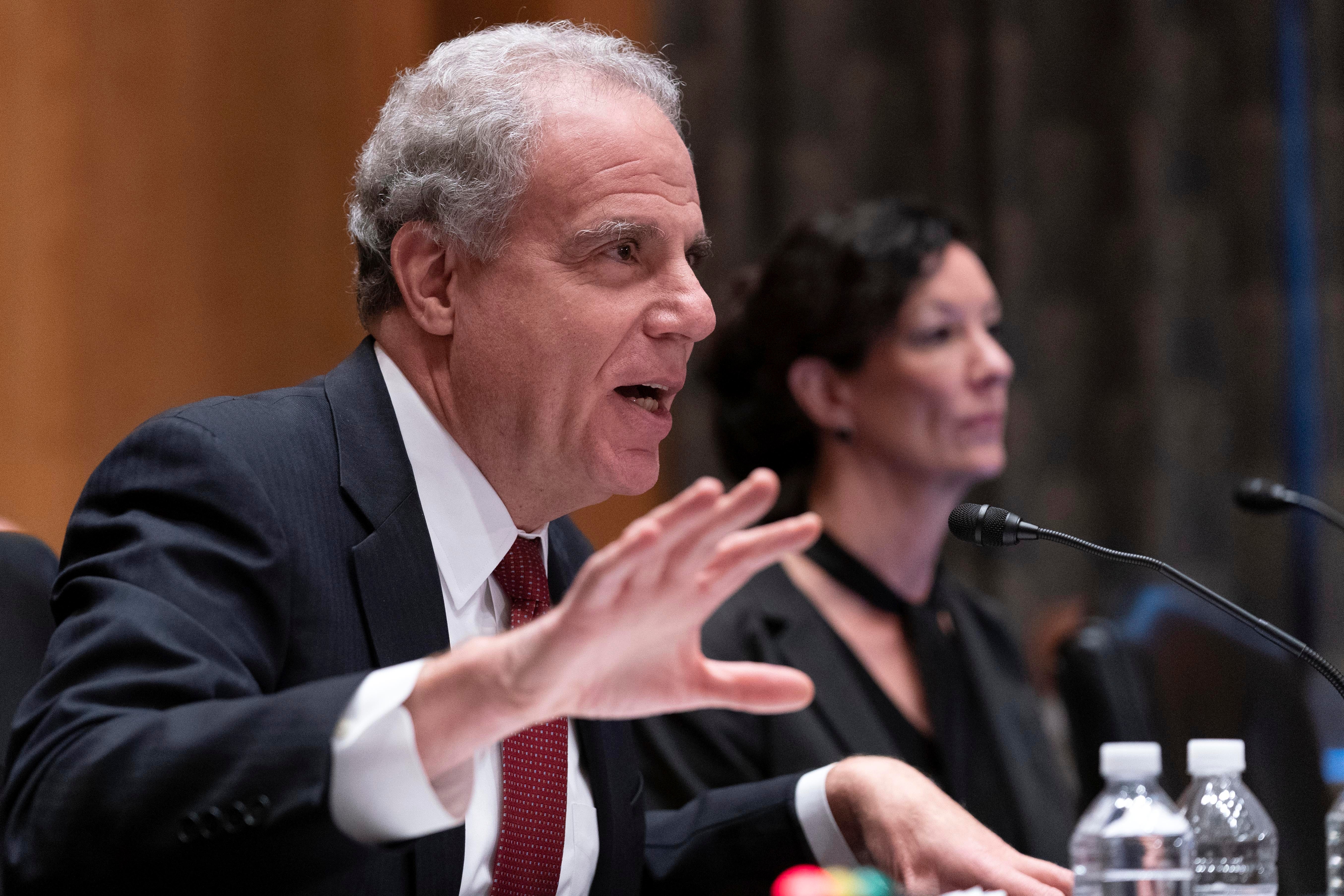
Less than a month into this hypothetical tenure, former President Trump reportedly advanced a startling proposal for the Gaza Strip during a visit from Israeli Prime Minister Benjamin Netanyahu. Amid ongoing regional tensions and a recent, albeit collapsed, ceasefire agreement between Israel and Hamas, Trump suggested the United States would “take over” the war-torn territory. His vision included displacing its 2.1 million Palestinian residents and transforming Gaza into a “Riviera of the Middle East.”
This audacious plan, presented during a press conference following bilateral discussions, immediately drew widespread international condemnation. Saudi Arabia unequivocally rejected any forced displacement of Palestinians, while Hamas dismissed the concept as “ridiculous and absurd.” The White House reportedly walked back the proposal within a day, and subsequent diplomatic efforts involving Egypt, Qatar, and other regional powers eventually led to a new ceasefire agreement, effectively superseding Trump’s short-lived initiative.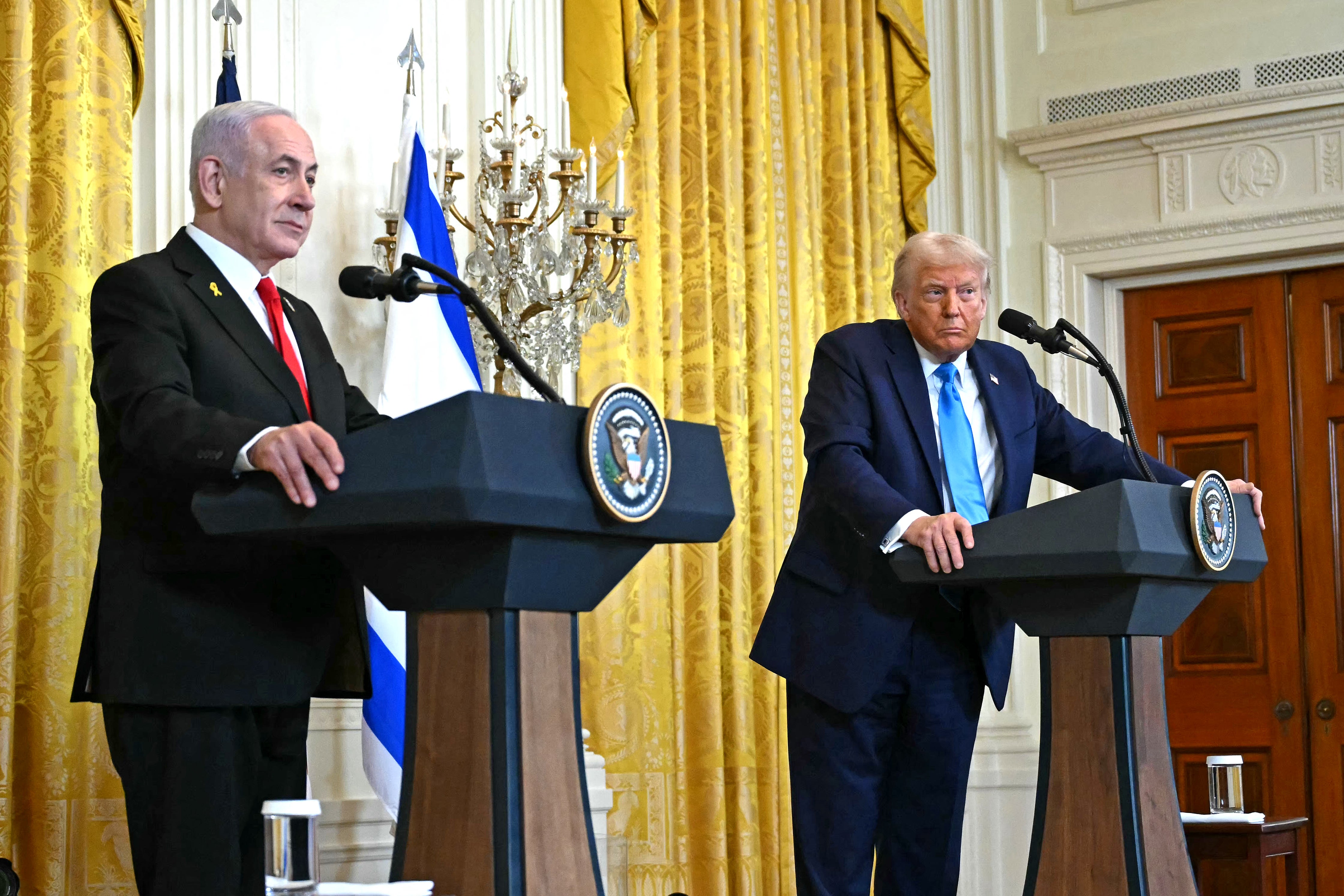
In an unprecedented application of executive power, former President Trump reportedly directed the Department of Justice to investigate two prominent critics from his initial administration. Miles Taylor, a former Homeland Security chief of staff who anonymously authored a critical New York Times op-ed and book, and Chris Krebs, the former Cybersecurity and Infrastructure Security Agency head who affirmed the integrity of the 2020 election, were singled out. The orders sought to strip their security clearances and investigate any potential wrongdoing.
White House Staff Secretary Will Scharf publicly stated that Taylor’s clearance was revoked due to “past activities involving classified information,” despite no specific allegations of classified material in his writings. The directive against Krebs extended to his employer, SentinelOne, by threatening the security clearances of individuals associated with the firm. Eight months on, neither Taylor nor Krebs has faced criminal charges, though the administration has reportedly continued to pursue legal action against other perceived adversaries, including former FBI Director James Comey and New York Attorney General Letitia James, often encountering judicial roadblocks.
Further challenging established democratic norms, former President Trump reportedly used social media to assert a perceived immunity from legal constraints. In February of the hypothetical 2025 term, he posted a quote attributed to Napoleon Bonaparte: “He who saves his Country does not violate any Law.” This statement emerged amidst numerous federal court challenges to his executive actions, including efforts to redefine the 14th Amendment and cut federal funding.
Days later, Trump intensified this rhetoric, declaring himself “king” of New York City on social media, following a Department of Transportation directive to withhold federal funds unless the city abandoned its congestion pricing plan. The White House’s official X account amplified this message, sharing a mock Time magazine cover depicting the president with a crown. New York’s Metropolitan Transportation Authority subsequently sued federal officials, arguing the administration’s actions were politically motivated and unlawful, with federal judges moving to block the fund withholding.
These actions collectively illustrate a hypothetical administration’s aggressive approach to governance, characterized by direct challenges to federal oversight, independent institutions, and established legal processes. The consistent deployment of controversial policies and statements, aligned with the “flood the zone” strategy, underscores a significant departure from conventional presidential conduct, prompting ongoing legal and political scrutiny.






