The fragile ceasefire agreement in the Gaza Strip, initiated on October 10 as part of a broader peace proposal, appears to be collapsing amidst escalating violence and a deepening humanitarian crisis. Despite former President Donald Trump’s initial pronouncements of a new era for Middle East peace, the reality on the ground reflects a stark contrast, with hundreds of fatalities reported and critical stages of the peace plan stalled indefinitely. Both Israeli and Palestinian authorities accuse each other of significant violations, undermining any prospect of de-escalation or progress.
Since the ceasefire’s implementation, the Palestinian health ministry reports that over 400 individuals in Gaza have died in Israeli strikes. Concurrently, Israel has accused Hamas of breaching the agreement, citing instances such as improvised explosive device (IED) attacks targeting its soldiers. This cycle of accusations and retaliatory actions has prevented the establishment of any meaningful stability, leaving the initial phase of the proposed peace deal in jeopardy even before subsequent negotiations could commence.
The humanitarian situation within Gaza has deteriorated severely, with the United Nations confirming the death of a two-week-old Palestinian infant from hypothermia in Khan Younis, marking what it describes as the first such fatality. The Palestinian health ministry further indicates that extreme cold has now claimed the lives of over a dozen people as winter conditions intensify. More than 90 percent of Gaza’s 2.3 million residents remain displaced, largely living in makeshift tents vulnerable to flooding and freezing temperatures, exacerbating an already dire public health emergency.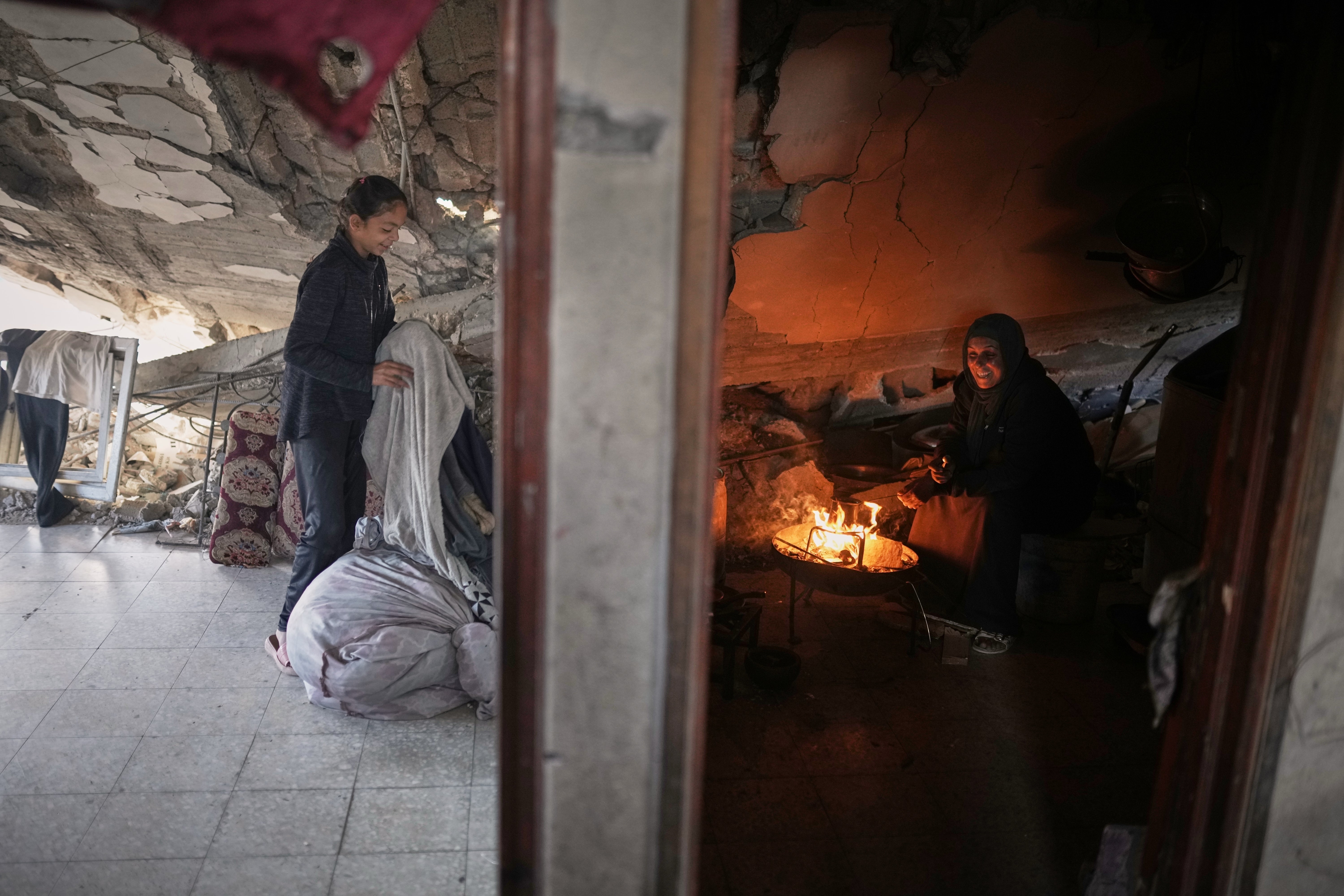
Despite a global hunger monitor’s assessment that Gaza is no longer technically experiencing famine due to increased aid deliveries, humanitarian organizations assert that the current level of assistance remains woefully inadequate to meet the overwhelming needs of the population. The broader peace initiative, heralded by former President Trump, now stands at a critical juncture, with its initial phase faltering amid mutual recriminations, effectively precluding any substantive discussions on the more complex second stage.
The second phase of the Trump plan envisioned significant steps, including the deployment of an international security force, the establishment of an internationally supervised technocratic governing body for Gaza, the disarmament of Hamas militants, and further Israeli troop withdrawals. These ambitious goals were to be overseen by a “Board of Peace” chaired by former President Trump. However, concrete progress remains elusive, with reports indicating no tangible outcomes from a recent meeting in Miami involving senior officials from Qatar, Egypt, and Turkey, which was intended to review the plan’s implementation.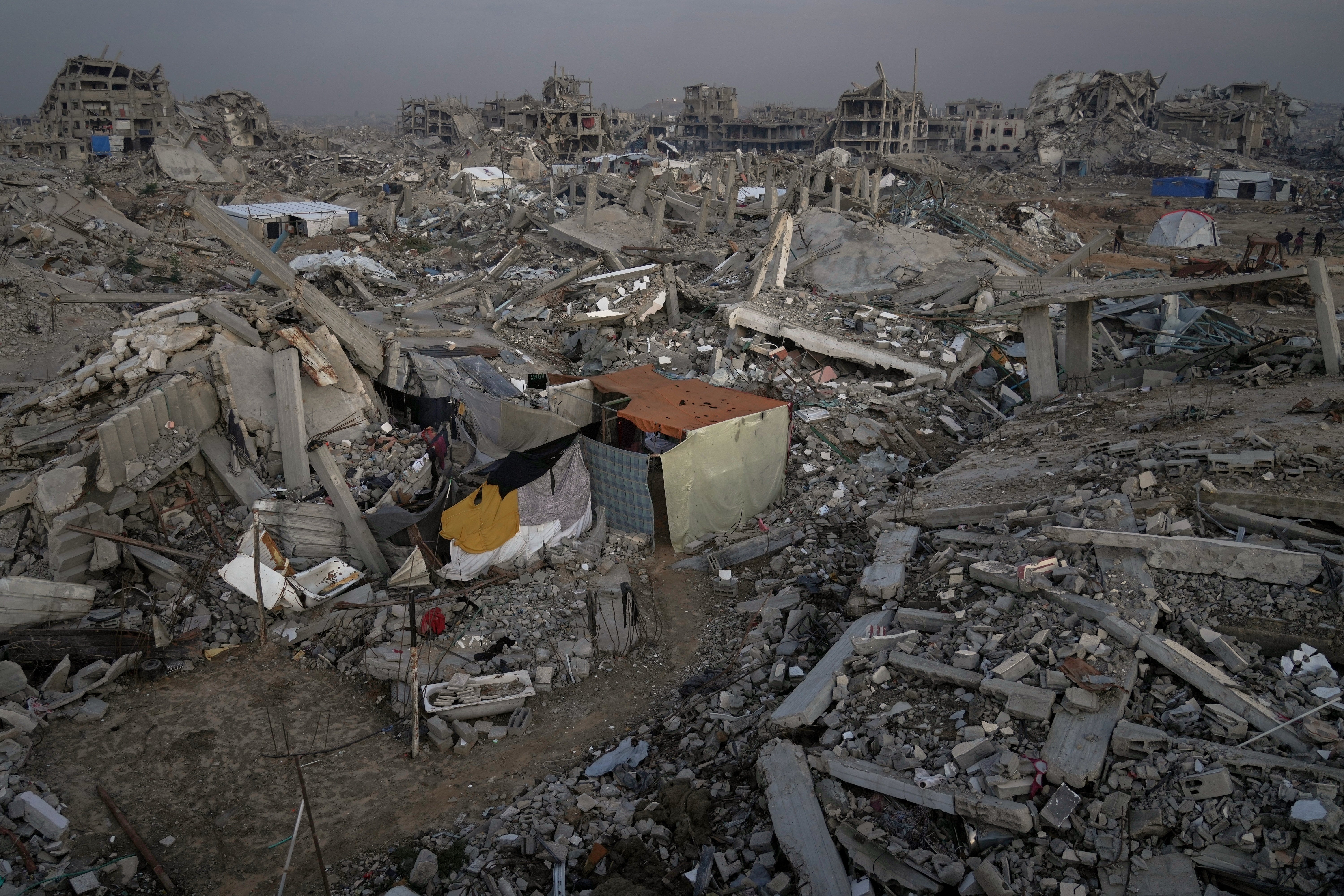
Concerns also persist regarding the composition and efficacy of the proposed oversight mechanisms. While former UK Prime Minister Tony Blair was initially considered a key participant for the “Board of Peace,” he has reportedly been ruled out. Other names, such as Egyptian real estate billionaire Naguib Sawiris, have surfaced, raising questions about the priorities guiding these institutions. Moreover, a proposed joint international command centre, reportedly based in an Israeli warehouse and intended to monitor the ceasefire and aid flows, is described by sources as an “embarrassment,” having failed to facilitate any movement or progress.
Furthermore, the peace proposal’s narrow scope has drawn criticism, as it primarily addresses temporary “day after” structures for Gaza without tackling fundamental, generation-long issues such as Palestinian self-determination, accountability, and justice. Notably, the plan omits any mention of the West Bank, which, since the October 7 attacks two years ago, has experienced its bloodiest period since Israel occupied the territory in 1967, according to human rights organizations. This omission underscores significant gaps in a comprehensive approach to regional peace.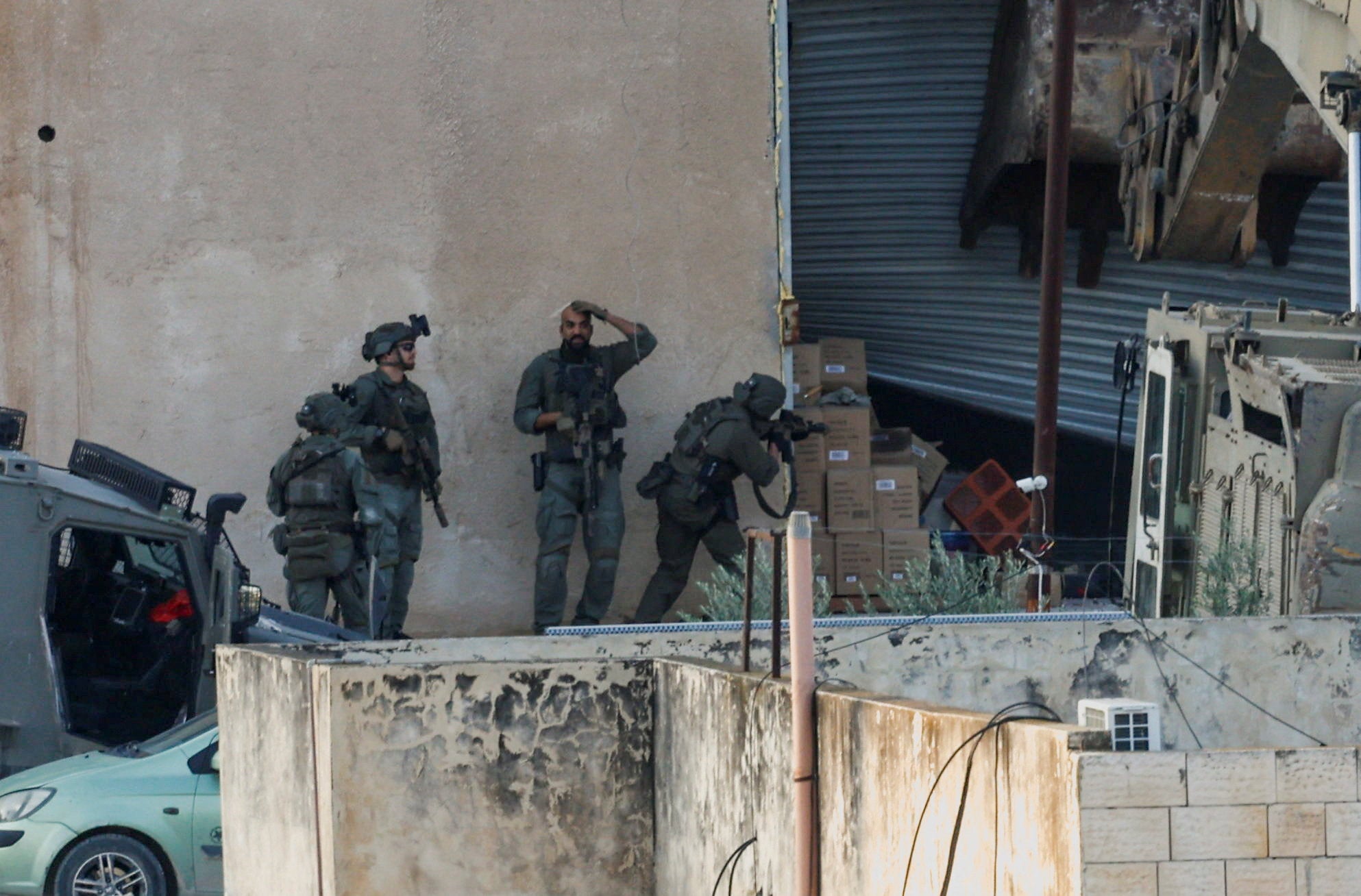
Underlying motives and actions by all parties further complicate prospects for peace. Diplomatic and humanitarian sources express apprehension that Israel is establishing a permanent buffer zone several kilometres deep into Gaza, continuing to raze neighbourhoods and maintain a substantial ground presence. Israeli Defence Minister Israel Katz recently stated that the Israeli military would never entirely withdraw from Gaza, mentioning plans to station Nahal units, which have historical links to establishing Israeli communities, including settlements deemed illegal under international law. While Katz later sought to distance himself from these remarks, stating Israel has no interest in developing settlements in Gaza, Hamas has condemned the comments as a clear violation of the ceasefire.
There are also concerns that an international, Palestinian-led administration for Gaza’s transition is being sidelined in favour of a reconstituted version of Cogat, the Israeli military unit responsible for coordinating civilian affairs with Palestinians. Israel consistently denies any nefarious intentions, refuting accusations of ceasefire violations, intentional crimes, or responsibility for genocide in Gaza, as alleged by a UN commission of inquiry.
Concurrently, Israel voices its own apprehensions that Hamas shows no inclination towards disarmament or disbandment. Meanwhile, violence continues to surge in the occupied West Bank, marked by expanding settlements and ongoing displacement of Palestinians by Israelis. The current 20-point PDF document appears insufficient to resolve the intricate complexities of this enduring conflict, especially as violence persists, crucial issues like Palestinian self-determination remain unaddressed, and key elements of its early phases are disregarded. A concerted, immediate, and serious joint effort is imperative to establish and maintain a genuine and meaningful ceasefire, paving the way for a protracted journey towards true peace and justice in the region.