


Historic and long-standing restaurants across the United States are succumbing to a relentless surge in operating costs, forcing many beloved establishments to close their doors permanently. This wave of closures highlights the severe financial pressures confronting the nation’s culinary landscape, where escalating expenses for food, labor, and rent are eroding already thin profit margins. Industry experts warn that the trend may continue, threatening the fabric of local communities and the unique character these businesses provide.
One prominent casualty is Las Palmas, a cherished Miami lunch spot that ceased operations last month after 45 years. Owner Mario Magalhaes attributed the closure to a confluence of factors, including a 30 percent loss of clientele post-COVID-19 due to remote work shifts. However, the insurmountable challenge proved to be the dramatic increase in food costs, which Magalhaes described as the “final nail in the coffin” for the unpretentious neighborhood diner.
Magalhaes recounted staggering price hikes for essential ingredients, noting that a box of 15 dozen eggs, which once cost $20, soared to $132 just three months prior to closure. He observed that wholesale prices often surpassed those of retail outlets, making it impossible for Las Palmas to maintain its affordable, community-focused ethos. This refusal to drastically increase menu prices, coupled with relentless supplier costs, rendered the 33-seat diner unsustainable despite efforts to innovate with community events.
The struggles of Las Palmas reflect a broader national trend impacting the restaurant sector. Data from the National Restaurant Association reveals that food costs have escalated by 38 percent and labor costs by 35 percent since the onset of the pandemic. These significant increases, alongside rising insurance premiums, taxes, and credit card processing fees, have collectively squeezed profit margins across the industry.
Dr. Chad Moutray, chief economist at the National Restaurant Association, indicated that the median profit margin for full-service restaurants has plummeted to 2.8 percent in 2024. This represents a notable decline from the 4 percent margin recorded just five years ago in 2019, illustrating the severe profit squeeze faced by operators. While new restaurant openings still outpace closures overall, the current economic climate presents unprecedented challenges for many existing establishments.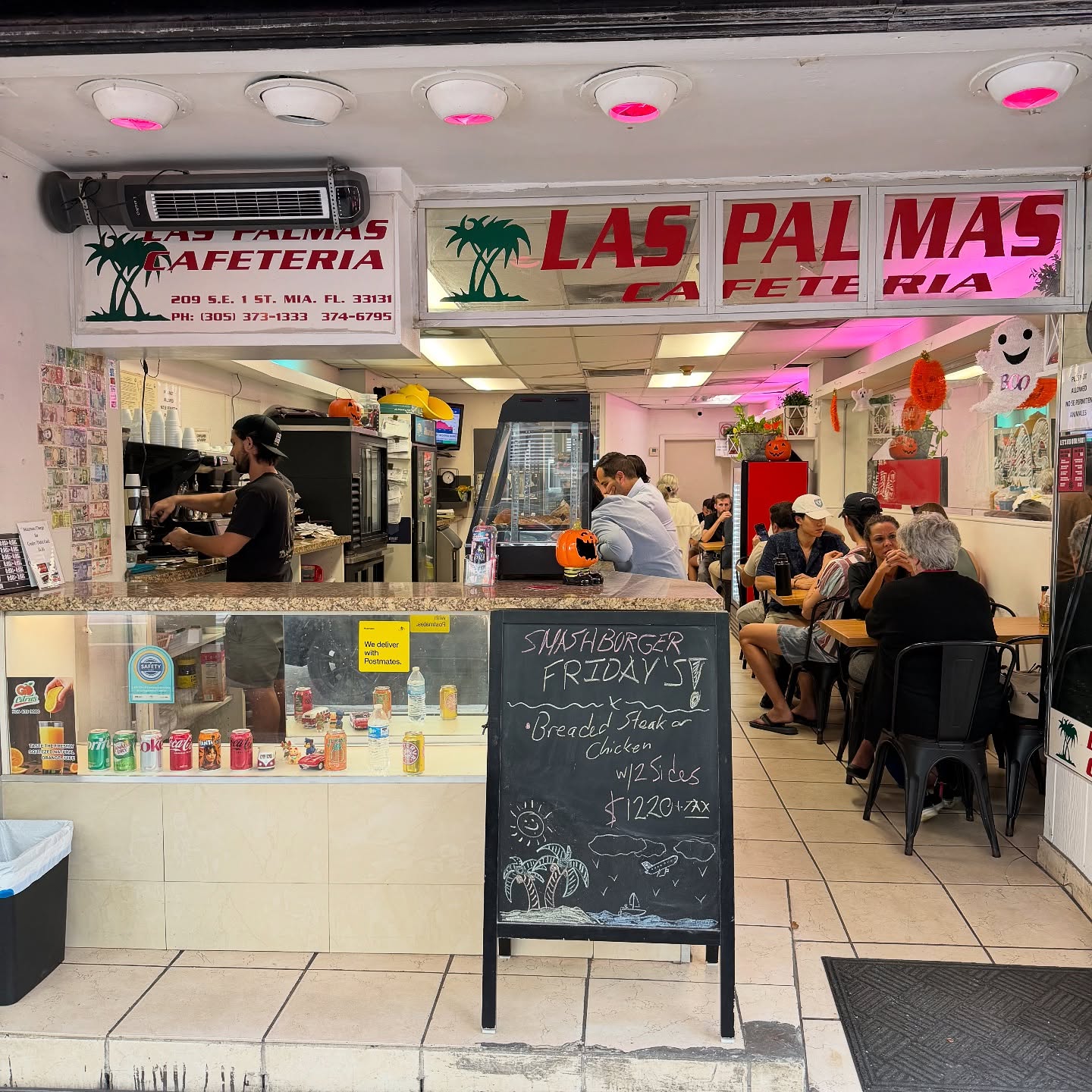
The difficult environment extends beyond Miami, with similar stories emerging nationwide. Osteria 545 in Paulsboro, New Jersey, announced its closure after five years, citing fewer diners and sharp increases in the cost of food, liquor, and electricity. Owners lamented that these rising expenses far outpaced what small, independent restaurants could absorb, making their decision “heartbreaking and necessary.” In Murfreesboro, Tennessee, the 124-year-old City Cafe also shut down, with its owners stating, “this economy has literally broke us.”
Aggressive rent hikes constitute another critical factor driving closures, particularly in burgeoning urban areas. Dallas mainstay The Meddlesome Moth, a popular restaurant for 15 years, closed its doors after its new landlord demanded a 40 percent rent increase. Owner Shannon Wynne criticized developers in Dallas’ Design District for prioritizing “high-end” establishments over those offering value and creativity, effectively pushing out long-standing, community-contributing businesses.
Wynne highlighted the inherent difficulty for restaurants focused on value, flavor, and creativity to sustain operations when facing such drastic overhead increases. He asserted that The Meddlesome Moth was unwilling to compromise its concept to accommodate what he termed the “portfolio aggression” of landlords. This trend suggests a broader market shift, where some areas are becoming less hospitable to approachable, independent dining establishments.
Dr. Moutray acknowledged that restaurants catering to more affluent consumers continue to perform relatively well, as those with disposable income maintain spending habits. However, he emphasized that the vast majority of restaurants aim to deliver quality service to a broader clientele, making them particularly vulnerable to the current cost pressures. The divide illustrates a challenging landscape for mid-range and casual dining.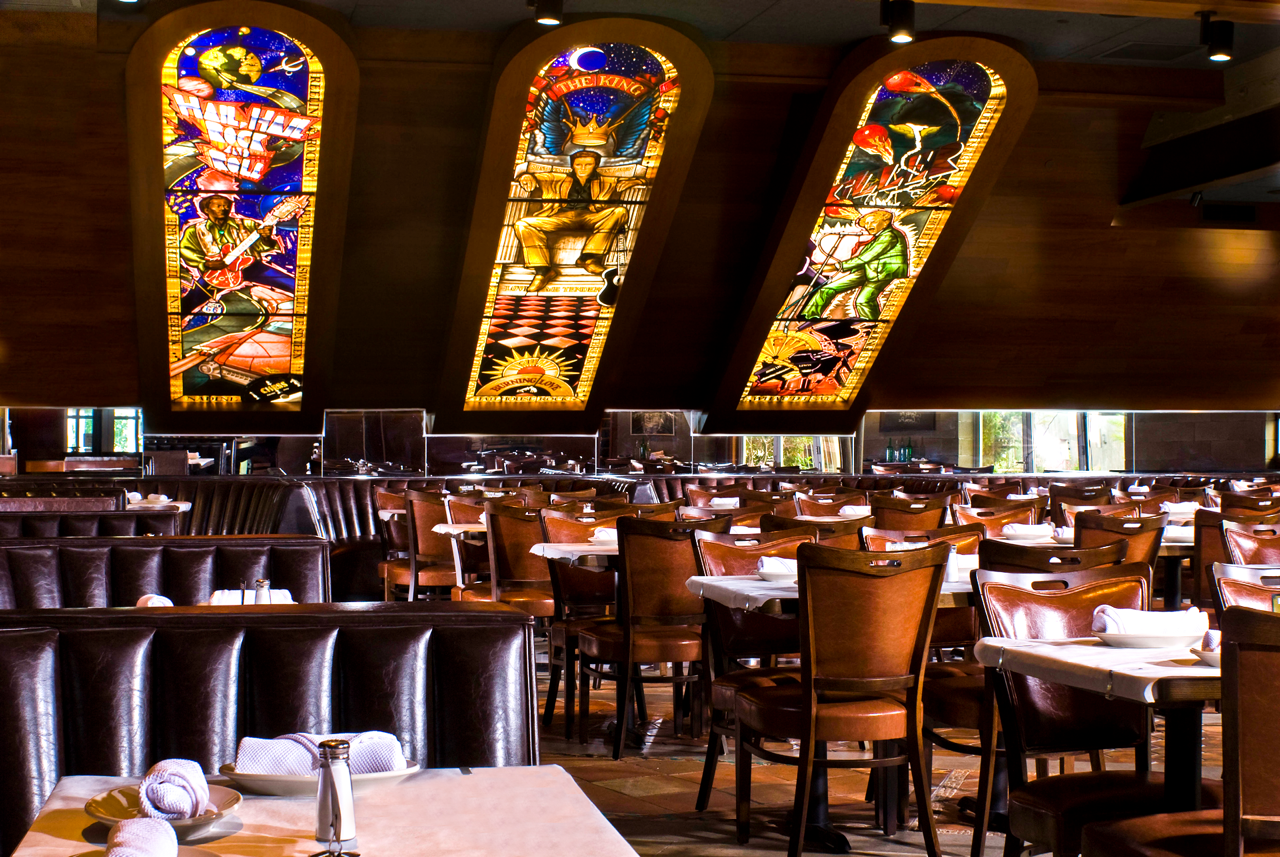
Despite the severe challenges, Dr. Moutray expressed cautious optimism for the industry’s future, particularly looking towards 2026. He anticipates potential “tailwinds of growth,” hoping for an easing of cost pressures and a recovery in customer traffic trends. A more stable and predictable economic environment, he suggests, could provide much-needed relief and foster a better year for restaurateurs nationwide.








