


Microsoft faces increasing pressure from users and investors alike regarding the direction of Windows 11, with growing calls for a departure from its intensive AI integration and feature bloat. Many consumers express dissatisfaction with the continuous addition of unwanted AI tools and pre-installed software, advocating instead for a more streamlined, lightweight operating system focused on core functionalities. This sentiment highlights a potential disconnect between the company’s current strategic emphasis and the practical demands of its user base.
The introduction of AI-powered features under the Copilot banner has particularly drawn criticism, often perceived as intrusive rather than genuinely helpful. Beyond artificial intelligence, Windows 11 continues a long-standing trend of accumulating superfluous applications and widgets, ranging from entertainment titles like Solitaire to system tools such as Phone Link and Mixed Reality Portal. These additions, frequently unsolicited, contribute significantly to system overhead and storage consumption.
This relentless accumulation of features not only clutters the user experience but also impacts system performance and stability. PC gamers, for instance, frequently report that Windows 11 offers a less stable platform compared to its predecessor, Windows 10, contributing to overall user frustration. The pervasive nature of unwanted software often compels users to undertake post-installation cleanups to achieve a more efficient digital environment.
The desire for simplification extends beyond casual users; an ex-Microsoft engineer recently voiced a powerful call for “No more AI, no more features. Just fixes,” underscoring a widespread sentiment within the tech community. This dissatisfaction is further reflected in the sustained popularity of Windows 10, which many users continue to prefer for its perceived stability and focus on essential functionality over an ever-expanding feature set.
Community developers have already responded to this demand with unofficial solutions like Tiny11, a stripped-back version of Windows 11 that removes AI components and bloatware for a more efficient experience. Furthermore, alternative operating systems such as Google’s ChromeOS and its even lighter variant, ChromeOS Flex, exemplify the viability of highly efficient, resource-friendly platforms capable of extending the lifespan of older hardware.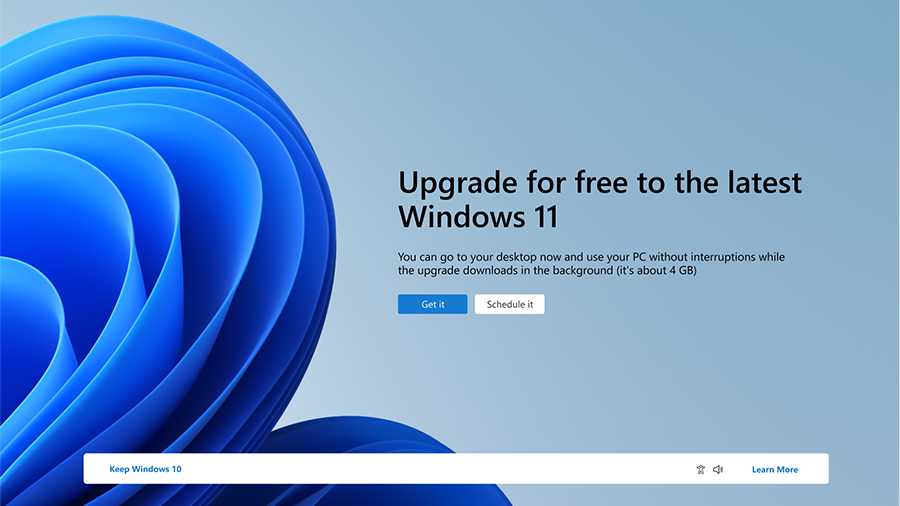
In an era where AI-driven demand is contributing to soaring PC component prices, particularly for RAM, the necessity for an operating system that performs smoothly on less powerful hardware becomes paramount. Microsoft’s own advocacy for 16GB RAM as a new standard for laptops appears increasingly challenging to implement given current market dynamics, making a lightweight, optimized OS a more practical and accessible solution for a broader consumer base.
A significant barrier to wider Windows 11 adoption remains the mandatory TPM 2.0 requirement, which effectively excludes numerous older, yet otherwise capable, devices from upgrading. While TPM 2.0 enhances security, particularly in enterprise environments, its practical benefits for the average private user are often marginal, with sensible internet usage frequently serving as a more effective defense against cyber threats. Removing this prerequisite could significantly broaden Windows 11’s compatibility with existing hardware.
A truly streamlined Windows would retain only essential, foundational applications such as Calculator, Calendar, Camera, a basic media viewer, alongside critical system components like the Settings app and File Explorer. Crucially, it would provide direct access to a browser and the Microsoft Store for users to selectively download additional software, entirely free from intrusive advertisements, Game Pass pop-ups, or unsolicited OneDrive trial offers, thus offering a clean and customizable digital canvas.
Such a minimalist operating system could be strategically branded to highlight its core appeal, with potential names like “Windows Lite,” “Windows Mini,” or even a nostalgic “Windows Classic” resonating with users longing for the simplicity of earlier versions. This approach would directly address the segment of the market feeling overwhelmed by the current trajectory of feature-rich and resource-heavy software.
Despite the clear and growing demand for a simplified Windows experience, observers remain largely skeptical that Microsoft will fundamentally alter its current strategy. The company’s substantial investment and strategic pivot towards artificial intelligence, largely driven by shareholder expectations for growth, suggest a continued trajectory of integrating more AI capabilities into Windows 11 rather than scaling back. This indicates that a truly lightweight Windows may not materialize in the immediate future.



![[post_title]](https://samony.com.ng/wp-content/uploads/2025/12/1766752624_22-MotoGP-rounds-are-too-many-for-the-body-feels-300x200.jpg?lm=694E8174 "MotoGP Calendar: Riders Decry Physical Toll of Expanded Schedule")




