CBS News editor-in-chief Bari Weiss defended the decision to pull a planned “60 Minutes” segment detailing alleged abuses within a Salvadoran prison, stating the move was crucial to “win back” American trust in the media. In a Christmas Eve email to staff, obtained by The Independent, Weiss argued that sometimes journalistic integrity requires holding back important stories to ensure they are comprehensive and fair.
Weiss acknowledged that in the current media landscape, this commitment to fairness might appear unconventional or even radical to those accustomed to different practices. She emphasized that external pressures, whether from activist groups or the White House, should not deter journalists from pursuing accuracy and balance in their reporting. The decision to delay the segment, which had already passed multiple editorial reviews, has reportedly caused significant unrest within the “60 Minutes” newsroom.
The controversy surrounding the postponed report has ignited a political firestorm, with critics suggesting that political influence may have played a role in the decision. Weiss, who joined CBS News this fall without prior television news experience, assumed her role following a complex merger involving CBS parent company Paramount and Skydance. This period also saw Paramount settle a lawsuit filed against “60 Minutes.”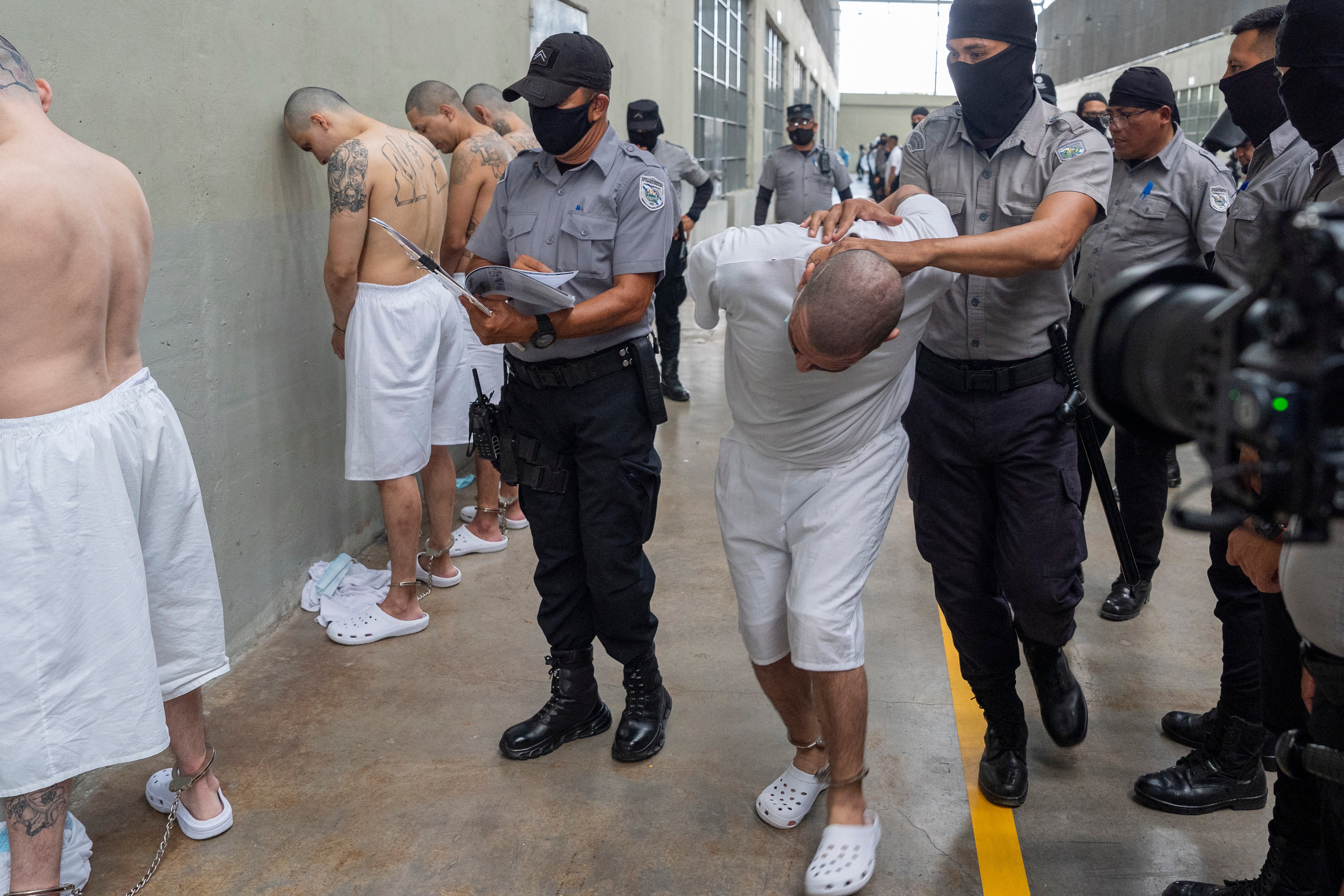
President Donald Trump has frequently voiced his dissatisfaction with “60 Minutes,” even under new ownership, claiming the program continues to treat him unfairly. His comments at a recent rally highlighted his perception of ongoing negative coverage. The situation is further complicated by allegations that top Trump administration officials avoided requests for comment from the “60 Minutes” reporter.
Reporter Sharyn Alfonsi, who investigated claims of abuse at the CECOT prison, stated that the administration’s refusal to be interviewed was a deliberate tactic to suppress the story. She warned that allowing government silence to veto reporting would grant officials a “kill switch” for inconvenient news coverage, potentially undermining journalistic oversight. Alfonsi’s concerns were echoed by “60 Minutes” staff who felt the administration’s avoidance was strategically designed to kill the story.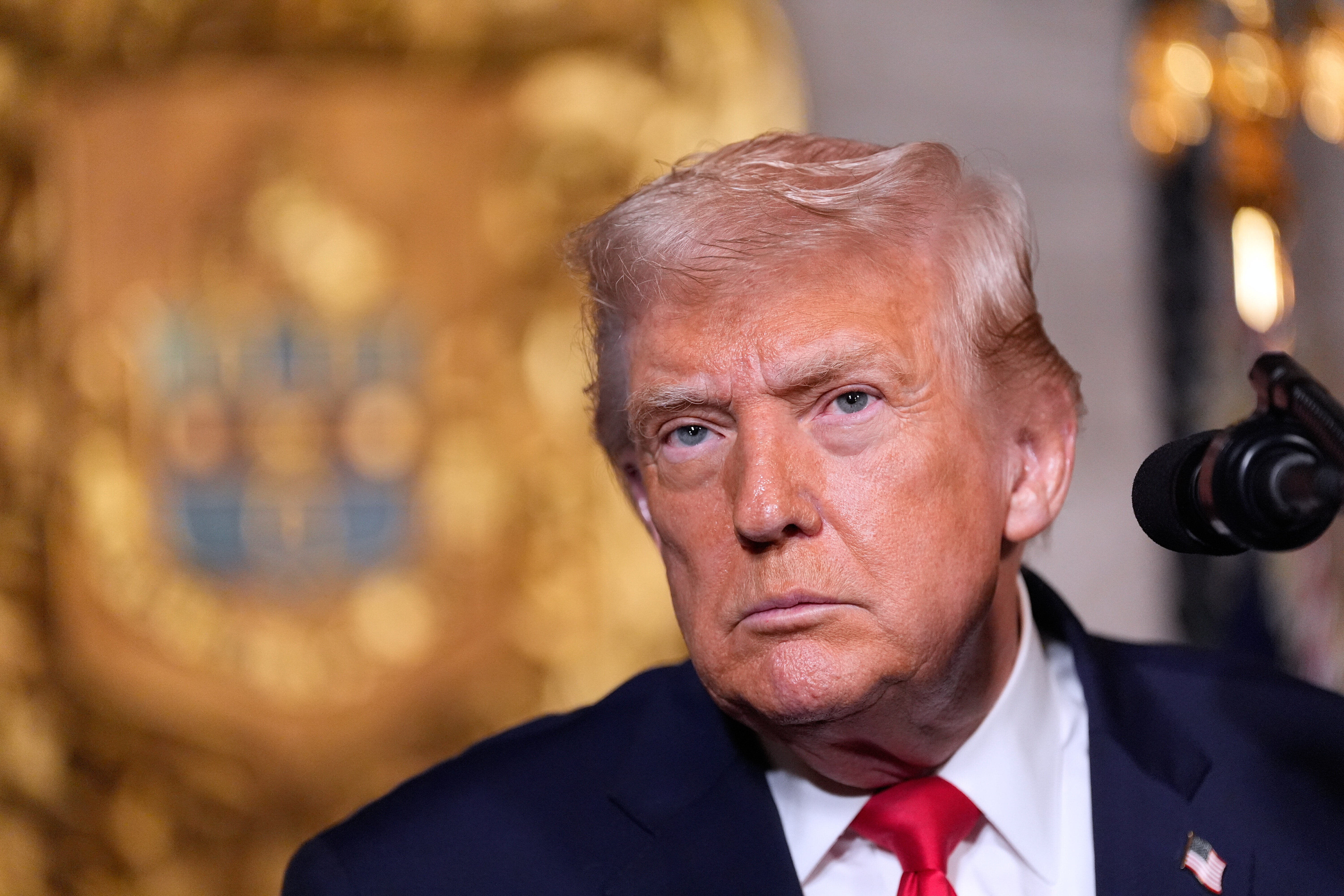
White House Deputy Chief of Staff Stephen Miller, a prominent figure in the administration’s immigration policies, dismissed the producers involved in the alleged “revolt” as out of touch. Appearing on Fox News, Miller advocated for firing dissenting producers, characterizing their reporting as an attempt to generate sympathy for individuals he described as “monsters” rather than focusing on the security of American citizens.
Weiss has maintained that her decision to hold the segment was based on editorial concerns, specifically that it lacked sufficient new information and did not adequately present the administration’s perspective. She reiterated to The New York Times that holding stories due to missing context or critical voices is standard practice in newsrooms and expressed anticipation for airing the piece when it is fully prepared..jpeg)
A leaked version of the segment, which briefly appeared on a Canadian news application, featured accounts from CECOT detainees detailing alleged physical and psychological mistreatment. These accounts underscore the sensitive nature of the reporting and the potential ramifications of its delayed broadcast.