


An Arizona state senator has introduced controversial legislation proposing a state-funded public health study into “Trump Derangement Syndrome” (TDS), a term frequently used by former President Donald Trump and his allies to describe critics. Senate Bill 1070, introduced by State Senator Janae Shamp, a Republican, mandates the Arizona Department of Health Services (ADHS) to conduct a year-long investigation into the “origins, manifestations and long-term effects” of this purported condition, which lacks recognition from any mainstream medical or psychological organization. The bill’s introduction immediately sparked debate, drawing criticism from public health experts and political observers.
Beyond merely directing a study, the proposed legislation includes a series of specific legislative findings that assert the reality and impact of TDS. Among these findings are claims that the “irrational animus” associated with TDS was responsible for two alleged assassination attempts against Mr. Trump in the past year. The bill also includes commendations for the former president’s “contributions to America’s prosperity,” citing actions such as “eliminating harmful mandates and affirming biological truth in federal policy to protect family values.”
Democratic Governor Katie Hobbs is widely expected to veto the measure, should it pass the Republican-controlled legislature. Senator Shamp, a registered nurse and vocal supporter of Mr. Trump, faces significant opposition to her proposal. Will Humble, a former director of the Arizona Department of Health Services, sharply criticized the bill, telling local media that the initiative is “silly” and lacks “any objective, any meaningful outcome,” emphasizing that such a study falls outside the agency’s core mission as they are not “social scientists.”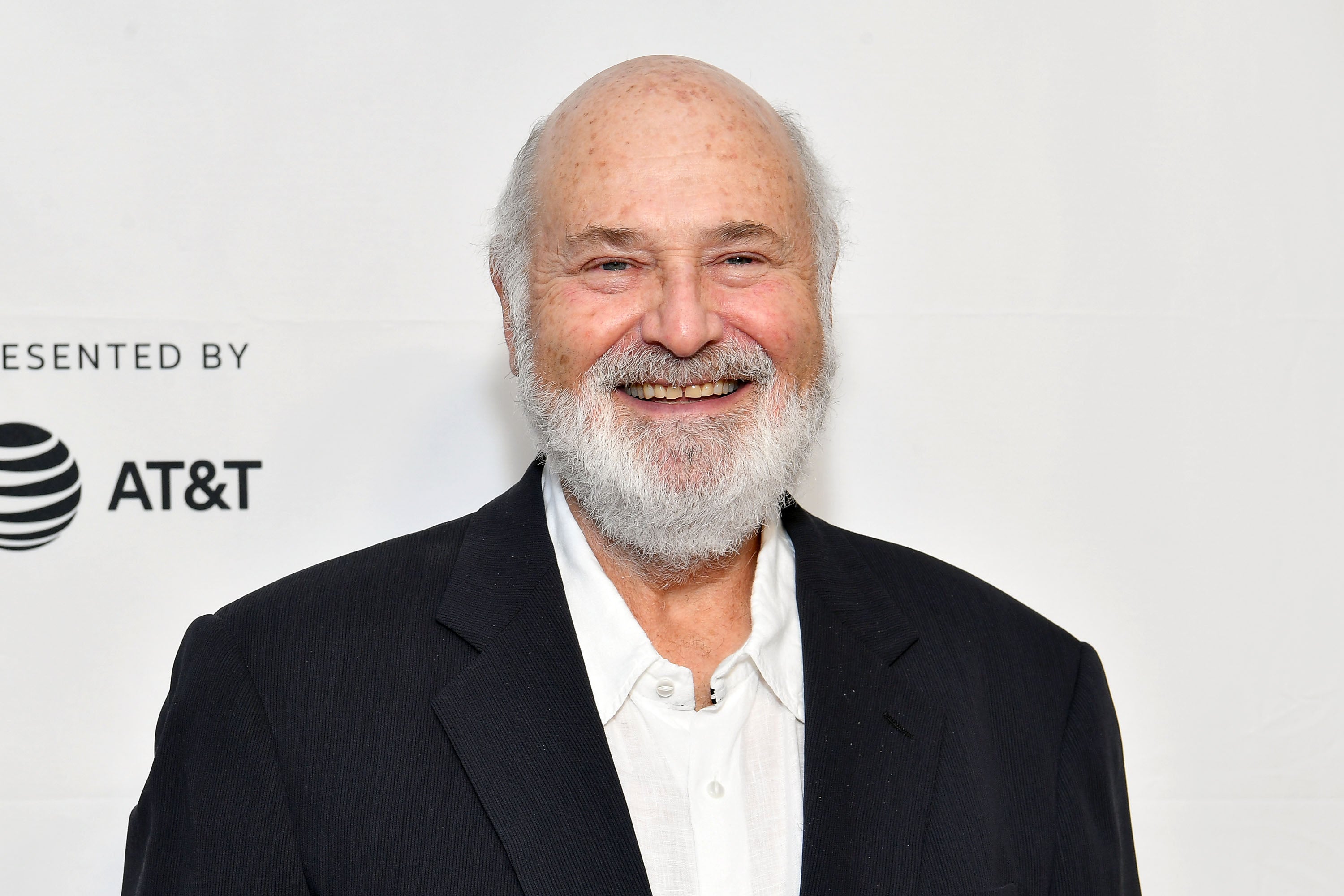
The term “Trump Derangement Syndrome” emerged during Mr. Trump’s first presidential term and has since become a recurring rhetorical tool for him and his supporters. They often deploy the phrase to dismiss and invalidate strong criticism of the former president, portraying opponents as suffering from a mental affliction rather than engaging with their substantive arguments. This tactic frames dissent as irrational and pathological.
Mr. Trump has frequently invoked the term in public discourse to target prominent critics. He recently drew widespread outrage when he falsely claimed that TDS was responsible for the “slaying” of director Rob Reiner and his wife, a statement that was factually incorrect as Mr. Reiner is alive and a frequent progressive critic. Similarly, Mr. Trump attributed TDS to his former chief of staff, John Kelly, after the retired Marine Corps general publicly compared the former president to Adolf Hitler, illustrating a pattern of using the term to deflect criticism.
Arizona’s legislative effort is not an isolated incident; it follows similar attempts by Republican lawmakers in other states, including Minnesota, and at the federal level, to either codify or officially study this invented syndrome. These proposals collectively highlight a broader political strategy aimed at legitimizing a partisan label within official government or medical frameworks, despite the consensus among medical professionals that “Trump Derangement Syndrome” is not a recognized mental health diagnosis.
While mainstream medical bodies do not acknowledge TDS, some individual psychological providers have noted that patients occasionally present with symptoms they personally attribute to a strong emotional or psychological reaction to political figures, particularly Mr. Trump. Jonathan Alpert, a psychotherapist, articulated this nuance in a Wall Street Journal op-ed, stating that “no serious mental-health professional would render such a partisan and derogatory diagnosis” but also acknowledging, “Yet I’ve seen it in my own psychotherapy practice,” suggesting a complex interplay between political discourse and individual psychological experiences.






