Former White House Deputy Chief of Staff Stephen Miller has publicly called for the dismissal of “60 Minutes” producers following a controversial decision by CBS News editor-in-chief Bari Weiss to pull an investigative segment on alleged migrant abuse within El Salvador’s notorious CECOT prison. Miller’s fiery remarks, delivered on Fox News, underscore a deepening dispute over journalistic editorial control and the portrayal of immigration policies. The segment’s withdrawal has ignited an internal “revolt” among staff and sparked widespread debate.
The contentious “60 Minutes” piece, titled “Inside CECOT,” was slated to air on Sunday and featured journalist Sharyn Alfonsi interviewing inmates who recounted severe mistreatment. Reports from the segment detailed allegations of torture, beatings, and sexual abuse suffered by deportees, primarily Venezuelans, within the prison’s walls. Ms. Weiss reportedly halted the broadcast, citing concerns that the segment failed to adequately present the Trump administration’s perspective on the deportation of migrants to the facility.
During his appearance on Fox News, Mr. Miller expressed outrage, stating, “Every one of those producers at 60 Minutes engaged in this revolt — clean house and fire them, that’s what I say.” He further criticized “these 60 Minutes producers who are living in comfort and security in their west end condos trying to make us feel sympathetic for these monsters,” referring to the imprisoned migrants. Miller also dismissed the segment as “another pathetic 60 Minutes hatchet job,” asserting he was not contacted for an interview despite Weiss reportedly requesting one.
However, journalist Sharyn Alfonsi contested the notion that the administration’s non-participation justified spiking the story. In an internal email to “60 Minutes” staff, Alfonsi revealed that her team had “requested responses to questions and/or interviews with DHS, the White House and the State Department” but received no replies. She argued emphatically that “Government silence is a statement, not a veto,” warning that allowing such refusals to kill a story would effectively grant administrations a “kill switch” over inconvenient reporting.
The decision by Ms. Weiss reportedly triggered significant dissent within the “60 Minutes” team, with sources indicating a potential “revolt” among staff members. In response to the growing fallout, Ms. Weiss convened a “big managers’ crisis meeting” at CBS News’ New York offices. During this meeting, she reportedly spent considerable time assuring attendees that the segment was not permanently shelved and would eventually be broadcast, aiming to quell the internal unrest.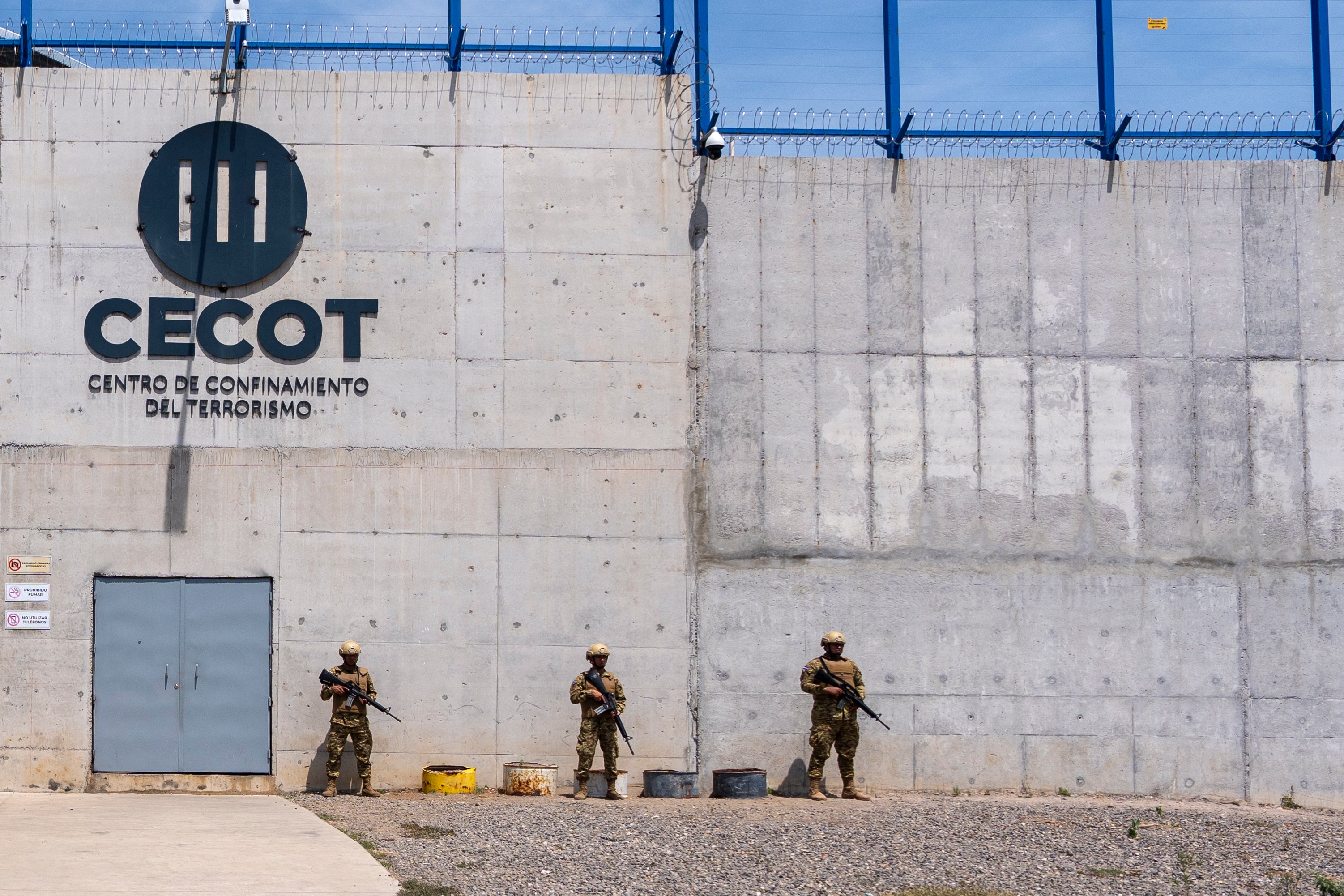
Despite the internal dispute and initial withdrawal, the segment unexpectedly surfaced online this week after an edited version reportedly aired on Canada’s Global Television Network. While the broadcast version was subsequently removed from some platforms, it remains accessible on archiving websites. The leaked footage corroborates the serious allegations, featuring multiple deportees describing horrific experiences, including one Venezuelan who reported sexual abuse and solitary confinement as punishment.
Another deportee featured in the leaked material provided a chilling account of his arrival, stating, “When you get there, you already know you’re in hell. You don’t need anyone to tell you.” He detailed immediate beatings upon entry that resulted in broken bones. Beyond individual testimonies, the “60 Minutes” segment also incorporated insights from legal experts who challenged the fundamental legal basis for the rapid deportation of migrants, particularly in light of pending judicial decisions concerning their status.
The controversy surrounding the “60 Minutes” segment highlights a broader tension between editorial independence, journalistic pursuit of difficult truths, and the pressures that can arise from political figures and network management. It raises critical questions about the criteria for story selection, the ethical implications of government non-cooperation, and the ultimate responsibility of news organizations to inform the public on sensitive issues like human rights and immigration policy.