


Afrobeat artist and activist Seun Kuti has ignited considerable debate following recent remarks challenging conventional religious practices and the efficacy of prayer. Kuti, son of legendary musician Fela Kuti, stated publicly that he has never engaged in prayer and questioned its effectiveness, asserting that genuine spirituality transcends outward rituals. His comments have resonated across social media and traditional platforms, sparking discussions about faith, personal conviction, and the role of public figures in spiritual discourse within a deeply religious society. The musician’s stance aligns with a history of critical social commentary inherent in the Afrobeat genre he champions.
The acclaimed artist specifically criticised what he termed “performative religious acts,” describing public displays of worship such as kneeling, prostrating, and shouting during prayers as “unnecessary and immature.” He argued that these actions constitute “eye service,” implying they are done for outward show rather than sincere devotion. Kuti’s critique focuses on the perceived theatricality of some religious expressions, suggesting a disconnect between these practices and true spiritual depth. He emphasized that such displays often overshadow the more profound aspects of one’s personal faith journey.
According to Kuti, authentic spirituality is not found in verbal supplications or dramatic expressions of faith but is instead reflected in one’s daily conduct and life choices. He maintained that a person’s actions, values, and overall approach to life constitute the real “prayer.” This perspective posits that ethical living, integrity, and personal responsibility hold greater spiritual weight than ritualistic observances. His philosophy suggests a practical, action-oriented approach to spiritual living, moving away from purely ceremonial acts.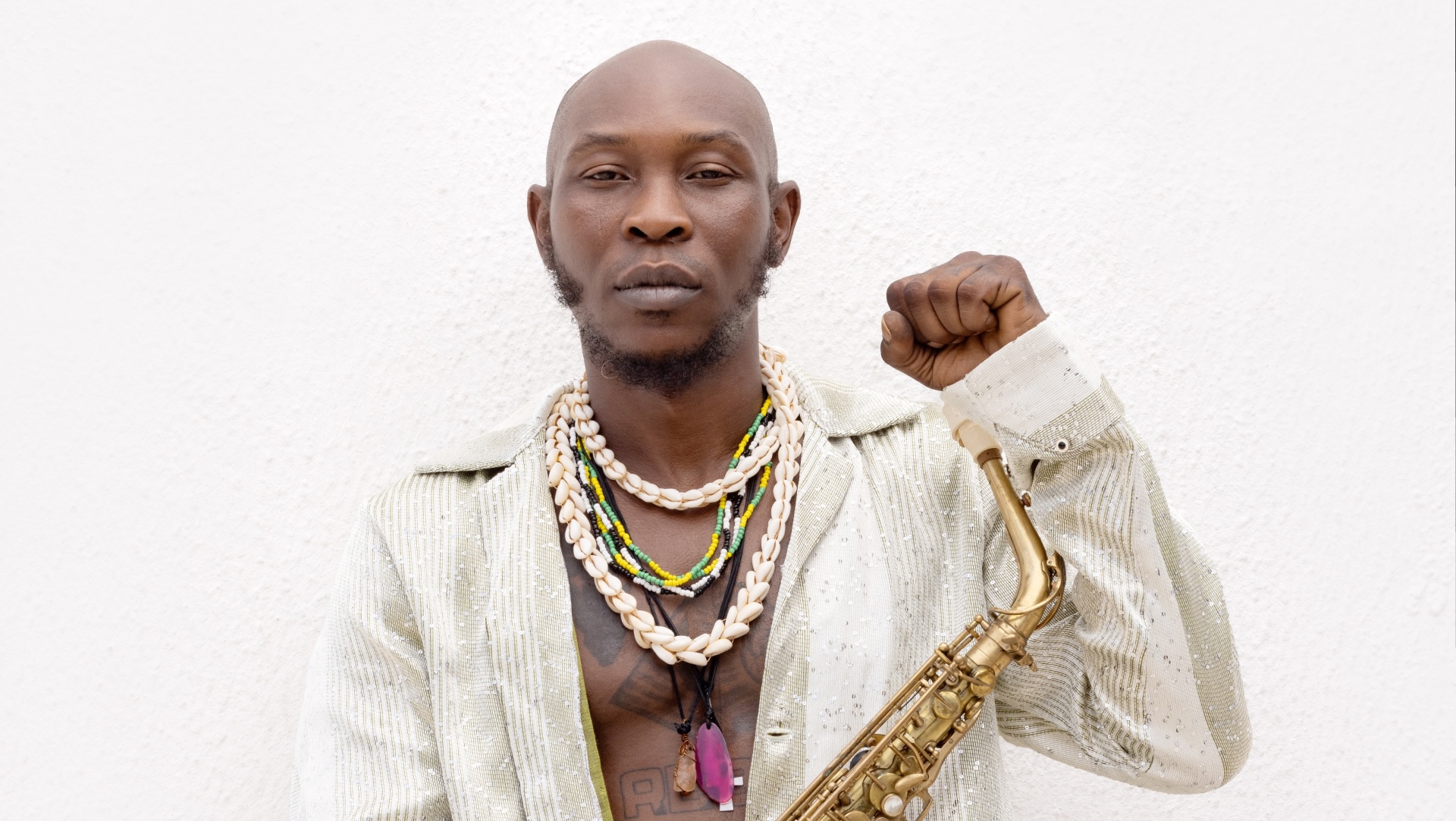
In his own words, Kuti declared, “I have never prayed before in my life, I don’t believe it works. All this eye service wey Una dey do, wey Una go go kneel down for ground, dey roll for ground, dey shout, they’re all childishness. Your life is the prayer. What you do with your life is the prayer.” This blunt statement encapsulates his core argument, challenging adherents to reconsider the substance of their faith. He underscored the belief that genuine spiritual connection manifests through tangible contributions and an upright existence rather than mere vocalisation.
Kuti’s outspoken views emerge within a Nigerian context where religious adherence is pervasive and deeply interwoven into the fabric of society. Both Christianity and Islam boast massive followings, and public displays of faith are common and widely accepted. For many, prayer is a fundamental aspect of daily life, offering solace, guidance, and a means of connecting with the divine. His remarks therefore represent a significant departure from prevailing societal norms, potentially alienating some while resonating with others who may share similar reservations about religious formalism.
This critical stance echoes the legacy of his father, the iconic Fela Kuti, who famously used his music and platform to challenge political corruption, social injustice, and institutional hypocrisy, including aspects of organised religion. Afrobeat, as a genre, has historically served as a vehicle for social commentary and dissent, often questioning established power structures and conventional wisdom. Seun Kuti continues this tradition, utilising his voice not only through music but also through direct public statements to provoke thought and encourage introspection on deeply ingrained cultural practices.
The musician’s comments are likely to elicit varied responses, ranging from strong condemnation from devout religious communities to enthusiastic support from secularists and those critical of religious dogmatism. Some may view his statements as an attack on faith, while others might interpret them as a call for more authentic and less superficial spiritual engagement. This controversy underscores the ongoing tension between traditional belief systems and contemporary, individualistic interpretations of spirituality in a rapidly evolving global landscape. The debate highlights the diversity of thought even within seemingly homogenous societies.
Beyond the immediate controversy, Kuti’s remarks contribute to a broader philosophical discussion about the nature of faith, the role of ritual, and the definition of spirituality in the modern age. His emphasis on action over utterance invites adherents of all faiths to critically examine their practices and motivations. It prompts reflection on whether religious expressions genuinely reflect inner conviction or have become rote performances. This intellectual provocation, typical of the Kuti lineage, often stimulates important societal dialogue on fundamental ethical and spiritual questions.
Seun Kuti has consistently used his platform to advocate for social change and challenge established norms, a characteristic that defines his artistic and public persona. His music frequently addresses themes of political accountability, economic inequality, and cultural authenticity. This latest intervention, while directly spiritual in nature, aligns with his broader commitment to fostering critical thinking and promoting genuine human values. It reinforces his image as an independent voice unafraid to confront sensitive topics, solidifying his role as a contemporary cultural provocateur.
As discussions continue to unfold across various media, Kuti’s statements serve as a potent reminder of the diverse perspectives on faith and worship that coexist within society. His challenge to conventional prayer rituals prompts an examination of what truly constitutes spiritual practice and personal devotion. The debate his words have sparked is likely to endure, encouraging individuals to reflect on their own beliefs and the ways in which they express their spirituality in an increasingly complex world.
“I’ve never prayed before in my life, I don’t believe it works, Praying is childish. It doesn’t work.”
-Seun Kuti pic.twitter.com/9j9Z4Ek3NM
— Oyindamola🙄 (@dammiedammie35) December 24, 2025








