![[post_title]](https://samony.com.ng/wp-content/uploads/2025/12/1766558341_Animal-experts-are-saying-not-to-dress-your-dog-up.jpeg?lm=694B8A85)
The global pet fashion industry is experiencing a significant boom, driven by an increasing number of owners who view their animals as integral family members. This trend, however, has ignited a sharp debate concerning animal welfare, with advocacy groups like Peta issuing stern warnings against dressing pets in garments, citing potential discomfort and stress.
Animal rights organisation Peta recently criticised Channel 4’s programme “Game Of Wool: Britain’s Best Knitter,” which featured dogs modelling knitted outfits. The charity expressed concern that such practices could cause distress to the animals involved, prompting a wider discussion on the ethics of pet clothing.
Elisa Allen, Peta’s Vice President of Programmes and Operations, articulated the organisation’s stance, stating that “dogs aren’t dolls; they are whole, intelligent individuals who should be respected for who they are.” Allen further elaborated that “putting clothes on them for our entertainment reduces them to laughable, lesser humans” and should only be considered if it genuinely serves the dog’s best interest, such as providing warmth or dryness.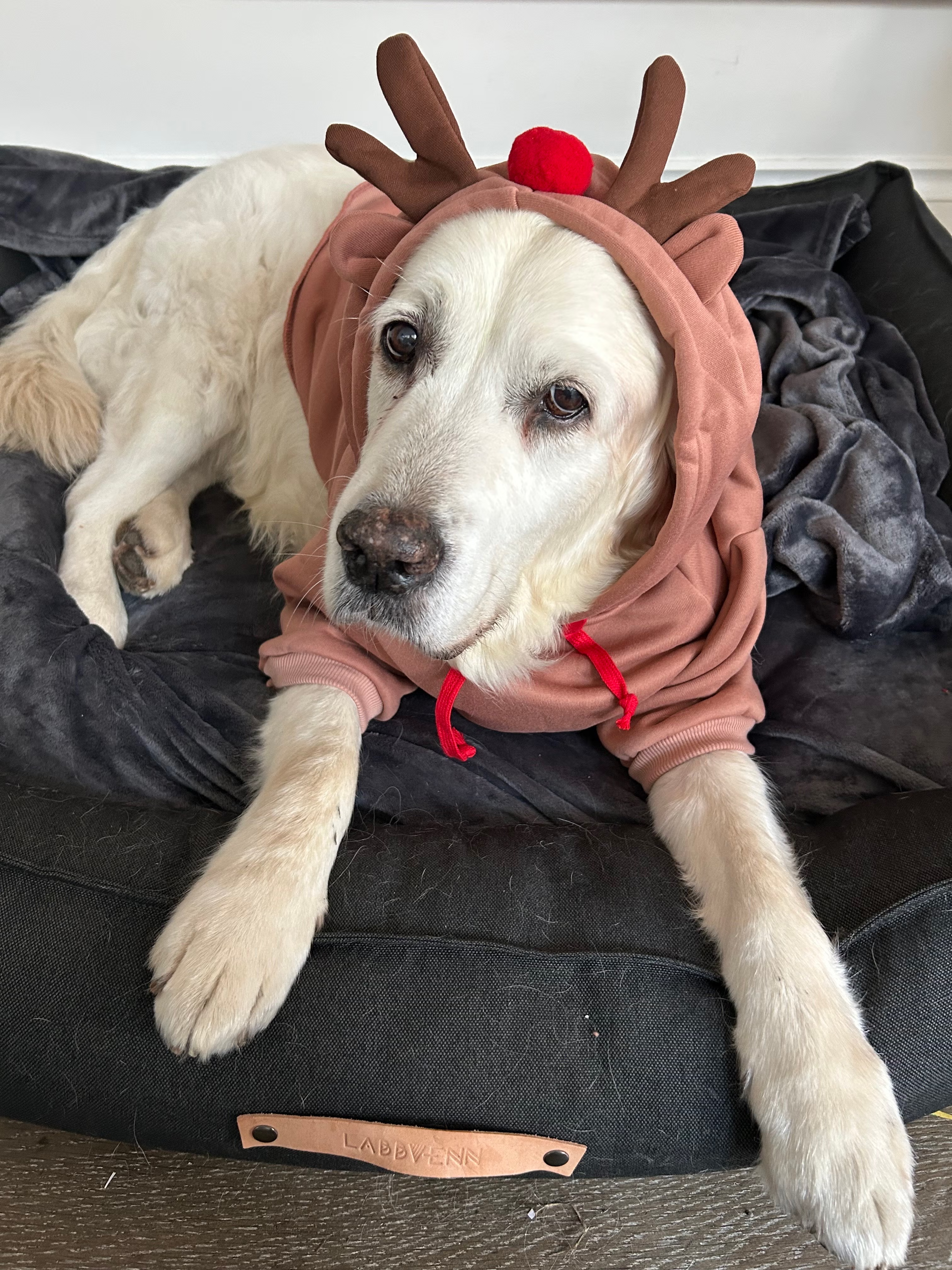
The organisation also extended its critique to the materials used in pet apparel, advocating for a shift from animal-derived wool to natural, biodegradable plant-based alternatives. Peta argues that the production of any animal material inherently involves suffering and exploitation, urging consumers and manufacturers to adopt more ethical practices.
Despite these warnings, the pet clothing market continues its rapid expansion. Valued at approximately £4.12 billion in 2024, projections indicate it will surpass £5.52 billion by 2030. This growth underscores a profound shift in how many people relate to their pets, increasingly treating them akin to human children and investing in their comfort and appearance.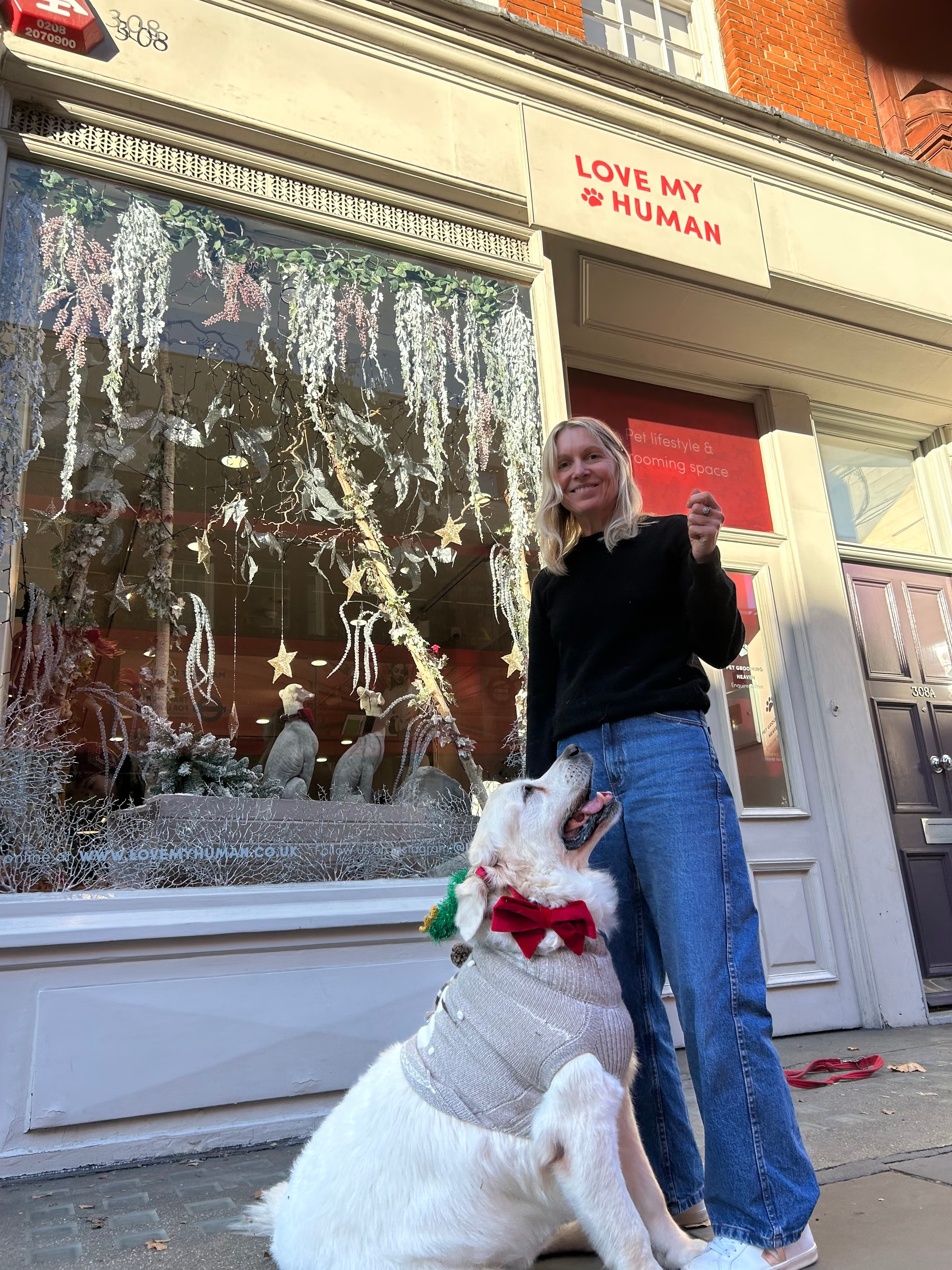
High-profile figures and brands are actively participating in this trend. King Charles has introduced a line of tweed jackets for dogs, crafted from Sandringham Royal Tweed, while collaborations like M&S x Bella Freud offer lambswool blend dog jumpers, reflecting a mainstream embrace of canine fashion. The phenomenon of “twinning” – owners matching outfits with their pets – has also become a popular aspect of this cultural shift.
A recent study highlighted that 54 per cent of dog owners consider their canine companions as pseudo-children, a sentiment that fuels the anthropomorphic tendencies seen in pet care, from specialised diets and luxury grooming to elaborate wardrobes. This deep emotional connection often leads owners to project human feelings and desires onto their pets.
While many owners report that their dogs appear to enjoy the attention garnered by festive or fashionable outfits, the core of the debate remains the dog’s actual experience. Animal welfare experts caution against assuming a dog’s comfort based solely on human interpretation, emphasising the potential for stress or restricted movement that may not always be immediately obvious.
The burgeoning pet fashion industry navigates a complex landscape where owner affection and commercial opportunity intersect with critical animal welfare considerations. The challenge lies in balancing the desire to include pets in human festivities and fashion trends with a genuine commitment to their physical comfort and psychological well-being, ensuring that novelty does not overshadow necessity.