

![[post_title]](https://samony.com.ng/wp-content/uploads/2025/12/1766184040_Getting-an-indoor-tan-Youre-making-your-skin-much-older.jpeg?lm=6945D468)
New scientific findings confirm that indoor tanning significantly accelerates skin aging and dramatically increases the risk of developing deadly skin cancers. Researchers have discovered that even short sessions in tanning beds can cause genetic changes in skin cells, making them appear decades older than individuals of the same age who do not use these devices. These cellular alterations are a precursor to mutations that can ultimately lead to skin cancer.
The study, a collaboration between the University of California at San Francisco and Northwestern University, analyzed data from over 32,000 dermatology patients and skin samples from 26 donors. The results were stark: tanning bed users in their 30s and 40s exhibited more mutations in their skin cells than individuals in their 70s and 80s from the general population. This indicates a profound, accelerated aging process at a genetic level.
While the benefits of sun exposure, such as vitamin D production, are well-known, the ultraviolet (UV) radiation emitted by tanning beds is predominantly UVA light. This type of UV ray, unlike the UVB rays the body needs for vitamin D synthesis, penetrates deeper into the skin. UVA rays are strongly linked to cellular aging, wrinkle formation, and certain types of skin cancer.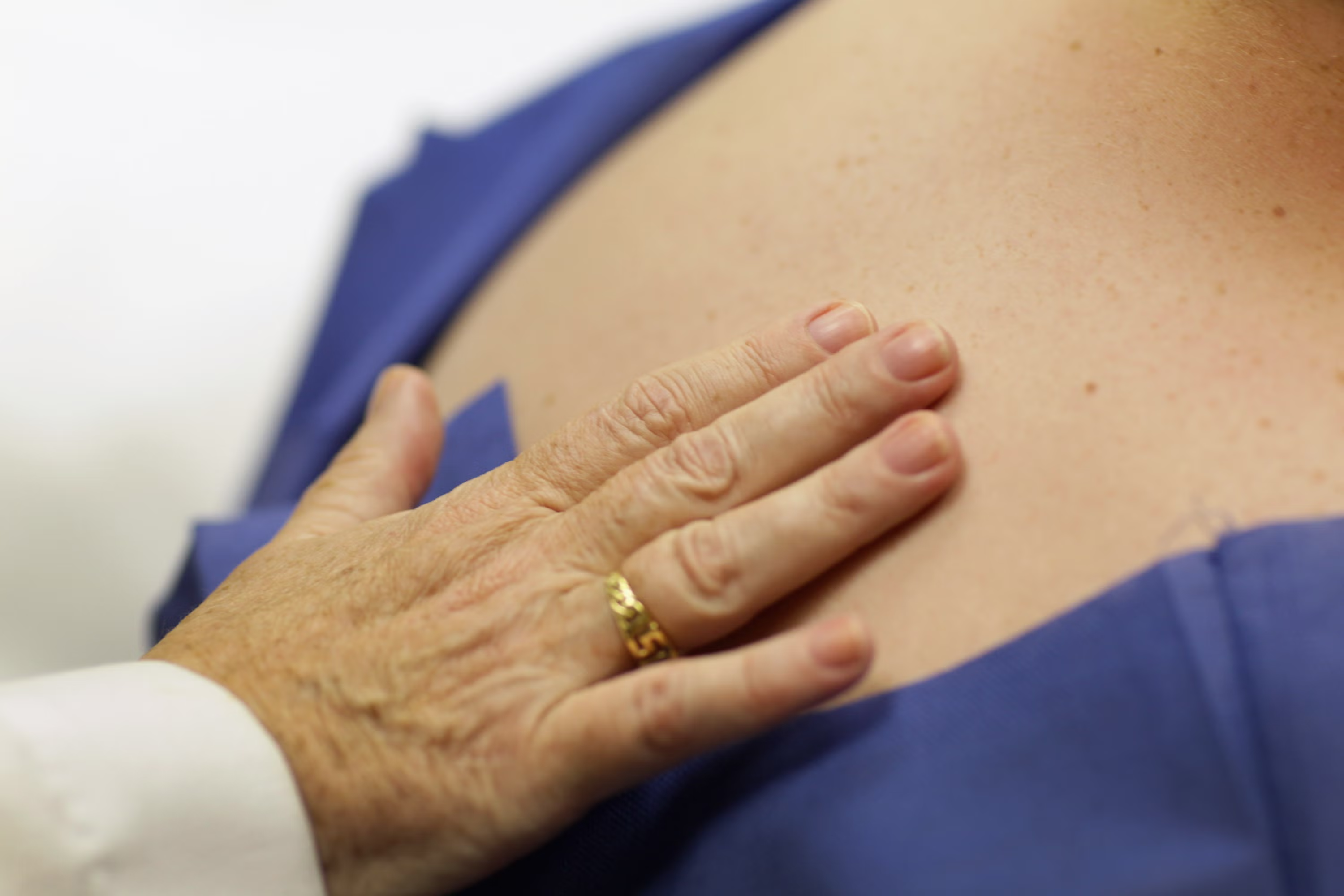
Furthermore, the study highlighted an alarming increase in skin mutations in areas of the body that receive less natural sunlight, such as the lower back, when exposed to tanning beds. This suggests that the concentrated artificial UV exposure from tanning devices causes damage beyond what is typically incurred from incidental sun exposure.
The research also quantifies the heightened risk of melanoma, the most aggressive form of skin cancer, associated with indoor tanning. The findings indicate that using tanning beds can triple the risk of developing melanoma. Young women, who are frequent users of tanning salons, are identified as a particularly vulnerable demographic.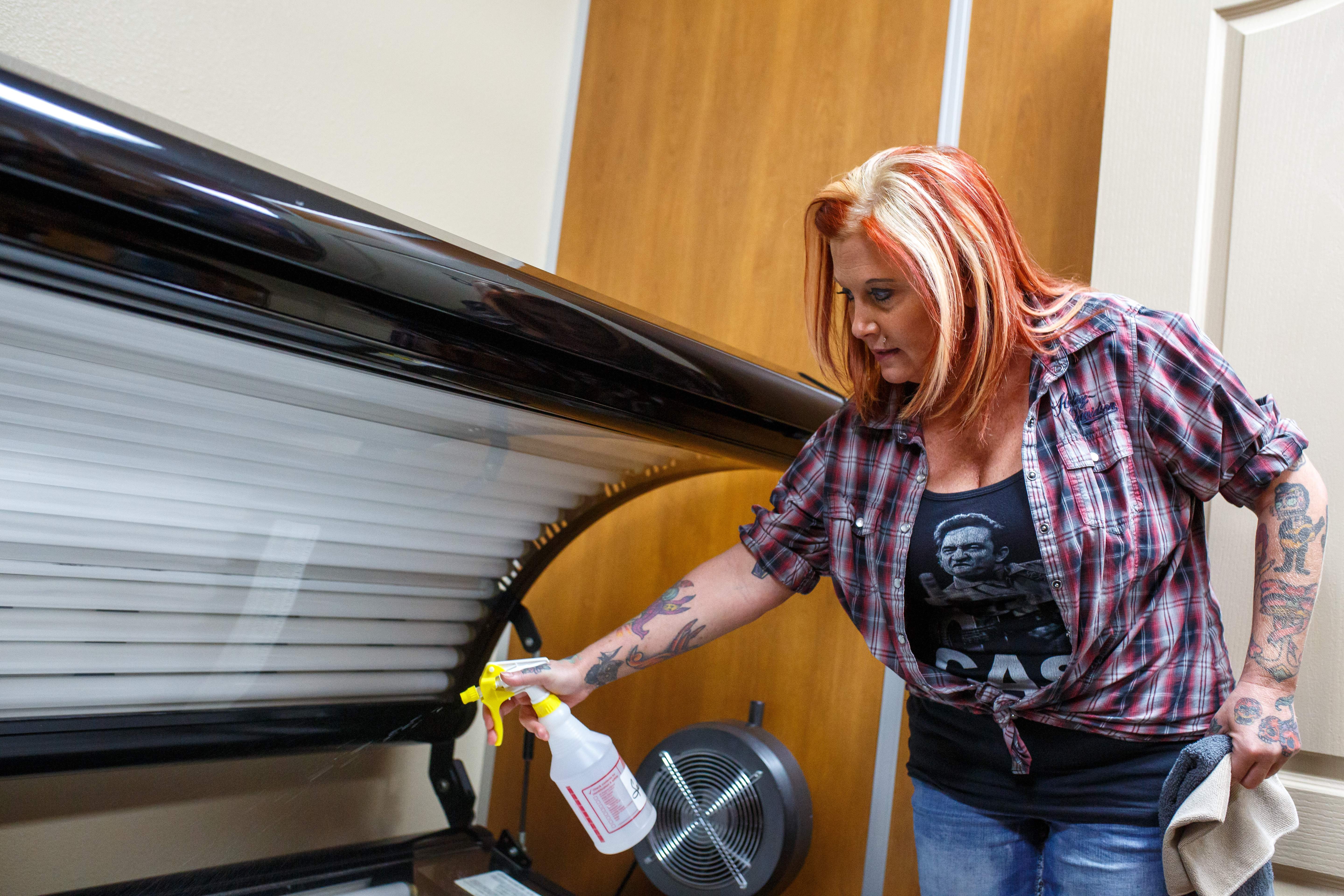
Individuals who begin indoor tanning before the age of 35 face a significantly elevated risk, with their melanoma risk increasing by approximately 60 percent. These findings underscore the critical need for public awareness campaigns and stricter regulations surrounding the use of tanning beds to mitigate their severe health consequences.

![[post_title]](https://samony.com.ng/wp-content/uploads/2025/12/CdF-la-rencontre-Les-Herbiers-300x169.jpg?lm=6945D14F "French Cup Match Halted by Pyrotechnics Incident in Vendée")


![[post_title]](https://samony.com.ng/wp-content/uploads/2025/12/BUA-Foods-BUA-Cement-lead-heavyweights-as-ASI-gains-113-300x196.png?lm=6945CDAB "Nigerian All-Share Index Surges 1.13% as BUA Heavyweights Rally")
![[post_title]](https://samony.com.ng/wp-content/uploads/2025/12/1766182606_Bill-Clinton-in-Epstein-files-as-hes-pictured-in-pool-300x158.jpg?lm=6945CECF "Bill Clinton Appears in New Epstein Files, No Wrongdoing Alleged")
![[post_title]](https://samony.com.ng/wp-content/uploads/2025/12/Passengers-scream-pray-as-Air-Peace-London-Abuja-flight-experience-300x157.jpg?lm=6945CA8B "Air Peace London Abuja Flight Experiences Severe Turbulence")

![[post_title]](https://samony.com.ng/wp-content/uploads/2025/12/1766184404_Tommy-Robinson-shoved-by-furious-pro-boxer-as-security-step-1024x538.jpg?lm=6945D5D6 "Tommy Robinson Shoved by Boxer at Dubai Misfits Event")
![[post_title]](https://samony.com.ng/wp-content/uploads/2025/12/CdF-la-rencontre-Les-Herbiers-1024x576.jpg?lm=6945D14F "French Cup Match Halted by Pyrotechnics Incident in Vendée")
