

![[post_title]](https://samony.com.ng/wp-content/uploads/2025/12/1766145954_Three-persistent-symptoms-in-your-feet-that-could-be-a-1024x538.jpg?lm=69453FA3)
High cholesterol levels pose a significant, often silent, threat to cardiovascular health, with their impact frequently manifesting in the body’s extremities, most notably the feet. These subtle yet critical warning signs are not merely discomforts but vital indicators of underlying conditions such as peripheral artery disease (PAD), a serious circulatory problem that can escalate the risk of life-threatening events like heart attacks and strokes. Recognising these persistent symptoms in the feet is paramount for early diagnosis and timely medical intervention, potentially averting severe health crises and preserving overall well-being.
Peripheral artery disease develops insidiously when low-density lipoprotein (LDL) cholesterol, often termed “bad” cholesterol, accumulates as fatty deposits within the arterial walls. This process, known as atherosclerosis, progressively narrows the arteries, severely impeding the flow of oxygen-rich blood, essential nutrients, and vital oxygen to the limbs. The feet, being the furthest anatomical points from the heart, are particularly vulnerable to the effects of compromised circulation and are frequently the first site where these critical symptoms become apparent. The British Heart Foundation consistently highlights that when blood flow deteriorates, the body struggles to supply adequate blood, nutrients, and oxygen to the skin and soft tissues in these distal regions.
Among the most crucial persistent symptoms observed in the feet that signal high cholesterol and potential PAD are chronic pain, especially during physical exertion, and the development of ulcers or open sores that exhibit a concerning reluctance to heal. This pain, medically termed claudication, typically subsides with rest but recurs upon activity, indicating inadequate blood supply to the muscles. In advanced stages, severe circulatory impairment can lead to critical limb ischaemia, a medical emergency characterised by unrelenting pain even at rest, non-healing wounds, and the potential onset of gangrene, demanding immediate medical attention to prevent limb amputation.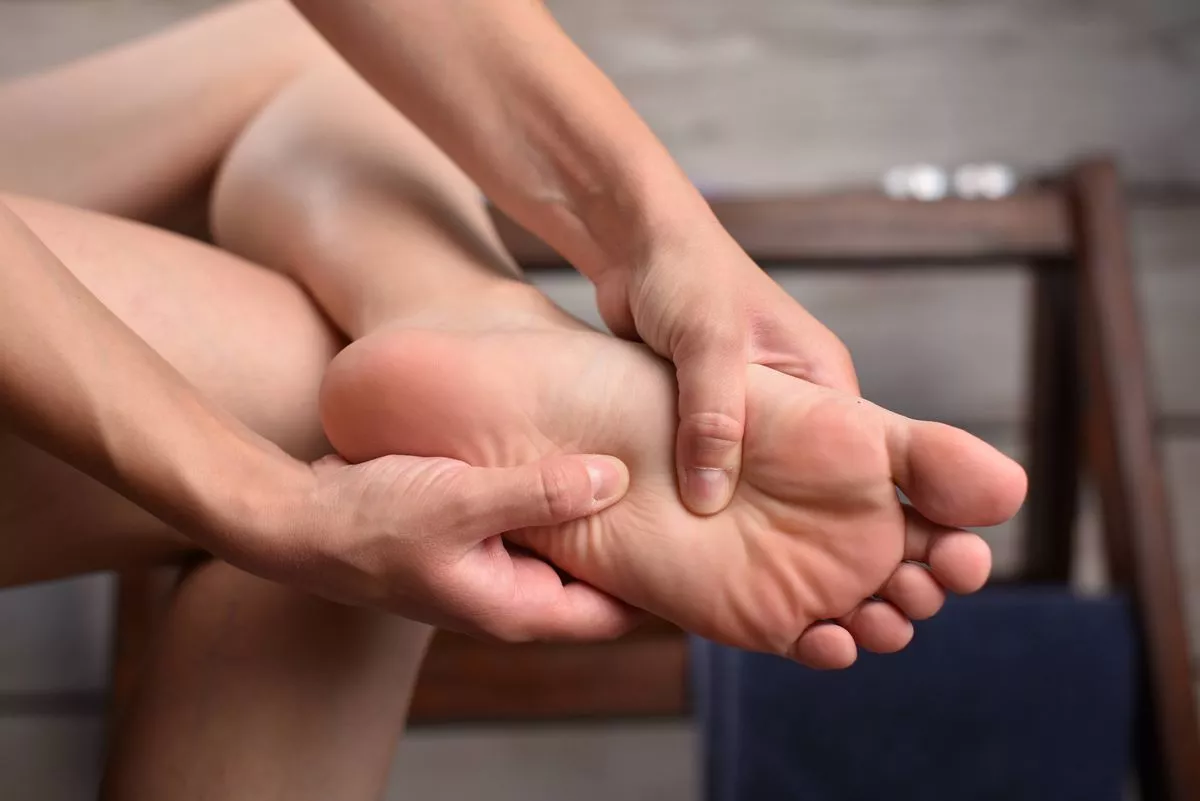
Beyond these primary indicators, a range of other symptoms can point towards diminished blood flow in the lower limbs. These include a noticeable and often unexplained loss of hair on the legs and feet, persistent tingling sensations, or a pronounced weakness in the legs, which can impact mobility and daily activities. Toenails may also become remarkably fragile and exhibit an unusually slow growth rate, reflecting the lack of adequate nourishment. Changes in skin tone, such as an unusual paleness or a bluish discolouration, accompanied by a glossy appearance of the skin, are further visual cues. Additionally, muscle wasting in the legs can occur, and for men, erectile dysfunction may serve as an associated symptom, highlighting the systemic nature of arterial disease.
The insidious nature of high cholesterol means it often remains undiagnosed until significant complications arise. Therefore, a blood test remains the most reliable method for assessing cholesterol levels and determining an individual’s risk profile. Healthcare professionals frequently suspect elevated cholesterol based on lifestyle factors such as a diet rich in fatty foods, excessive alcohol consumption, and insufficient physical activity. Consequently, they may recommend a cholesterol test, which can be conducted either through a venous blood draw from the arm or a simpler finger-prick test, to accurately gauge the levels of LDL, HDL (high-density lipoprotein or “good” cholesterol), and triglycerides.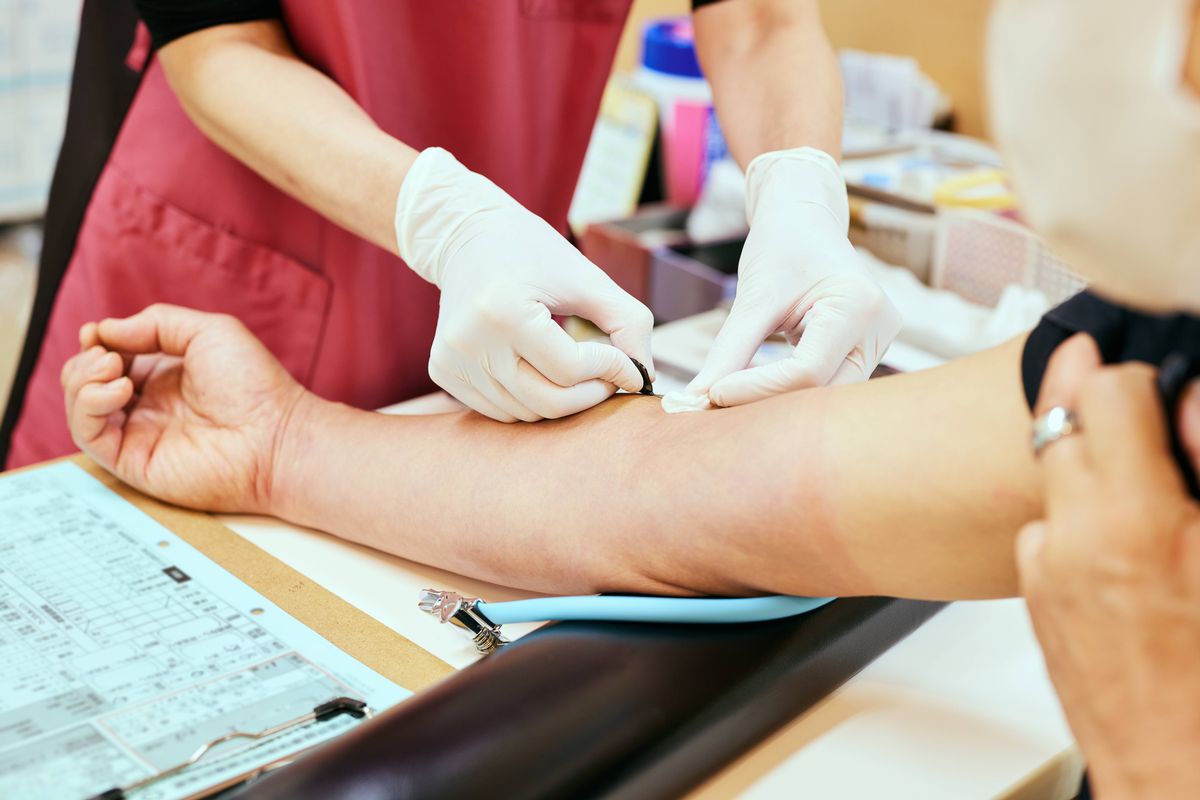
Effective management of high cholesterol and the prevention of conditions like PAD largely hinge on proactive lifestyle modifications. A cornerstone of this approach involves significant dietary adjustments, specifically reducing the intake of saturated fats. These fats, commonly found in sources such as fatty meats, processed foods, certain cheeses, butter, and lard, are direct contributors to elevated LDL cholesterol. Conversely, substituting these with unsaturated fats, abundantly present in vegetables, nuts, seeds, and various plant-based oils, can profoundly impact cholesterol levels and promote healthier arterial function.
Alongside dietary changes, consistent physical activity is indispensable for maintaining optimal cholesterol levels and fostering overall cardiovascular resilience. Current UK health guidelines advocate for adults to engage in at least 150 minutes of moderate-intensity aerobic activity, or 75 minutes of vigorous-intensity activity, each week. Moderate intensity activity is defined by an increased heart rate and heavier breathing, without reaching the point of gasping for breath. Achieving this recommendation can be as straightforward as dedicating 30 minutes to moderate activity on at least five days a week, a commitment that yields substantial benefits not only for cholesterol management but also for heart health and broader physical well-being. Regular exercise helps improve the ratio of good to bad cholesterol, strengthens the heart, and enhances circulation, thereby actively combating the progression of arterial disease.

![[post_title]](https://samony.com.ng/wp-content/uploads/2025/12/French-court-jails-30-year-old-woman-for-her-role-300x150.jpg?lm=69453B7A "French Court Jails Woman for Islamic State Terror Conspiracy")


![[post_title]](https://samony.com.ng/wp-content/uploads/2025/12/1766144473_Are-You-Putting-Yourself-Last-The-Cost-Could-Be-Your-300x169.jpg?lm=694539DB "Dual Caregiving Challenges Retirement Security for Millions")
![[post_title]](https://samony.com.ng/wp-content/uploads/2025/12/1766143590_Russell-Brand-slams-Katy-Perrys-relationship-with-Justin-Trudeau-in.jpeg?lm=69453666 "Russell Brand Comments on Katy Perry, Justin Trudeau Romance Amid Charges")


![[post_title]](https://samony.com.ng/wp-content/uploads/2025/12/Wiz-Khalifa-Handed-Nine-Month-Romanian-Jail-Term-Over-On-Stage-Cannabis.jpg?lm=69453FE4 "Wiz Khalifa Gets Nine-Month Romanian Jail Term for On-Stage Drug Use")
![[post_title]](https://samony.com.ng/wp-content/uploads/2025/12/French-court-jails-30-year-old-woman-for-her-role-1024x512.jpg?lm=69453B7A "French Court Jails Woman for Islamic State Terror Conspiracy")

