

![[post_title]](https://samony.com.ng/wp-content/uploads/2025/12/1766131219_Why-the-EU-could-not-agree-on-using-80bn-of.jpeg?lm=69450613)
European Union leaders have approved a substantial €90 billion loan package for Ukraine’s war effort, a critical lifeline for Kyiv over the next two years. However, a parallel push to utilise frozen Russian assets to fund this aid encountered significant roadblocks, primarily due to profound legal and financial concerns from member states, most notably Belgium, where the bulk of these assets are held. This division underscores the complex challenges facing the bloc in its response to the conflict.
The newly agreed €90 billion loan, confirmed after extensive talks concluded in the early hours of Friday, will be backed directly by the EU budget. This arrangement sidesteps the contentious issue of employing Russia’s immobilised funds. Kyiv’s commitment to repay this loan is contingent upon Russia eventually paying war reparations, an agreement designed to ensure Ukraine’s long-term financial stability as it continues to resist aggression.
Western nations collectively froze approximately €290 billion (£250 billion) of Russian sovereign and private assets following Moscow’s full-scale invasion of Ukraine. The European Commission had explored avenues to unlock an estimated £80 billion ($105 billion) from these holdings, which include a diverse range of assets such as cash, bonds, securities, as well as private properties like yachts and real estate. These funds were earmarked to support Ukraine’s military costs and bolster essential public services decimated by years of conflict.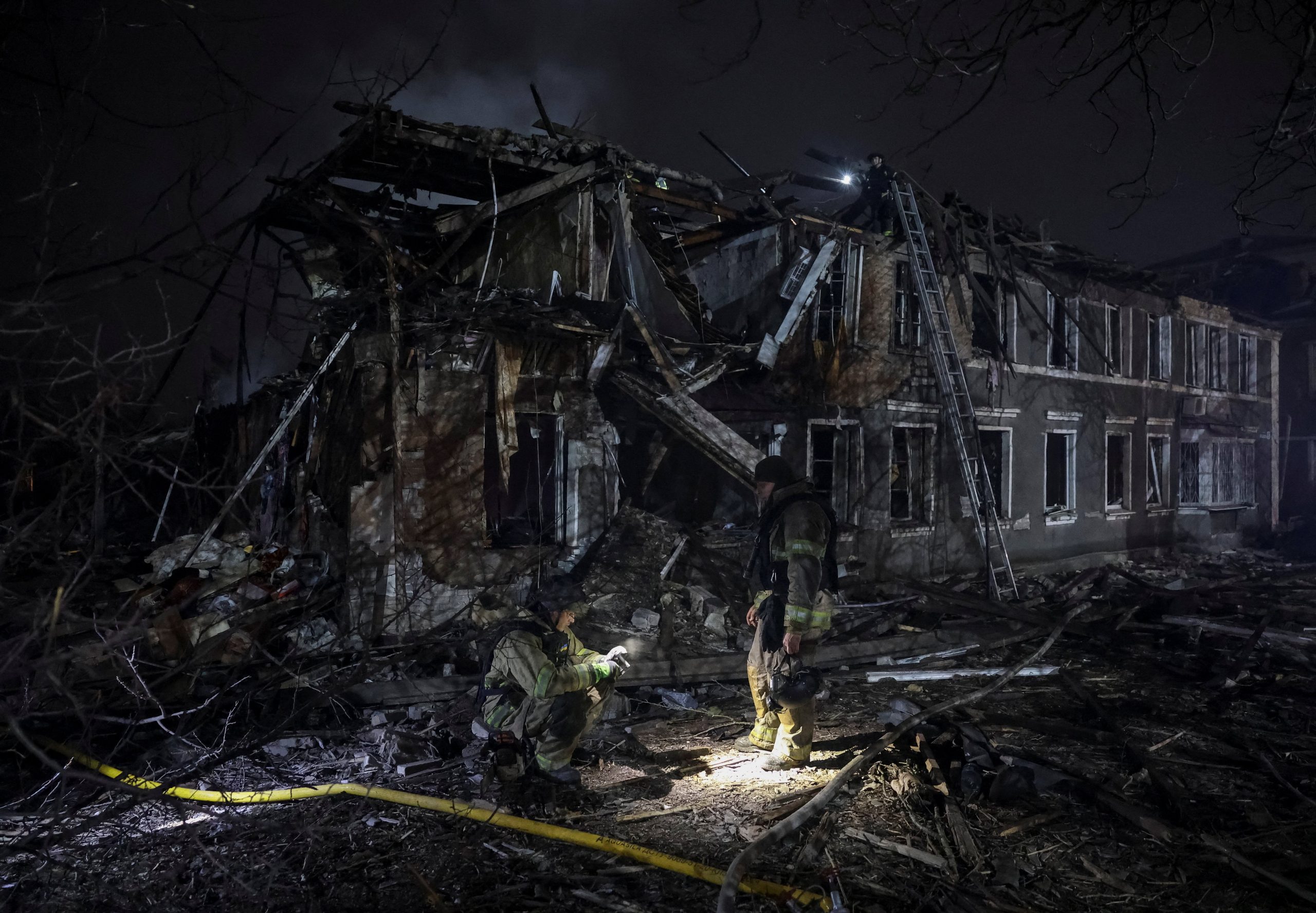
Belgium emerged as the primary dissenting voice, citing severe legal and financial implications. The nation, home to Euroclear, a central securities depository in Brussels that holds an estimated £160 billion of the frozen assets, fears that a successful legal challenge by Russia could leave it solely responsible for repaying the entire amount. Belgian officials have warned that such an outcome could lead to “bankruptcy” for the country, necessitating legally binding guarantees from other EU partners to share any potential liability.
Beyond Belgium, Italy, Malta, and Bulgaria also voiced significant reservations regarding the proposed use of the frozen assets. Italian Prime Minister Giorgia Meloni cautioned that proceeding without a robust legal foundation could inadvertently hand Moscow “the first victory since the start of the war,” legitimising Russia’s claims of theft. These nations advocate for exploring alternative mechanisms to support Ukraine, emphasising the need for prudence and adherence to international law.
Moscow has consistently issued stern warnings against any attempts to appropriate its frozen assets, characterising such actions as “theft” and vowing “the harshest reaction.” Russian Foreign Ministry spokesperson Maria Zakharova confirmed that preparations for a comprehensive package of countermeasures are actively underway, signalling a potential escalation of economic and diplomatic tensions should the EU proceed with the confiscation plan.
Despite the significant legal and financial hurdles, several EU member states, including Poland, Lithuania, Estonia, and Denmark, have passionately urged for swift action. Polish Prime Minister Donald Tusk starkly framed the dilemma, stating, “Now we have a simple choice – either money today or blood tomorrow,” extending the warning beyond Ukraine to the stability of Europe itself. Germany’s Friedrich Merz also supported the principle of equally dividing responsibility among EU members to overcome Belgium’s concerns.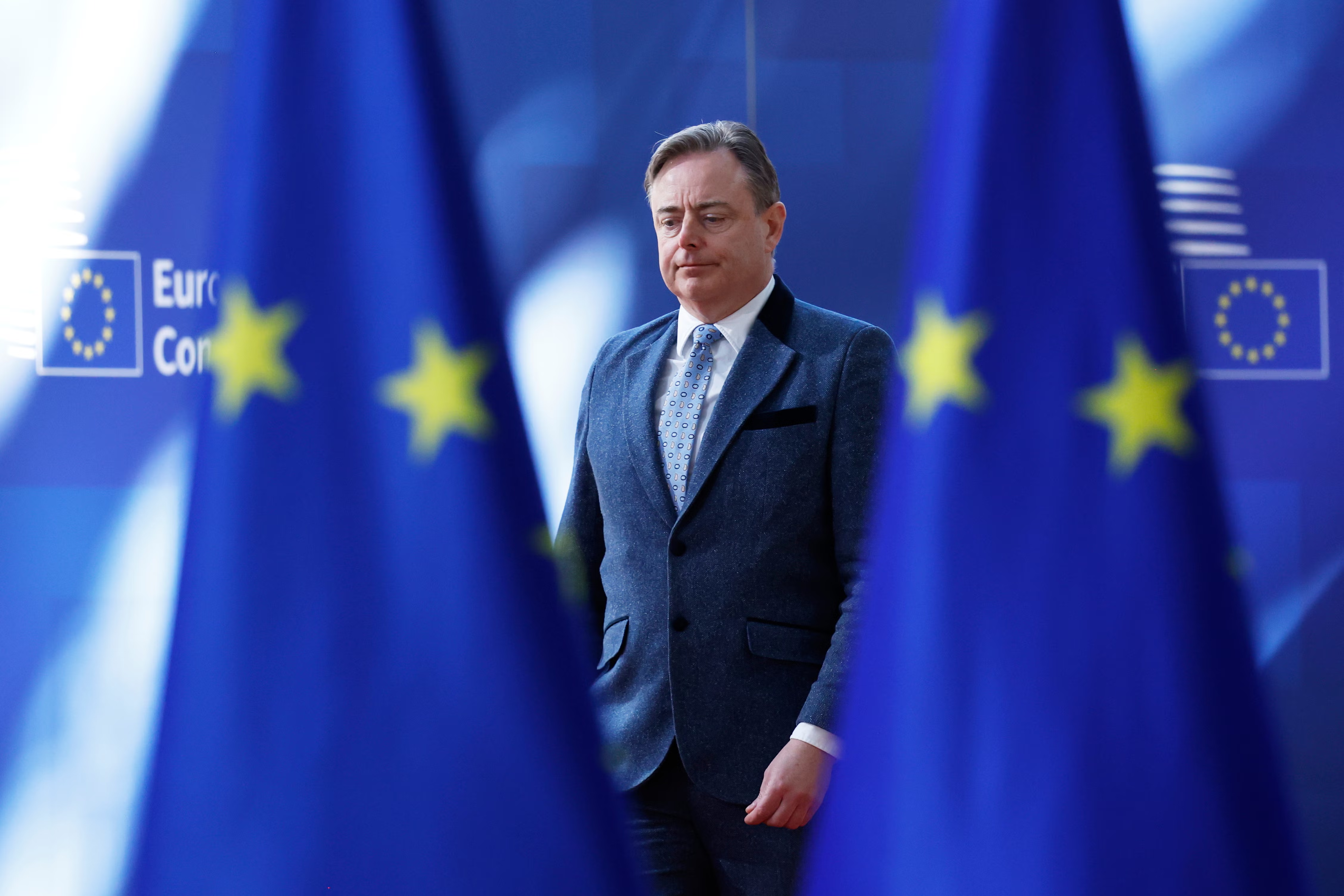
The United Kingdom, which holds approximately £25 billion in frozen Russian assets, has also been actively exploring options to utilise these funds for Ukraine’s benefit. Prime Minister Sir Keir Starmer recently signalled increasing pressure on Russian oligarchs, specifically warning Roman Abramovich about the impending transfer of £2.5 billion from the sale of Chelsea Football Club to support the Ukrainian people. Britain aims to coordinate its efforts with EU states, highlighting a broader Western desire to tap into these immobilised resources.
The divergence over the frozen assets underscores a critical ethical and strategic quandary for the European Union. While there is broad consensus on the imperative to support Ukraine against Russian aggression, the intricate web of international law, sovereign immunity, and potential retaliatory measures continues to complicate decisions regarding the direct appropriation of these funds. The debate remains unresolved, with leaders weighing the immediate needs of Ukraine against the long-term ramifications for global financial stability and legal precedent.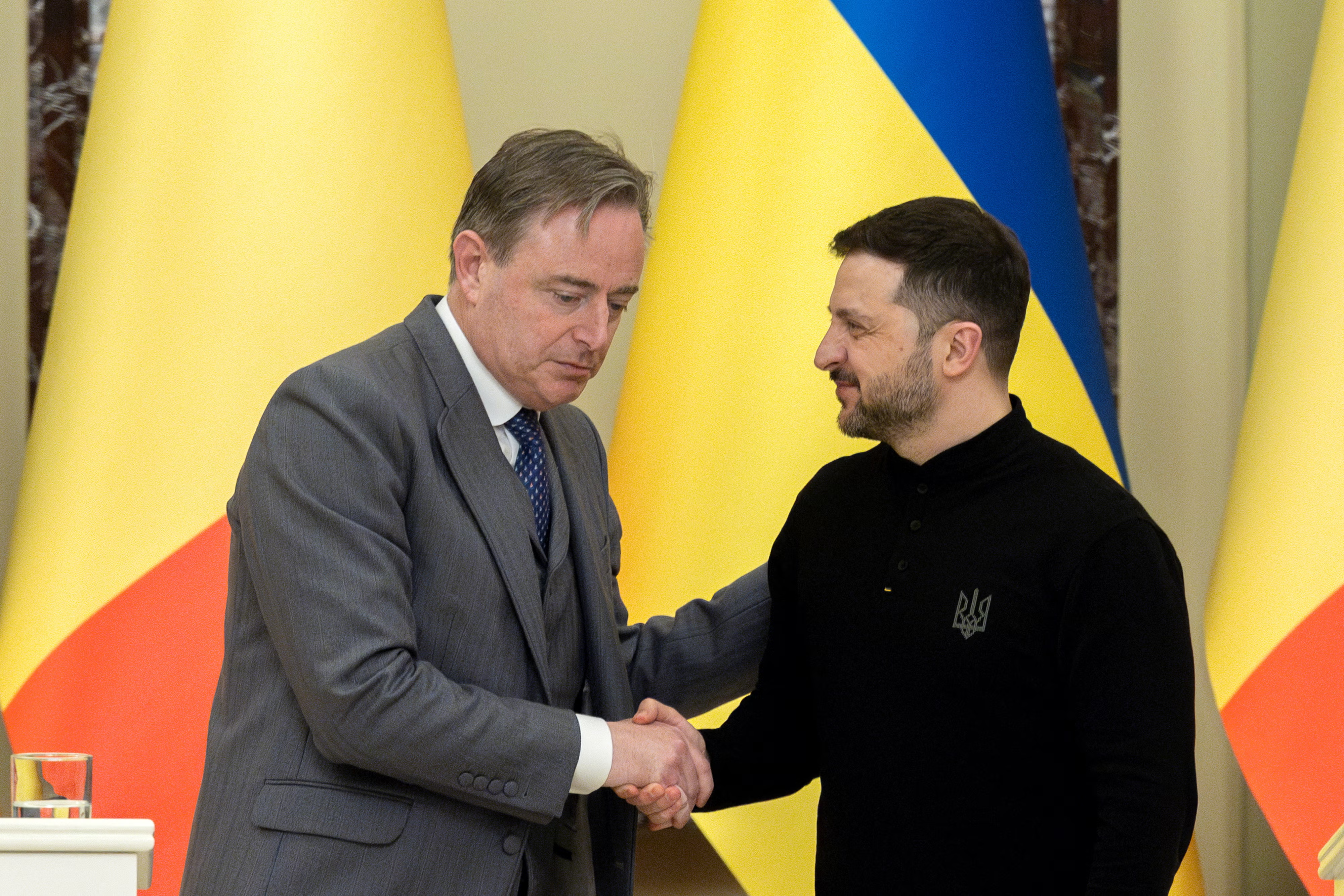



![[post_title]](https://samony.com.ng/wp-content/uploads/2025/12/VeryDarkMan-vows-to-sponsor-talented-boy-abroad-after-receiving-50000-300x150.jpg?lm=69450225 "Activist VeryDarkMan Funds Young Nigerian Inventor’s Overseas Education")

![[post_title]](https://samony.com.ng/wp-content/uploads/2025/12/1766128926_My-girl-is-wild-in-bed-but-I-worry-shes-300x158.jpg?lm=6944FD21 "Man Worries Girlfriend’s Intense Love May Be Obsession")


![[post_title]](https://samony.com.ng/wp-content/uploads/2025/12/1766131268_New-mum-Pixie-Lott-delivers-lots-more-music-1024x538.jpg?lm=69450648 "Pixie Lott’s Motherhood Journey Fuels New Music and Screen Ventures")


