

![[post_title]](https://samony.com.ng/wp-content/uploads/2025/12/1766127517_Ukraine-Russia-war-latest-EU-agrees-to-loan-Kyiv-E90bn-and.jpg?lm=6944F79D)
European Union leaders have agreed to provide Ukraine with a substantial €90 billion financial support package for 2026-2027, opting for a joint borrowing mechanism rather than the immediate direct use of frozen Russian assets. The decision, reached after a protracted 15-hour summit in Brussels, aims to secure Ukraine’s financial needs as it continues to defend against Russia’s full-scale invasion. This landmark agreement underscores the bloc’s commitment to Kyiv’s long-term resilience and stability.
The funding will be raised through joint borrowing by 24 of the EU’s 27 member states, excluding Czechia, Hungary, and Slovakia, although all members were required to consent to the plan due to its guarantee by the central EU long-term budget. This innovative approach allows Ukraine to receive a zero-interest loan, which leaders stated would only require repayment if Russia provides reparations at the war’s conclusion. The package is designed to cover Ukraine’s military and budgetary requirements for the specified two-year period.
The agreement notably sidelines an earlier proposal to directly finance the loan using some of the approximately €210 billion in Russian sovereign assets frozen across Europe, predominantly within the Belgian financial clearing house Euroclear. Strong objections from certain member states, particularly Belgium and Hungary, cited significant legal risks and potential adverse impacts on financial stability and Euroclear’s operations. Belgium had previously faced a lawsuit from Russia’s Central Bank concerning these assets.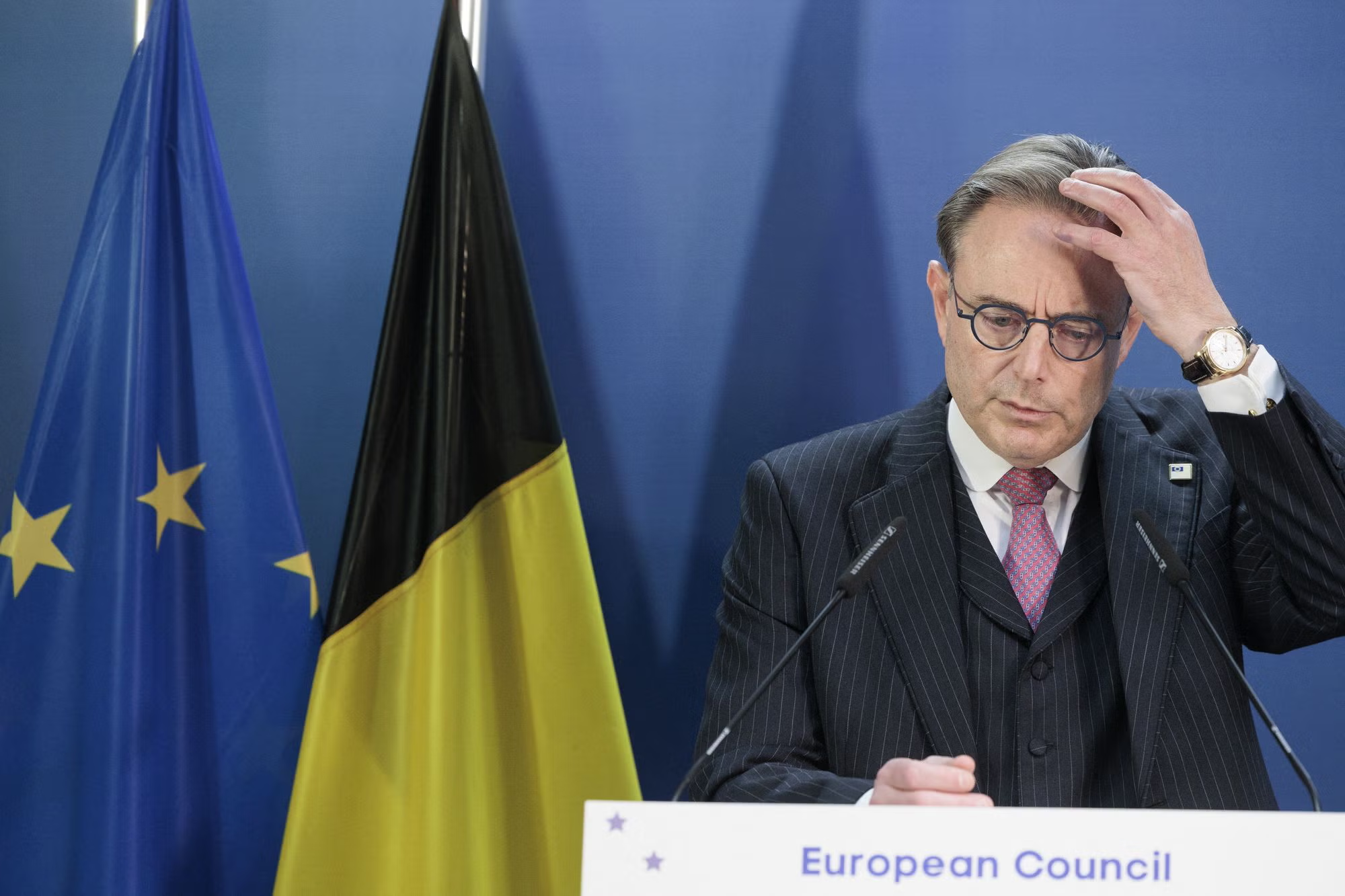
Ukrainian President Volodymyr Zelensky expressed profound gratitude for the EU’s decision, calling the €90 billion package “significant support that truly strengthens our resilience.” Writing on social media, President Zelensky emphasized that the agreement ensures financial security for his nation in the coming years. He also reiterated the critical importance of keeping Russian assets immobilized and called for a definitive decision on a reparations loan to ensure long-term predictability for Ukraine.
French President Emmanuel Macron lauded the deal as a “major advance” and the “most realistic and practical way” to fund Ukraine’s war efforts, describing the gathering as a “very good summit for Ukraine.” German Chancellor Friedrich Merz also hailed the financial package, confirming it would meet Ukraine’s needs for two years. He added that if Russia fails to pay reparations, the EU would, in full accordance with international law, utilise immobilised Russian assets to repay the loan.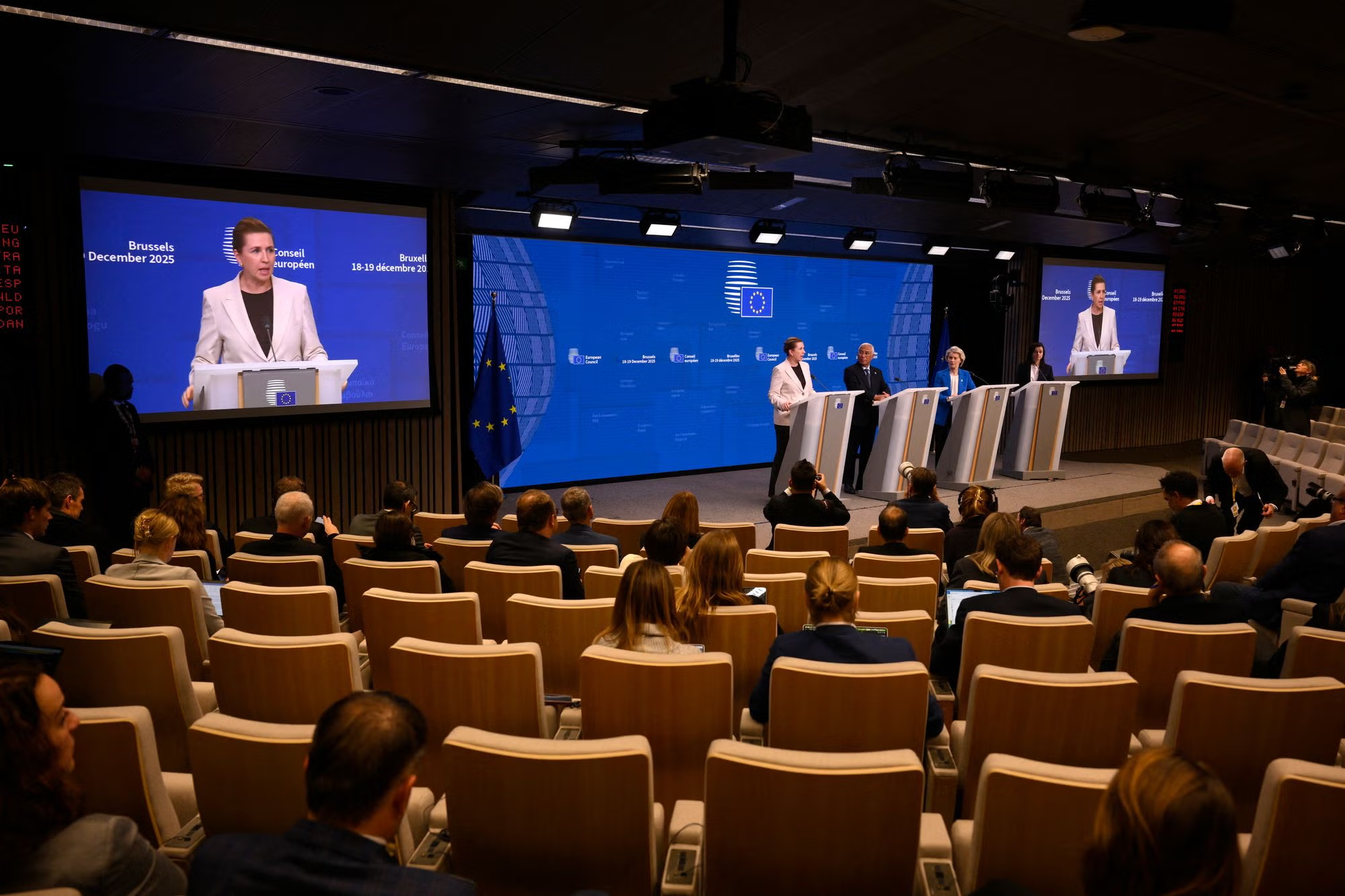
Belgian Prime Minister Bart De Wever, a prominent voice against the immediate use of frozen assets, welcomed the loan as a victory for Ukraine, Europe, and financial stability. He stated that the EU had successfully avoided “chaos and division” by reaching this consensus, preserving unity among member states. De Wever indicated a willingness to discuss the frozen assets plan again in the future, though he deemed fresh discussions in January unrealistic given the complexities.
The Kremlin, however, interpreted the EU’s decision as a significant setback for those advocating for the direct use of its frozen assets. Kirill Dmitriev, Russian President Vladimir Putin’s special envoy, declared that “law and sanity” had prevailed. He sharply criticised proponents of the plan, stating they had “burned political capital pushing illegal moves against Russia’s reserves—and FAILED,” celebrating what he perceived as the international community watching them fail.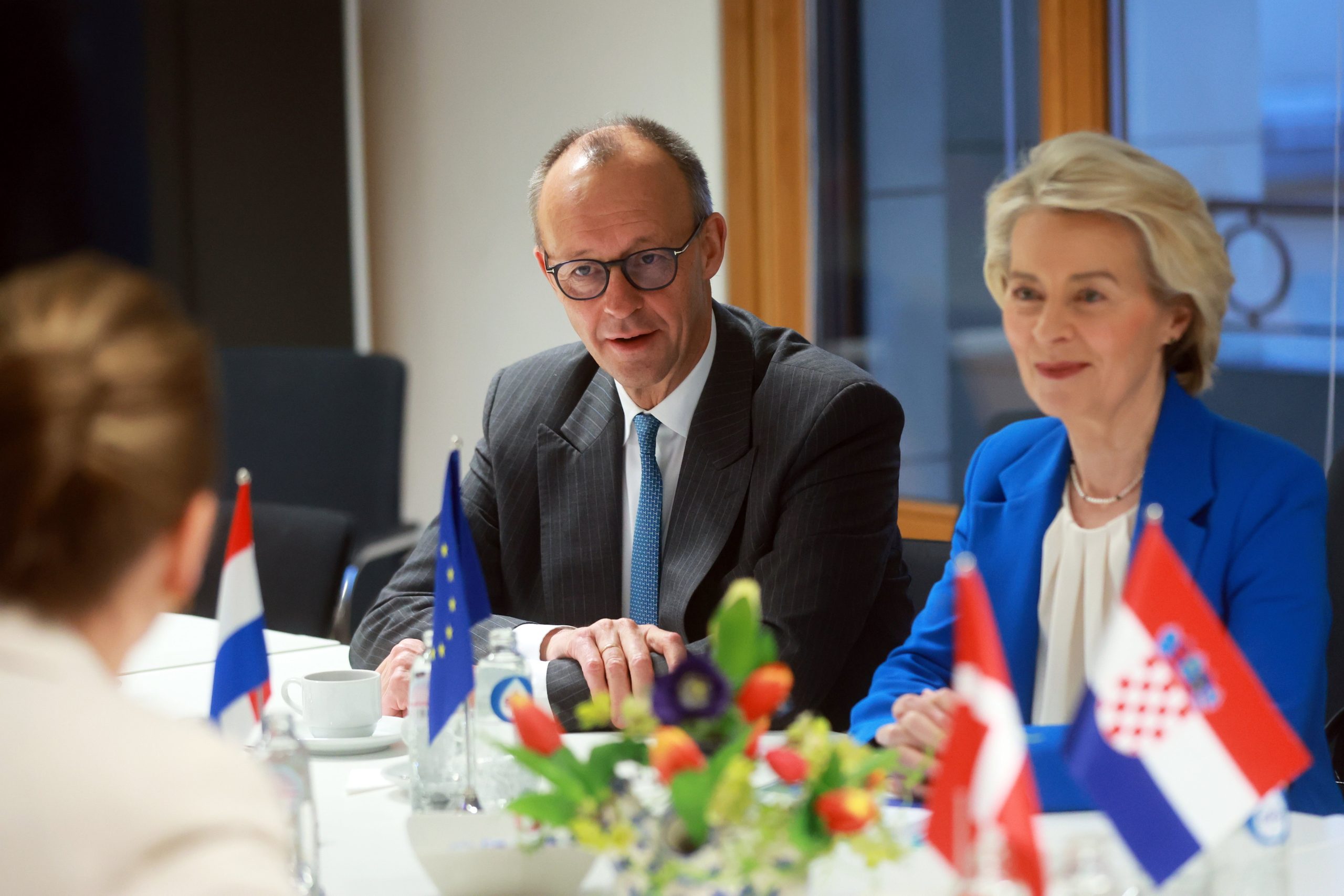
Looking ahead, President Macron suggested that it “will become useful” to speak with Russian President Vladimir Putin following the EU’s agreement. He stressed the necessity for Europeans and Ukrainians to establish a framework for direct discussions, asserting that peace talks should not be led solely by intermediaries between Moscow and Washington. This indicates a potential desire for renewed high-level diplomatic engagement from European capitals.
The EU’s decision to reserve the right to seize the €90 billion from the frozen Russian assets if Moscow declines to pay reparations highlights a strategic contingency plan. This mechanism ensures that while direct use is deferred, the frozen assets remain a powerful leverage point in any future peace settlement or reparation negotiations. The total estimated cost of Ukraine’s reconstruction, according to President Zelensky, exceeds €600 billion.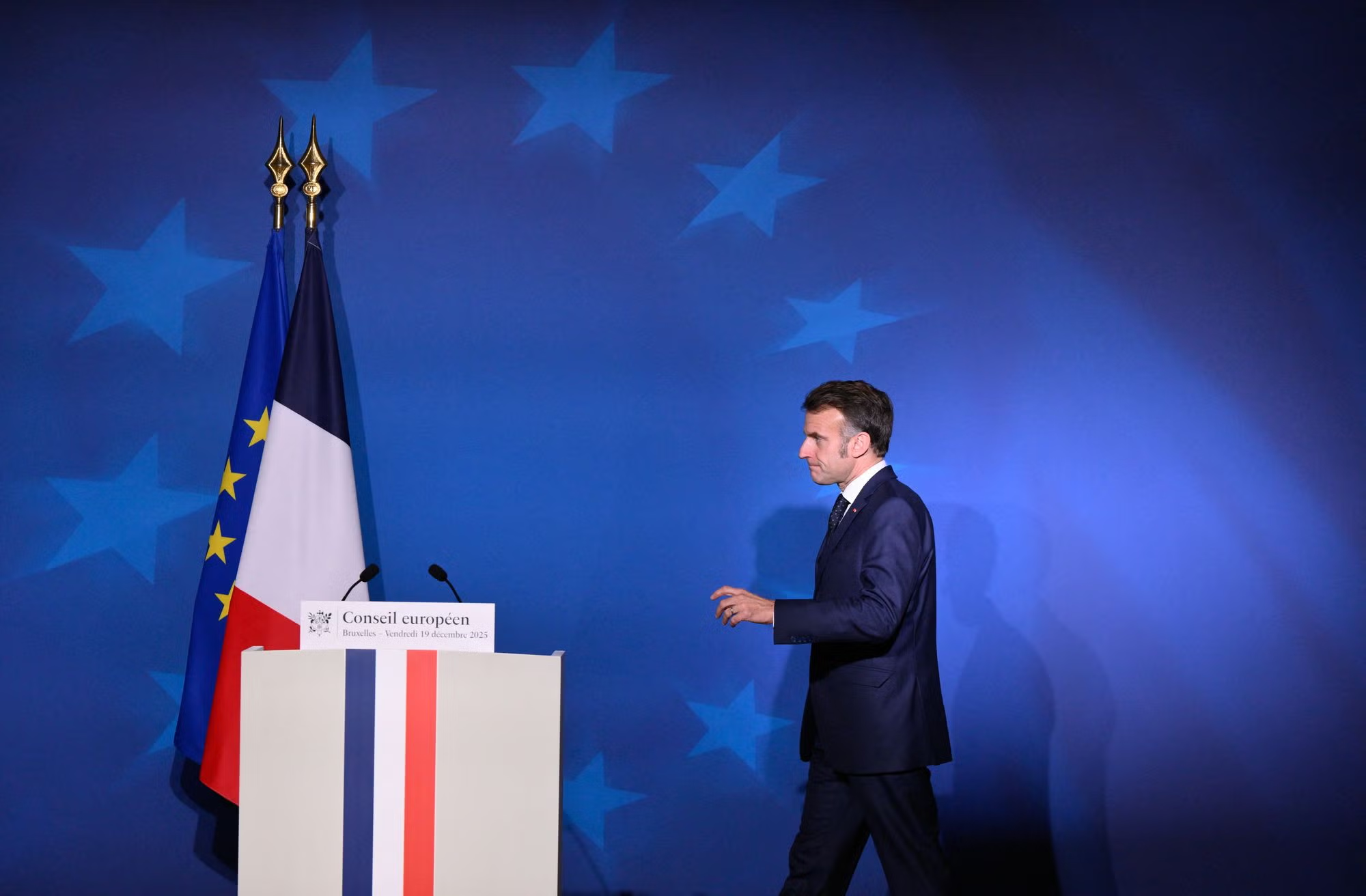

![[post_title]](https://samony.com.ng/wp-content/uploads/2025/12/Google-Search-Preferred-Sources-is-now-available-in-Canada-300x169.jpg?lm=6944F438 "Canadian Google Search Users Gain ‘Preferred Sources’ News Control")
![[post_title]](https://samony.com.ng/wp-content/uploads/2025/12/Man-Kills-Wife-and-Sister-in-Law-Before-Taking-Own-Life-After-279x300.jpeg?lm=6944F476 "Man Kills Wife, Sister-in-Law Then Himself After Facebook Threats")

![[post_title]](https://samony.com.ng/wp-content/uploads/2025/12/1766124132_At-APC-caucus-meeting-Tinubu-insists-councils-must-receive-funds-directly-300x225.jpg?lm=6944EA65 "Tinubu Urges Direct Funding for Local Councils, Backs State Police Bid")

![[post_title]](https://samony.com.ng/wp-content/uploads/2025/12/Police-Promotion-PSC-Elevates-DIG-AIGs-CPs-Others-After-Exams.jpg?lm=6944E5FD "Police Commission Promotes Senior Officers After Rigorous Assessments")


![[post_title]](https://samony.com.ng/wp-content/uploads/2025/12/Google-Search-Preferred-Sources-is-now-available-in-Canada-1024x576.jpg?lm=6944F439 "Canadian Google Search Users Gain ‘Preferred Sources’ News Control")
![[post_title]](https://samony.com.ng/wp-content/uploads/2025/12/Man-Kills-Wife-and-Sister-in-Law-Before-Taking-Own-Life-After.jpeg?lm=6944F475 "Man Kills Wife, Sister-in-Law Then Himself After Facebook Threats")
