

![[post_title]](https://samony.com.ng/wp-content/uploads/2025/12/1766119907_What-to-know-about-Epstein-files-release-as-the-deadline.jpg?lm=6944D9E3)
The U.S. Department of Justice is poised to release a substantial cache of documents related to its investigations into deceased financier and convicted sex offender Jeffrey Epstein and his associate Ghislaine Maxwell. This highly anticipated disclosure follows a congressional mandate, setting a deadline for the release of unclassified materials, including flight logs and references to potentially high-profile individuals. The move aims to enhance transparency surrounding the government’s handling of the complex and controversial case.
The directive requires the Justice Department to make public all unclassified documents, investigative materials, and internal communications gathered during probes into Epstein’s extensive network of alleged abuse. This includes records that could shed light on the identities of individuals connected to Epstein’s illicit activities, a key focus for lawmakers pushing for greater public accountability. The release is expected to occur imminently, as the deadline approaches.
Jeffrey Epstein, a multimillionaire financier, was accused of sexually abusing numerous young women and girls over decades. He died by suicide in a New York jail in 2019 while awaiting trial on federal sex trafficking charges. His long-time associate, Ghislaine Maxwell, is currently serving a 20-year prison sentence after her conviction for child sex trafficking and other related offenses, underscoring the severity of the crimes involved.
The impetus for this latest release stems from the “Epstein Files Transparency Act,” passed almost unanimously by Congress last month. This bipartisan legislation granted the Department of Justice approximately 30 days to compile, redact, and disseminate the voluminous trove of documents. Despite initial resistance from the Trump administration, the bill ultimately garnered presidential approval amidst significant public pressure, including from survivors of Epstein’s abuse and members of his own political base.
While the full extent of the new information remains uncertain, given the government’s broad discretion to redact sensitive details, the documents could offer fresh insights into investigative strategies and potential unpursued charges against Epstein. However, the Act also permits Attorney General Pam Bondi to withhold information that could identify victims, disclose medical files, or invade personal privacy. Material depicting sexual abuse, death, or physical injury, alongside anything jeopardizing ongoing federal investigations or national security, is also subject to redaction.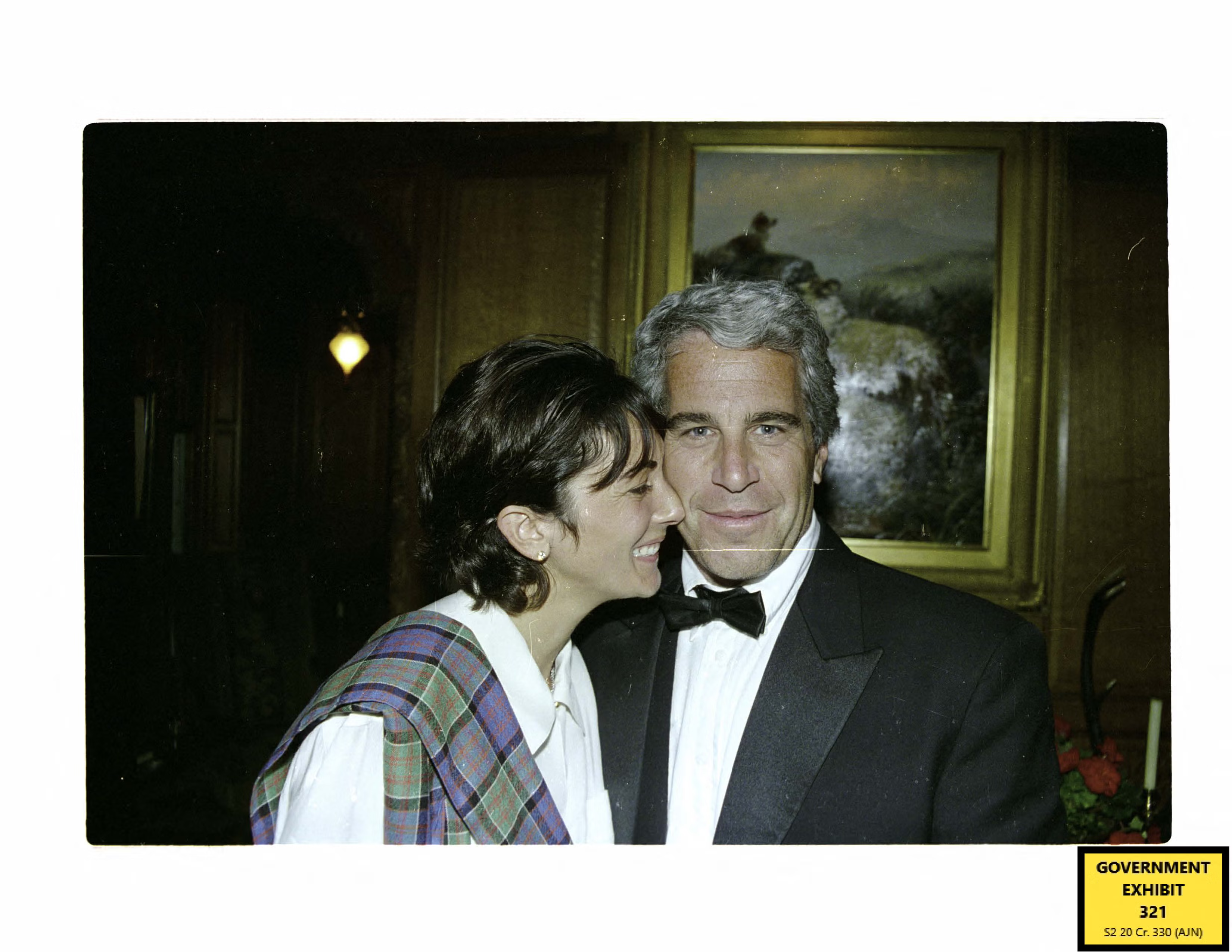
A judge overseeing the release of grand jury materials in Maxwell’s case previously cautioned that these documents alone might offer “next to nothing new.” The judge specified that such materials typically do not identify perpetrators beyond Epstein and Maxwell, discuss Epstein’s alleged clients, or reveal unknown methods of their crimes or additional locations where offenses occurred. This suggests that while the volume of documents is significant, the novelty of the revelations may be constrained.
Epstein was the subject of federal investigation on two separate occasions. The first, in Florida in 2006, saw him indicted, but then-U.S. Attorney Alex Acosta controversially arranged a non-prosecution agreement. This deal allowed Epstein to plead guilty to two state charges, serve a relatively short prison sentence, and register as a sex offender, in exchange for federal charges being dropped – a decision that later drew widespread criticism and scrutiny.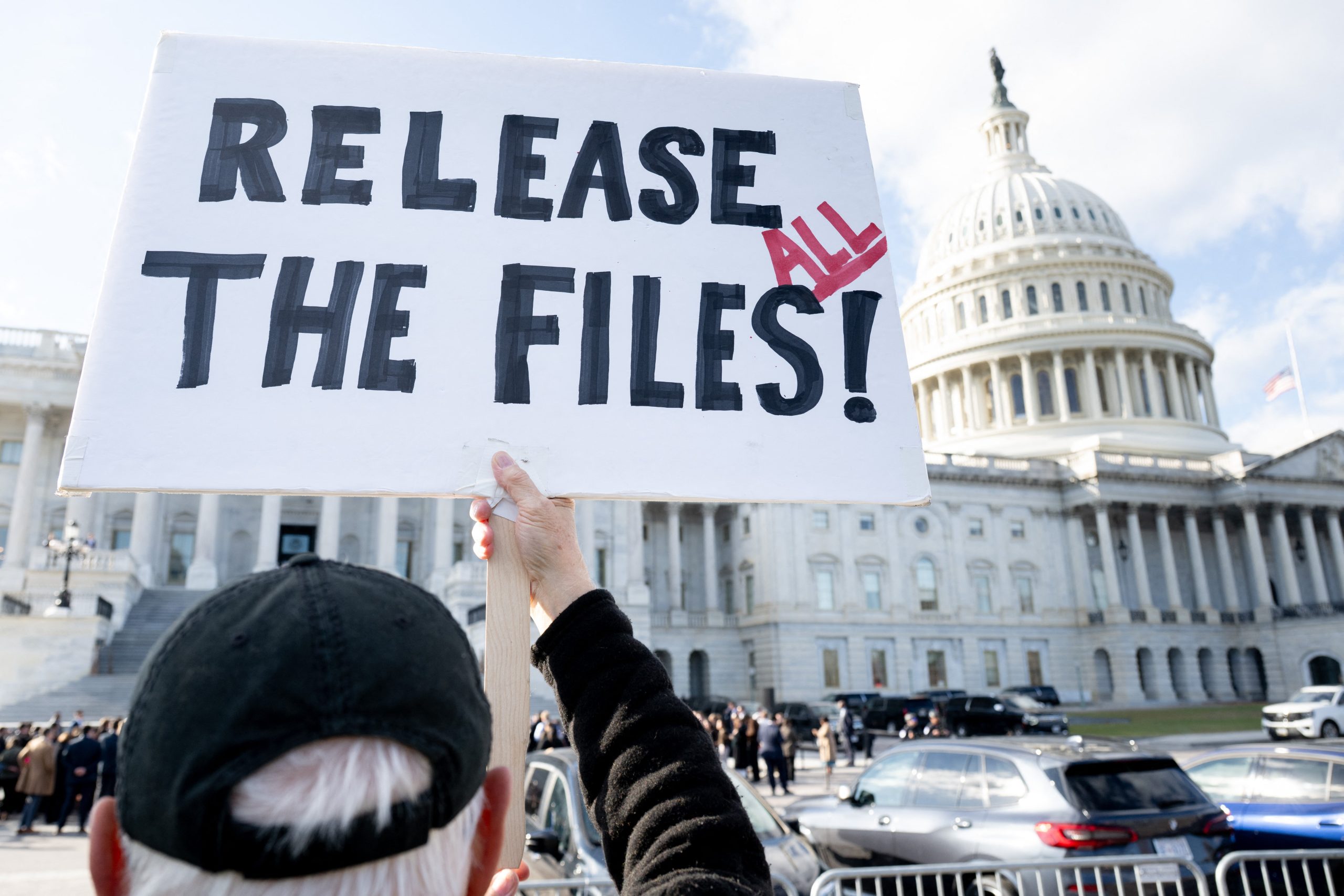
The second investigation culminated in a 2019 federal sex trafficking indictment in New York, leading to Epstein’s arrest. Tragically, he died in custody before facing trial, leaving many questions unanswered and denying victims their day in court. Judges in both Florida and New York have since approved the release of grand jury materials pertinent to the indictments against Epstein and Maxwell.
It is important to note that a substantial amount of information regarding Epstein’s crimes and associates has already entered the public domain. This includes police reports, state grand jury records, flight logs, Epstein’s infamous address book, and interviews with his employees, much of which became public through civil and criminal lawsuits or Freedom of Information Act requests. The 2021 federal sex trafficking trial of Ghislaine Maxwell also unveiled considerable details, leading to her conviction.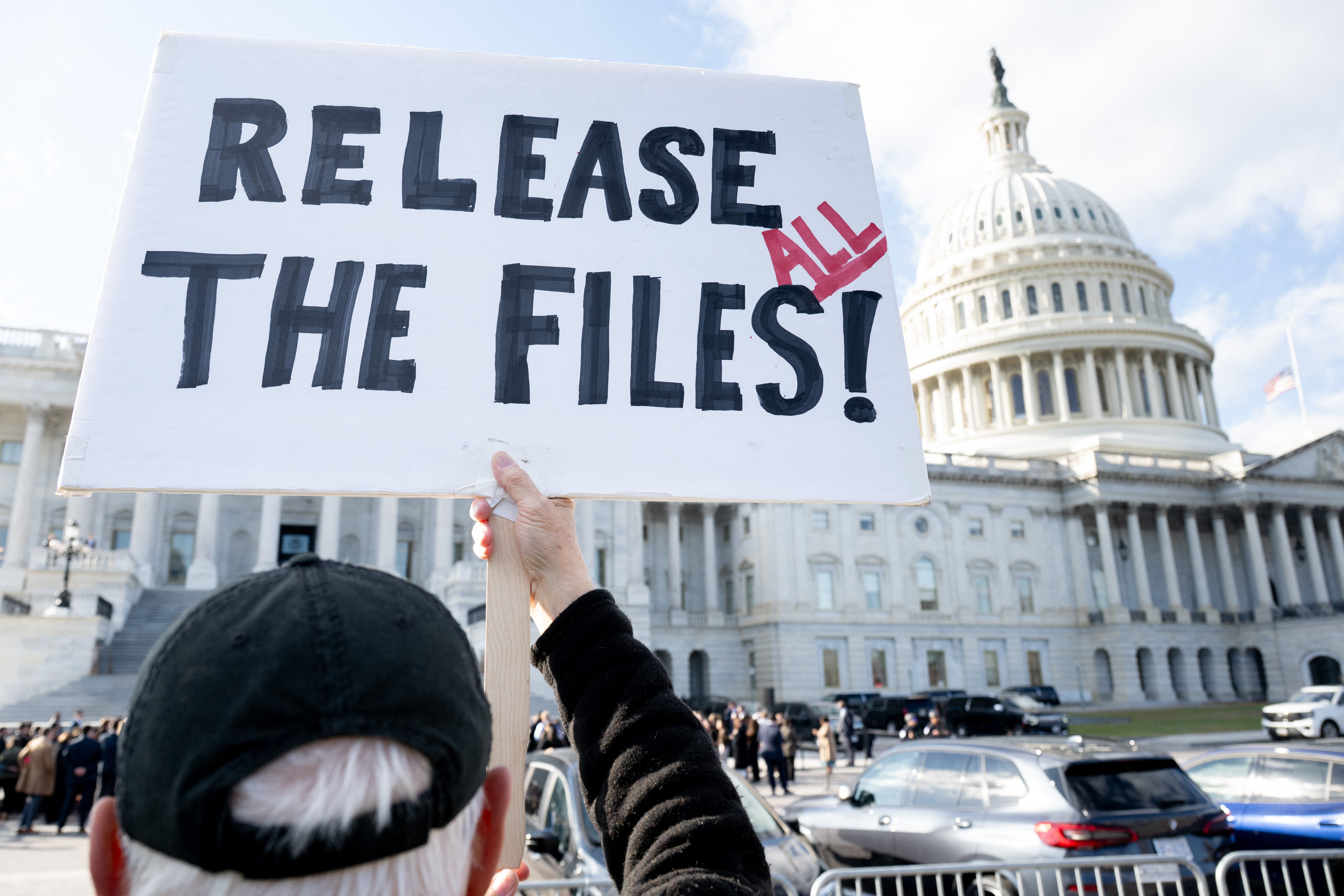
Earlier this year, the Justice Department released surveillance footage from the Manhattan correctional facility where Epstein died, though a noticeable one-minute segment was missing, attributed by officials to a system error. Furthermore, House Democrats on the Oversight Committee have previously released photographs depicting Epstein’s private island estate and images of him alongside high-profile figures, including former Presidents Donald Trump and Bill Clinton. It is crucial to reiterate that mere appearance in these files or images does not inherently imply wrongdoing on the part of these individuals.

![[post_title]](https://samony.com.ng/wp-content/uploads/2025/12/Reps-Raises-Campaign-Spending-Limits-For-2027-Elections-Presidential-Candidates.jpg?lm=69451FAD "Nigerian Lawmakers Raise 2027 Election Spending Limits to ₦10 Billion")
![[post_title]](https://samony.com.ng/wp-content/uploads/2025/12/1766137230_Grifin-Review-Invest-Where-You-Shop-300x157.jpg?lm=69451D8F "Grifin: How Daily Purchases Drive Automated Stock Investments")
![[post_title]](https://samony.com.ng/wp-content/uploads/2025/12/Baddies-are-the-one-winning-good-girls-are-losing-300x150.jpg?lm=69451EC4 "Viral Debate: Are Assertive Women Thriving More Than Traditional Peers?")
![[post_title]](https://samony.com.ng/wp-content/uploads/2025/12/1766136220_Man-with-worlds-biggest-penis-challenges-men-to-outdo-his-300x158.jpg?lm=6945199E "London Man Claims World’s Largest Medically Verified Penis")

![[post_title]](https://samony.com.ng/wp-content/uploads/2025/12/1765557443_Epstein-files-live-updates-New-photos-from-personal-collection-show.jpeg?lm=693C44C3 "DOJ Confronts Deadline for Release of Thousands of Epstein Files")

![[post_title]](https://samony.com.ng/wp-content/uploads/2025/12/1766138506_French-police-raid-culture-ministers-home-as-part-of-corruption.jpg?lm=6945228A "French Culture Minister Rachida Dati Raided in Corruption Probe")
![[post_title]](https://samony.com.ng/wp-content/uploads/2025/12/1766138574_BBC-presenter-dubs-Tommy-Fury-influencer-like-Jake-Paul-instead-1024x538.jpg?lm=694522D0 "Amol Rajan Labels Tommy Fury “Influencer” Amid Crossover Boxing Boom")
![[post_title]](https://samony.com.ng/wp-content/uploads/2025/12/1766137230_Grifin-Review-Invest-Where-You-Shop-1024x536.jpg?lm=69451D8F "Grifin: How Daily Purchases Drive Automated Stock Investments")
