

![[post_title]](https://samony.com.ng/wp-content/uploads/2025/12/1766077454_Why-NFL-stars-will-stick-with-dry-needling-despite-TJ-1024x682.jpg?lm=69443410)
Pittsburgh Steelers star T.J. Watt, the 2021 NFL Defensive Player of the Year, faces an indefinite period on the sidelines following surgery for a partially collapsed lung. The serious injury occurred during a routine dry needling procedure, casting a critical spotlight on a prevalent therapeutic practice widely utilized by athletes across the National Football League. This incident has prompted renewed scrutiny regarding the safety and efficacy of a treatment often considered fundamental to player pain management and recovery.
Dry needling involves the insertion of fine, sterile needles into specific muscle “trigger points”—areas characterized by tightness or tenderness—by trained physical therapists or acupuncturists. The technique aims to alleviate pain and enhance range of motion by stimulating blood flow, reducing muscle tension, and promoting the release of natural pain-relieving endorphins. It differentiates itself from traditional injections by not introducing any medication, hence the term “dry.”
Despite Watt’s significant setback, numerous NFL players express their intent to continue with dry needling, highlighting its perceived benefits. Arizona Cardinals tight end Trey McBride, a frequent user, acknowledged the inherent risks associated with any medical treatment but stated, “It’s something I do frequently. I’ve never had an issue like that.” This sentiment reflects a calculated acceptance of risk among athletes accustomed to intense physical demands.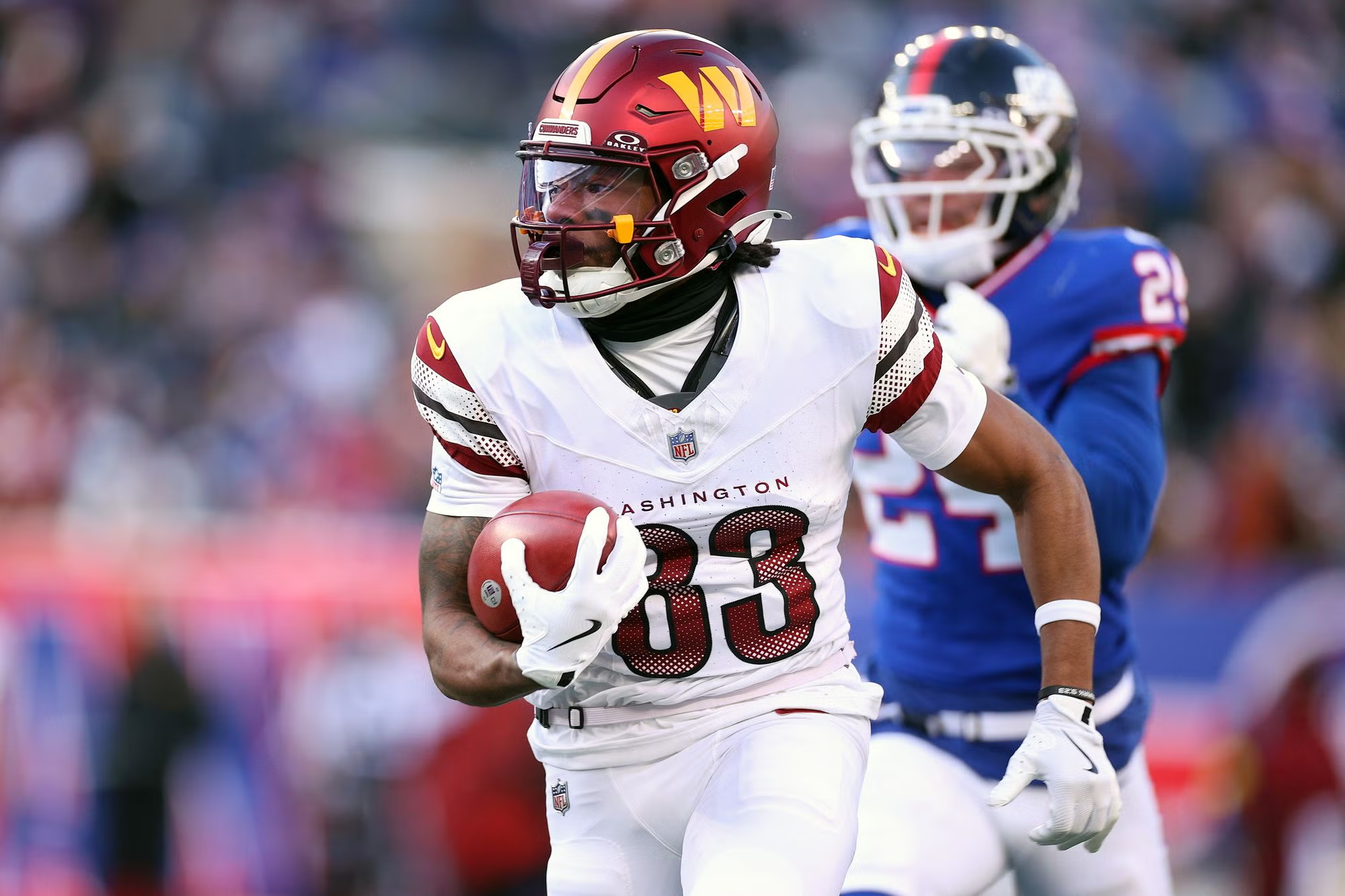
Chicago Bears centre Drew Dalman, who undergoes the procedure up to ten times annually, described a “systemic reaction” that effectively draws blood flow to targeted areas, likening its mechanism to “classic acupuncture muscle tension effect.” New York Giants linebacker Bobby Okereke further elaborated on its direct impact, noting, “It just releases tight muscles… it helps release some of the fascia, too. It can kind of give you like a targeted trigger-point release where massage might not be able to get the muscle to release or different stretching techniques might not.”
For larger players like Baltimore Ravens defensive lineman John Jenkins, a 360-pound veteran, dry needling is crucial for maintaining mobility. He relies on weekly lower extremity sessions to “loosen up a lot of muscles that are pretty much tense,” adding, “I’m a bigger person, right? So whatever helps me to loosen the muscles, I’m going to pursue that.” Atlanta Falcons offensive lineman Kyle Hinton, while aware of Watt’s injury, maintains trust in his medical professionals, attributing such incidents to unforeseen circumstances.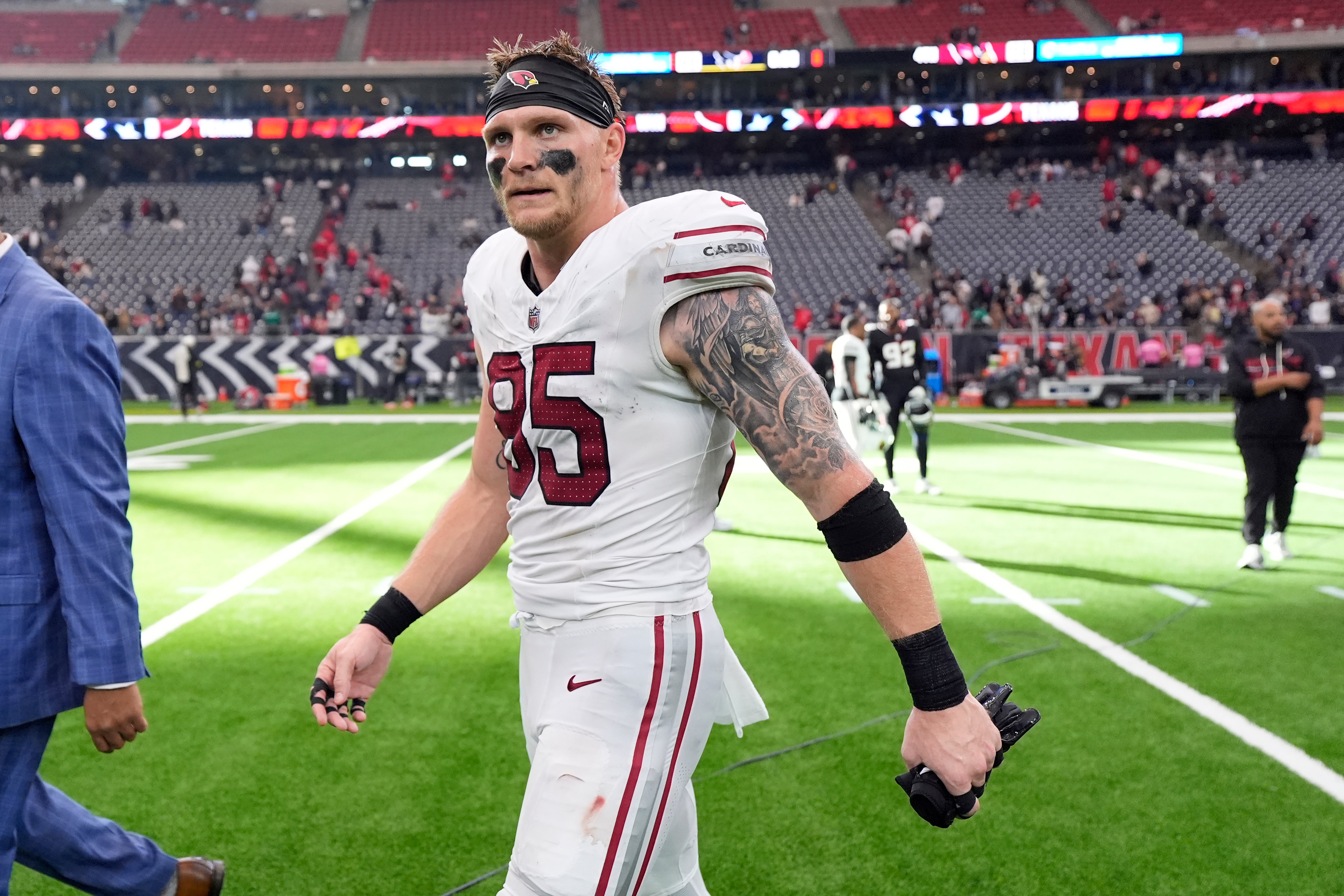
However, not all players approach dry needling without reservations. Washington Commanders guard Sam Cosmi, who has used the treatment since college, described the sensation as a “bite” and resorts to it only “when I have to do it. It’s not my favourite thing.” This indicates a degree of discomfort, even among those who find it effective.
Cosmi, alongside Tennessee Titans centre Lloyd Cushenberry and Commanders receiver Jaylin Lane, exercise particular caution regarding where on their bodies they receive treatment, often limiting it to lower extremities and strictly avoiding the torso. Cushenberry, who experienced some relief for a calf issue but questioned its broader effectiveness, preferring to keep it to his legs. Lane openly admitted that Watt’s injury made him “nervous,” underscoring a heightened awareness of potential complications.
Dry needling techniques vary significantly, ranging from superficial insertions into the skin’s bottom layer to deep penetration of muscle tissue, and even a “pistoning” method involving rapid needle movement. While approved in 37 U.S. states and Washington, D.C., the training and certification standards for practitioners can differ substantially across jurisdictions. Notably, Pennsylvania, the state where Watt’s incident occurred, currently holds no explicit legal stance on the practice.
The severe injury sustained by T.J. Watt serves as a potent reminder of the inherent, albeit rare, risks associated with even seemingly routine medical procedures. For NFL players, who constantly push their bodies to extreme limits, dry needling remains a critical, carefully considered component of their comprehensive pain management and recovery strategies. Its continued widespread use underscores a calculated balance between its acknowledged potential benefits and the occasional, serious dangers it presents within the high-stakes world of professional sports.

![[post_title]](https://samony.com.ng/wp-content/uploads/2025/12/1766077508_Simon-Cowell-shares-theory-about-son-Erics-conception-as-it-300x158.jpg?lm=69443446 "Simon Cowell Reflects on Destiny, Fatherhood, and Industry Challenges")

![[post_title]](https://samony.com.ng/wp-content/uploads/2025/12/1766076713_How-To-Invest-in-the-Stocks-That-Move-the-Market-300x202.png?lm=6944312C "The Magnificent Seven: Navigating Tech Giants’ Market Dominance")
![[post_title]](https://samony.com.ng/wp-content/uploads/2025/12/1766076844_Nancy-Isime-Marks-34th-Birthday-with-Heartwarming-Childrens-Party-Tradition-300x300.jpeg?lm=694431AE "Nancy Isime Celebrates 34th Birthday with Joyful Children’s Party")



![[post_title]](https://samony.com.ng/wp-content/uploads/2025/12/Shock-as-Nairobi-Man-Caught-Wife-Red-Handed-With-Baby.jpeg?lm=694433C8 "Nairobi Relationship Dilemma: Wife Leaves Husband for Child’s Father")
![[post_title]](https://samony.com.ng/wp-content/uploads/2025/12/1766077508_Simon-Cowell-shares-theory-about-son-Erics-conception-as-it-1024x538.jpg?lm=69443446 "Simon Cowell Reflects on Destiny, Fatherhood, and Industry Challenges")

