

![[post_title]](https://samony.com.ng/wp-content/uploads/2025/12/1766065672_2025-was-the-beginning-of-the-end-of-the-TV-1024x532.jpg?lm=69440609)
The television industry’s relentless pursuit of brightness reached a significant turning point in 2025, with major advancements in both OLED and Mini-LED display technologies. This year saw the introduction of the first consumer-ready televisions capable of achieving 5,000 nits of peak brightness under specific conditions, alongside groundbreaking innovations in panel composition. Experts suggest this period could signal a new phase in the so-called “brightness war,” prompting critical questions about the practical necessity and optimal utilization of extreme light output.
A substantial leap occurred in OLED technology with LG Display’s introduction of Primary RGB Tandem panels. This innovative four-stack design, moving beyond the previous three-stack configuration, significantly enhances potential light output to claimed levels of 4,000 nits while also improving color purity. This technology debuted in high-profile models such as the LG G5, Panasonic Z95B, and specific Philips OLED offerings, marking a pivotal moment for OLED’s luminosity capabilities.
Simultaneously, Mini-LED displays continued their rapid evolution, with manufacturers like TCL and Hisense pushing performance to unprecedented levels. Building on innovations seen in prior years, these companies further increased peak brightness and made critical improvements in backlight control. Efforts focused on minimizing the inherent drawback of LED TVs – light blooming – by expanding local dimming zones and reducing the optical distance between the backlight and the screen, thus enhancing black level performance closer to that of OLEDs.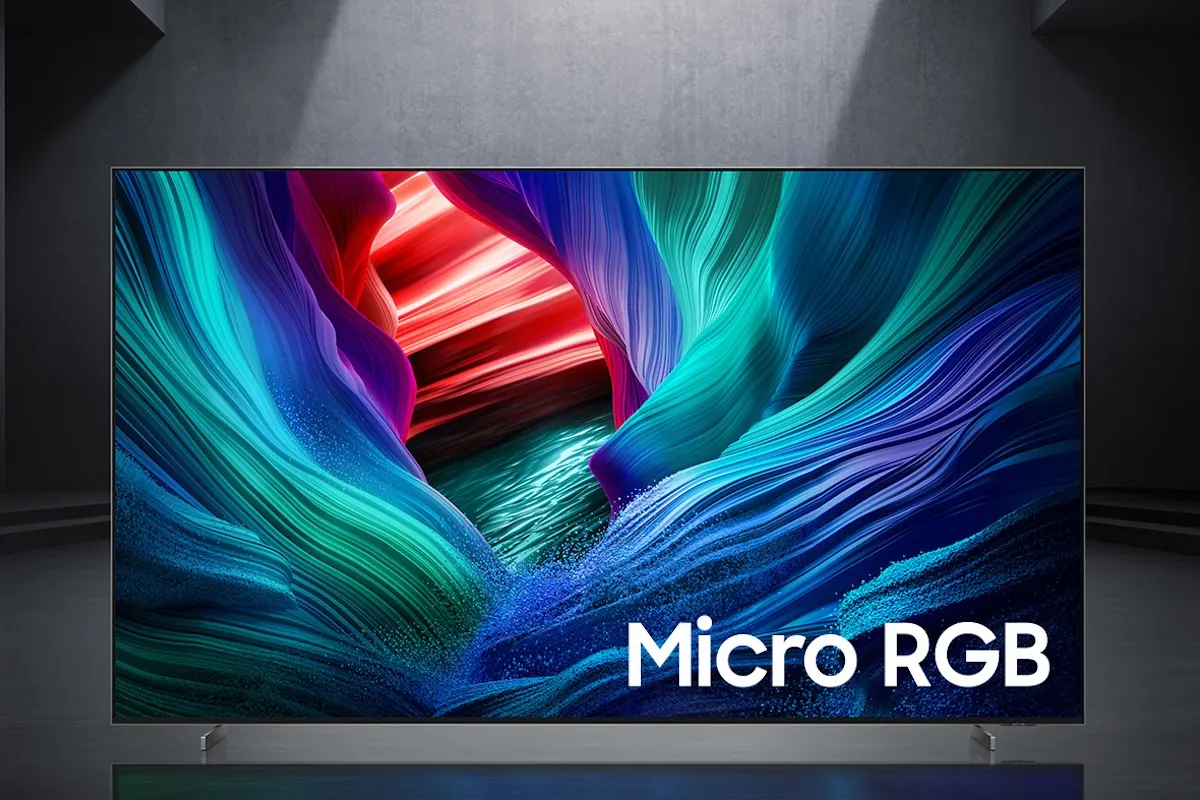
Adding another dimension to the display landscape, 2025 witnessed the emergence of a new generation of RGB Mini-LED technology in the consumer market. Unlike traditional Mini-LEDs that use white or blue LEDs with quantum dots, this advanced approach employs individual red, green, and blue LED backlights. Hisense showcased its RGB Mini-LED at CES, while TCL announced its Q10M model for release in China. Samsung also presented its version, termed micro-RGB, featuring even smaller individual backlights, promising exceptional brightness and vibrant color reproduction.
Despite the immense potential for superior image quality offered by these new RGB Mini-LED and micro-RGB technologies, their current iteration comes with substantial manufacturing challenges and processing requirements. This complexity translates into significantly higher costs, with initial models ranging from $12,000 to $30,000 depending on manufacturer and size. However, industry observers anticipate further developments and potentially more accessible options, including smaller screen sizes, in the near future.
These technological breakthroughs provoke an important discussion regarding the practical benefits of ever-increasing brightness. While higher luminosity can improve visibility in brightly lit environments, excessively bright displays in darker settings may lead to viewer discomfort. The question arises whether pushing beyond current HDR mastering levels, which typically cap at 4,000 nits, truly enhances the viewing experience or merely serves as a marketing metric.
Drawing parallels to the audio industry’s “loudness war” – where excessive compression sacrificed dynamic range for sheer volume – there is a growing concern that an overemphasis on brightness could similarly detract from visual nuance. Just as sound that is loud for loudness’s sake can diminish a recording, an image that is bright purely for the sake of brightness risks becoming visually harsh and less engaging, potentially sacrificing subtle details and dynamic range.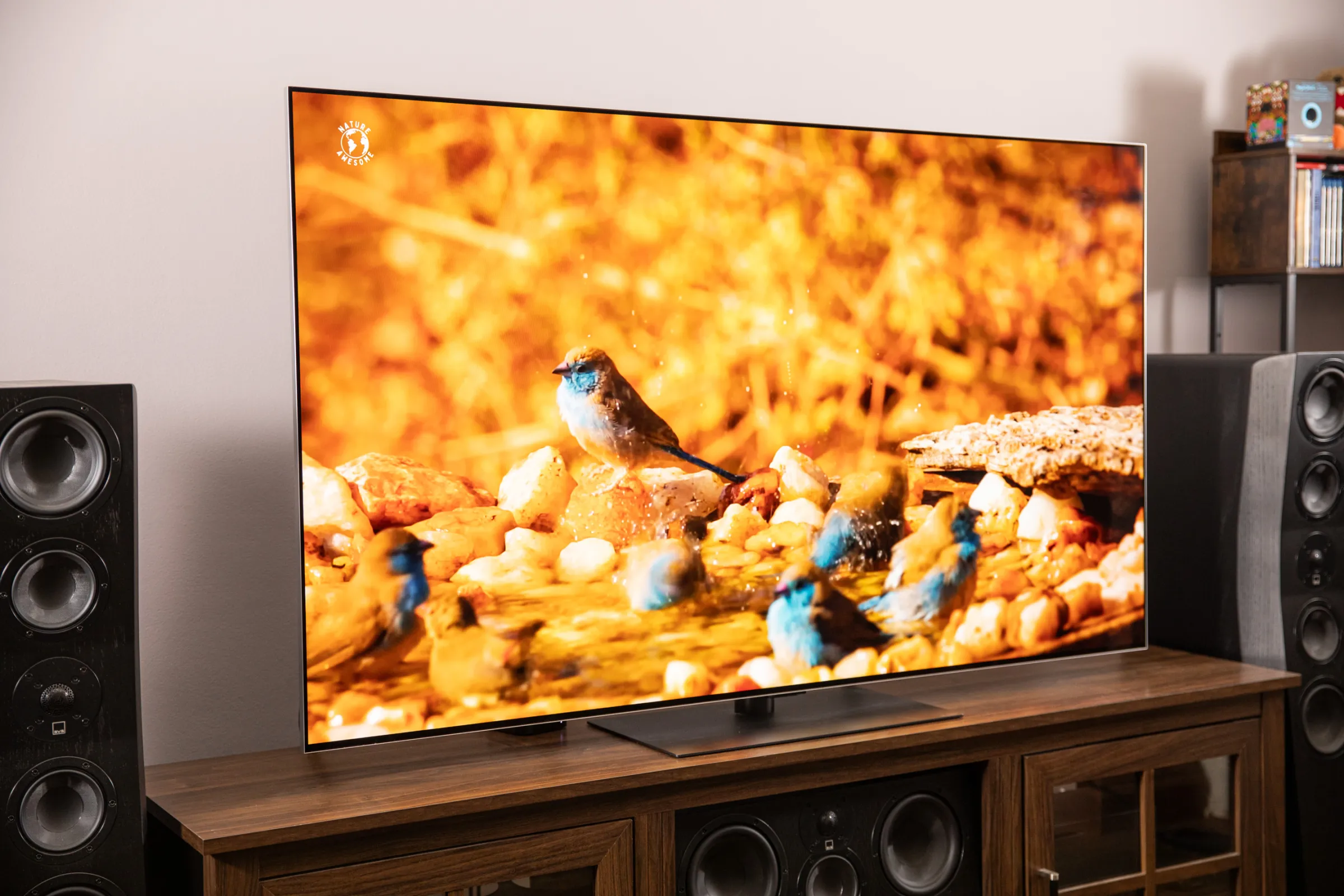
Ultimately, the true measure of a television’s quality in this new era of intense brightness will hinge not on its peak nit count, but on its ability to intelligently manage and process light. The focus must shift from merely achieving higher numbers to effectively leveraging brightness to create a dazzling, nuanced, and truly immersive visual experience that captivates and entertains viewers, rather than overwhelming them with raw light output.



![[post_title]](https://samony.com.ng/wp-content/uploads/2025/12/1766063214_Strava-fires-Shireen-Afkari-after-violent-restaurant-attack-goes-viral.png?lm=6943FC6E "Strava Employee Fired Following Viral San Francisco Restaurant Incident")
![[post_title]](https://samony.com.ng/wp-content/uploads/2025/12/Saudi-Arabia-vs-United-Arab-Emirates-LIVE-Score-Updates-second-300x169.png?lm=6943FDE1 "Saudi Arabia vs UAE: Battle for Bronze in FIFA Arab Cup Playoff")
![[post_title]](https://samony.com.ng/wp-content/uploads/2025/12/1766063130_2027-ADC-begins-membership-mobilisation-eyes-Delta-government-house-300x225.jpg?lm=6943FC1B "ADC Aims for Delta Government House in 2027 Polls")

![[post_title]](https://samony.com.ng/wp-content/uploads/2025/12/Drama-as-event-planner-blocks-bride-from-attending-wedding-over-1024x512.jpg?lm=694406E8 "Wedding Day Confrontation: Bride Blocked Over Unpaid Planner Fees")

