

![[post_title]](https://samony.com.ng/wp-content/uploads/2025/12/1766047696_Good-Morning-Britain-hosts-halt-show-to-share-heartbreaking-news-1024x538.jpg?lm=6943BFD3)
A British family has initiated a landmark legal challenge against Meta, the parent company of Instagram, following the tragic death of their 16-year-old son, Murray Dowey. Murray took his own life in December 2023 after becoming a victim of online sextortion. His parents, Ros and Mark Dowey, are now alleging that Meta prioritised its commercial interests over the safety and well-being of its young users, thereby failing to implement essential protective measures that could have averted the devastating incident. This unprecedented legal action in the UK, highlighted by ITV’s Good Morning Britain, seeks to hold the tech giant accountable for its platform’s alleged role in their son’s untimely demise.
The incident unfolded when Murray Dowey, residing in Dunblane, Scotland, was lured into exchanging intimate images. He genuinely believed he was communicating with a teenage girl of a similar age. Unbeknownst to him, he was interacting with a sophisticated criminal gang. Once the images were obtained, the perpetrators revealed their true identity and subjected Murray to intense blackmail. The immense pressure and distress resulting from this digital exploitation tragically led Murray to take his own life, leaving his family grappling with profound grief and a determination for justice.
Ros and Mark Dowey contend that Meta, a corporation valued in the trillions, bears significant responsibility for their son’s death. They argue the company possessed ample knowledge regarding the pervasive risks of online predatory behaviour, particularly targeting minors, and had access to the technological infrastructure necessary to deploy robust safety features. The Dowey family’s legal representation asserts that Meta’s alleged negligence and failure to act on these known vulnerabilities directly contributed to Murray’s suicide. This case is widely regarded as the first of its kind in the UK to directly sue a major social media platform over a user’s death linked to platform safety failures.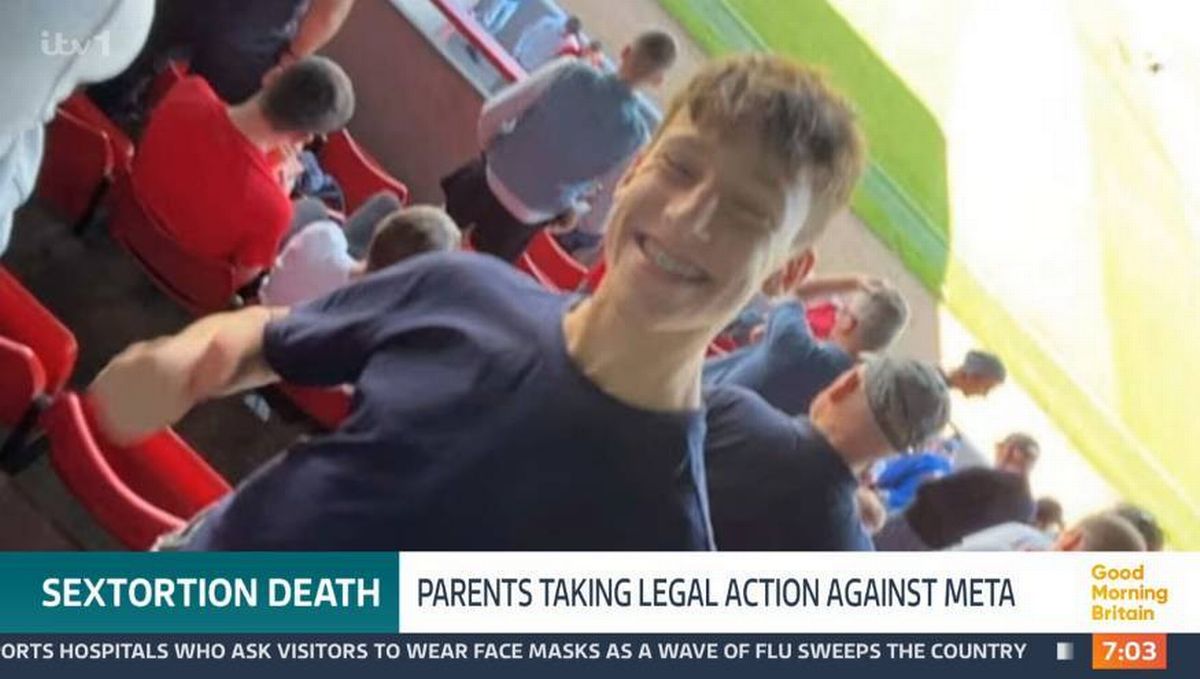
In an emotional interview, Murray’s father, Mark Dowey, articulated the profound and intimate nature of their loss, emphasising how the digital crime invaded the sanctity of their home. “One of the reasons it’s so devastating is it comes into your house, exactly where Murray should have been safest, in his room asleep,” Mark shared, conveying the shock and violation they felt. He expressed a poignant regret and a desperate wish that Murray had found the strength to simply disconnect from his phone and confide in someone, admitting his disbelief that his son is gone.
The Dowey family’s immense grief has galvanised them into a public campaign aimed at raising awareness about the escalating threat of online sextortion. Their legal team further alleges that Meta was not only aware of the potential for such crimes but also of specific safety mechanisms that could have effectively prevented blackmail attempts like those Murray endured, well before his death. This case highlights a critical global discussion about the ethical and legal obligations of social media companies to safeguard their user base, particularly vulnerable young individuals, from online exploitation.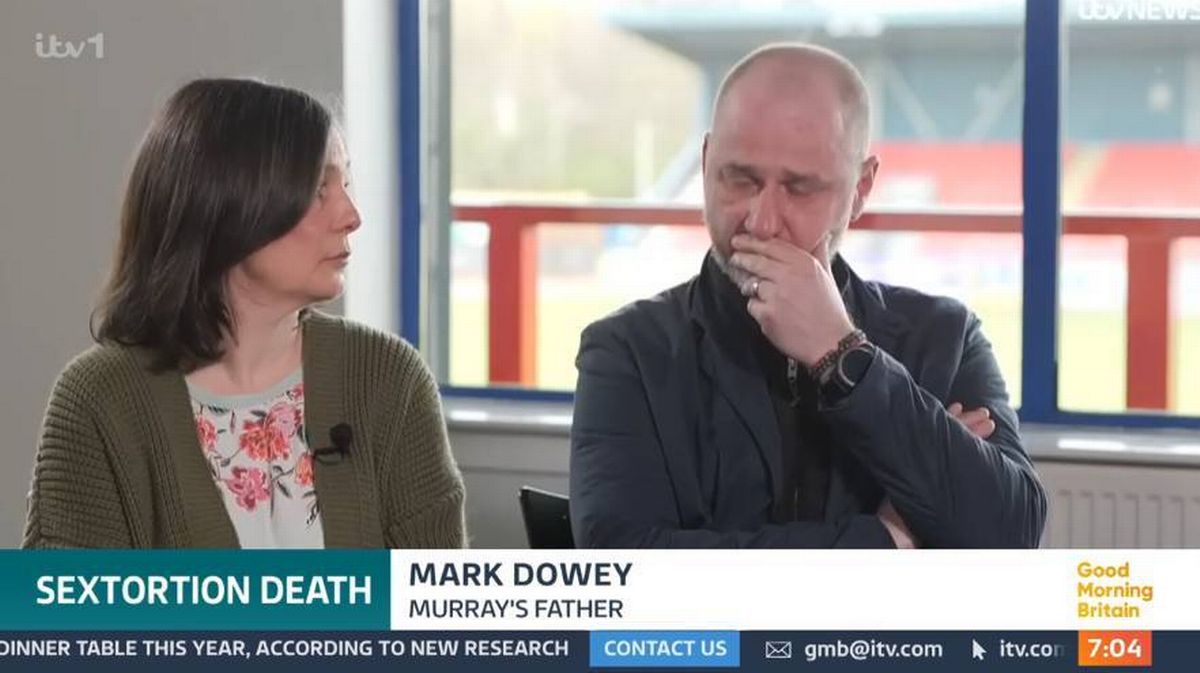
Murray’s mother, Ros Dowey, has voiced her unwavering resolve to confront the formidable tech giant. She passionately asserts that her son’s life could have been spared if the platform’s inherent flaws had been addressed. “He would be here if the product had been fixed,” she declared, acknowledging the monumental challenge of pursuing legal action against one of the world’s largest corporations. Her defiant statement, “Bring it on,” encapsulates a powerful sentiment shared by many families globally who are battling for greater corporate accountability and systemic changes in the digital landscape.
The unfolding legal battle is anticipated to have far-reaching implications, potentially reshaping the discourse surrounding online platform design, content moderation, and corporate responsibility for user safety. Legal experts suggest that a favorable outcome for the Dowey family could establish a significant precedent, influencing future regulatory frameworks and industry standards worldwide. This case underscores the urgent need for tech companies to prioritise robust protective measures against digital predators and to re-evaluate the critical balance between profit generation and the fundamental well-being of their users. The increasing prevalence of online harms necessitates a more proactive and stringent approach from platforms to ensure a safer digital environment for everyone, especially adolescents.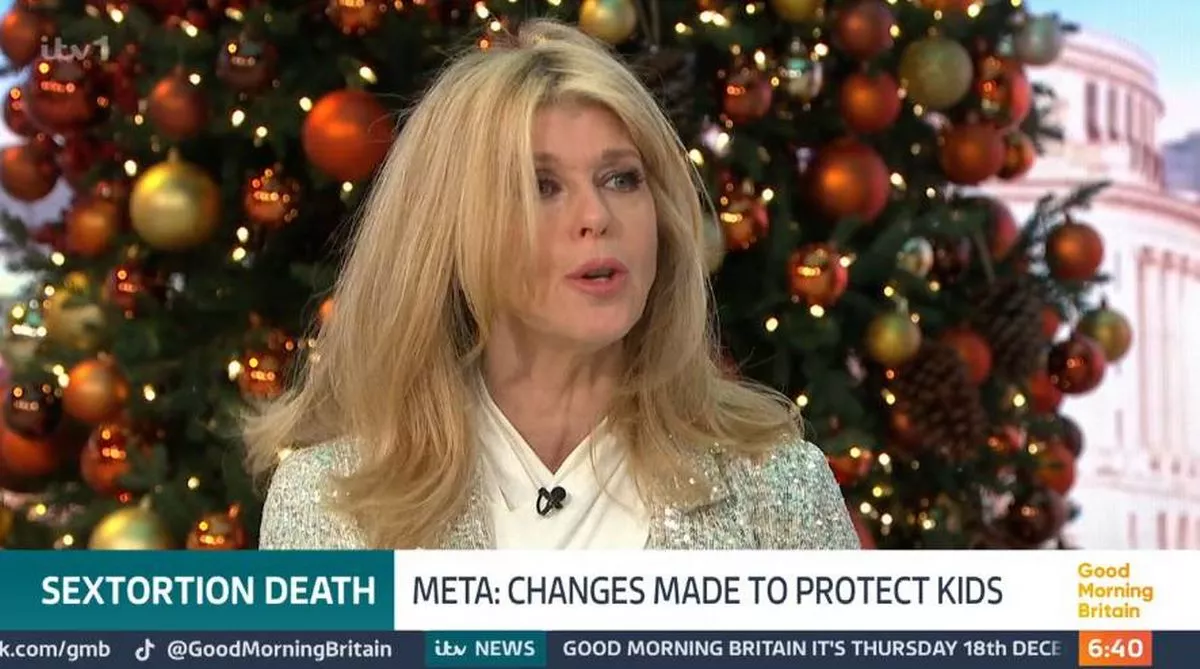


![[post_title]](https://samony.com.ng/wp-content/uploads/2025/12/1766047057_The-worlds-tallest-teenager-achieves-new-career-feat-in-Florida-300x200.jpg?lm=6943BD53 "Olivier Rioux, World’s Tallest Teen, Scores First Points in Florida Win")


![[post_title]](https://samony.com.ng/wp-content/uploads/2025/12/1766045137_Aldi-urges-UK-shoppers-to-check-twice-to-prevent-Christmas-300x158.jpg?lm=6943B5D2 "Christmas Dinner Disasters: Why Shoppers Forget Key Festive Items")
![[post_title]](https://samony.com.ng/wp-content/uploads/2025/12/Tropical-disease-melioidosis-rebranded-melio-after-record-breaking-year-for-soil-borne-300x169.jpeg?lm=6943B6F6 "Cairns Rebrands Melioidosis to ‘Melio’ Amid Alarming Case Spike")

![[post_title]](https://samony.com.ng/wp-content/uploads/2025/12/It-is-a-bad-time-in-Nigeria-which-means-Delta.jpeg?lm=6943BF4A "ADC Readies for 2027 Delta Election, Citing Nigeria’s Challenges")

![[post_title]](https://samony.com.ng/wp-content/uploads/2025/12/1766047057_The-worlds-tallest-teenager-achieves-new-career-feat-in-Florida-1024x683.jpg?lm=6943BD53 "Olivier Rioux, World’s Tallest Teen, Scores First Points in Florida Win")
