


Peter Obi, a prominent figure and former governor of Anambra State, has articulated an ambitious vision for Nigeria’s economic transformation as he vies for the nation’s highest office. In a recent discussion with CNN’s Zain Asher, Obi detailed his comprehensive strategies aimed at revitalizing the West African giant’s struggling economy, emphasizing a fundamental shift in national priorities. His candidacy comes at a pivotal moment, with Nigeria facing myriad challenges from inflation to pervasive insecurity.
Nigeria, Africa’s most populous nation and largest economy, currently grapples with significant economic headwinds. High unemployment rates, particularly among its burgeoning youth population, persistent inflation eroding purchasing power, and a substantial national debt have underscored the urgency for transformative leadership. The country’s over-reliance on oil revenues also leaves it vulnerable to global commodity price fluctuations, necessitating diversification.
At the core of Obi’s economic blueprint is a decisive pivot from a consumption-based economy to one driven by production. He proposes a robust investment in critical sectors such as manufacturing, agriculture, and technology, believing these areas hold the key to sustainable growth and job creation. His strategy involves creating an enabling environment for local industries to thrive, thereby reducing dependence on imports and fostering self-sufficiency.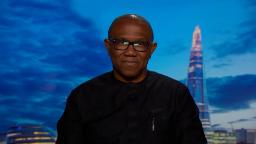
Fiscal discipline and transparency form another cornerstone of Obi’s agenda. He advocates for a drastic reduction in the cost of governance, an aggressive fight against corruption, and a more efficient allocation of national resources. The former governor has consistently highlighted the need to plug leakages in government revenue, enhance tax collection, and ensure accountability in public spending, aiming to free up funds for essential infrastructure and social services.
Attracting both domestic and foreign direct investment (FDI) is crucial to Obi’s vision. He plans to streamline bureaucratic processes, improve the ease of doing business, and provide incentives for investors in key growth sectors. Central to this is strengthening property rights and ensuring the rule of law, which he believes are fundamental to building investor confidence and fostering a predictable economic climate.
Human capital development also features prominently in his plans. Obi emphasizes significant investments in education, from primary schooling to vocational training and tertiary institutions, alongside a revamped healthcare system. He argues that a healthy, well-educated, and skilled workforce is indispensable for driving innovation, productivity, and long-term economic prosperity, particularly for Nigeria’s youthful demographic.
Addressing the nation’s pervasive insecurity is another critical component Obi links directly to economic revival. He asserts that a secure environment is paramount for farmers to return to their fields, for businesses to operate without fear, and for investors to commit capital. His administration would prioritize strengthening security agencies and implementing community-based approaches to peacebuilding, recognizing that economic stability cannot be achieved amidst widespread unrest.
Obi also speaks to leveraging Nigeria’s vast diaspora, encouraging their participation through investment and knowledge transfer. He sees the millions of Nigerians living abroad as a significant asset, whose expertise and financial contributions can be harnessed to accelerate national development. Creating mechanisms for seamless engagement and investment from the diaspora is a key objective.
The task of transforming Nigeria’s economy is formidable, requiring sustained political will and broad national consensus. Obi acknowledges the deep-seated structural challenges but expresses confidence in his team’s ability to implement his agenda. He stresses that the success of his economic policies hinges on national unity and a collective commitment to prudent management and ethical leadership.
As the presidential race intensifies, Obi’s economic platform offers a distinct narrative focused on accountability, productivity, and future-oriented growth. His proposals aim not just to stabilize the economy but to fundamentally reorient Nigeria towards a path of sustained development, capable of harnessing its immense human and natural resources for the benefit of all citizens. The electorate will weigh these detailed plans as they consider the nation’s future trajectory.

![[post_title]](https://samony.com.ng/wp-content/uploads/2025/12/1765835377_Stocks-Struggle-Ahead-of-November-Jobs-Report-Stock-Market-Today-300x200.jpg?lm=69408273 "Global Stocks Dip Amid AI Concerns Ahead of Crucial Jobs Report")
![[post_title]](https://samony.com.ng/wp-content/uploads/2025/12/1765833909_Bruno-Fernandes-leads-the-way-for-Man-Utd-this-season-300x169.jpg?lm=69407CB7 "Fernandes Leads Season Impact, Salah Dominates Premier League History")

![[post_title]](https://samony.com.ng/wp-content/uploads/2025/12/1765834358_Teachers-wild-two-ingredient-snack-takes-TikTok-by-storm.png?lm=69407E76 "Teacher’s Two-Ingredient Snack Goes Viral on TikTok")
![[post_title]](https://samony.com.ng/wp-content/uploads/2025/12/1765833473_Rob-Reiners-son-32-arrested-after-legendary-filmmaker-and-wife.jpeg?lm=69407B01 "Rob Reiner’s Son Arrested in Deaths of Filmmaker and Wife")




![[post_title]](https://samony.com.ng/wp-content/uploads/2025/12/1765835377_Stocks-Struggle-Ahead-of-November-Jobs-Report-Stock-Market-Today-1024x681.jpg?lm=69408273 "Global Stocks Dip Amid AI Concerns Ahead of Crucial Jobs Report")
![[post_title]](https://samony.com.ng/wp-content/uploads/2025/12/1765833909_Bruno-Fernandes-leads-the-way-for-Man-Utd-this-season-1024x576.jpg?lm=69407CB8 "Fernandes Leads Season Impact, Salah Dominates Premier League History")
