


In Freetown, Sierra Leone, a vibrant display of resilience unfolds on the football pitch, where members of the Single Leg Amputee Sports Association (SLASA) compete. These athletes, many survivors of the nation’s brutal civil war, defy physical limitations, using the sport as a powerful vehicle for recovery and empowerment. Co-founded in 2001 by pastor Mambud Samai, SLASA emerged from the ashes of a conflict that left tens of thousands dead and countless others maimed.
Sierra Leone’s civil war, which raged from 1991 to 2002, claimed over 50,000 lives and deliberately targeted civilians with horrific amputations, intended to instill terror. Upon his return home, Samai encountered refugee camps teeming with amputees, profoundly affected by the lack of trauma recovery activities available to them. Witnessing their despair, he felt an urgent calling to restore their confidence and sense of future.
During his time in the refugee camps, Samai encountered an American missionary who introduced him to adaptive football, a sport uniquely suited for amputees. The concept resonated deeply with the survivors, leading to an overwhelming positive response and the subsequent formation of SLASA. The organisation’s core mission became clear: to instill hope, build confidence, and empower these individuals to become ambassadors of peace within their communities.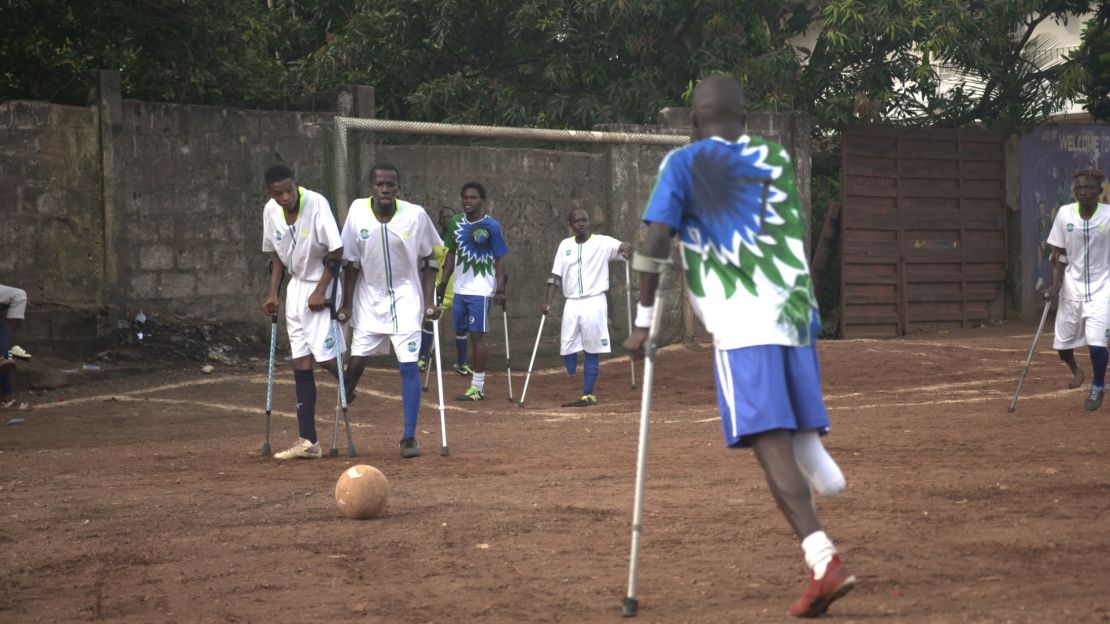
The rules governing amputee football stipulate that players operate without prosthetics, instead navigating the field with crutches. Each team comprises seven players, with outfielders having a single leg and goalkeepers restricted to one arm, demanding remarkable agility and strategic coordination. This adaptive form of the sport transforms perceived limitations into a testament to human strength and ingenuity on the pitch.
SLASA’s dedication to developing its athletes has yielded significant international recognition. Several players have proudly represented Sierra Leone in prestigious global tournaments, including the World Amputee Football Championships, the Amputee Africa Cup of Nations, and the Open European Amputee Football Championship. This international exposure not only elevates the players’ profiles but also serves as a powerful symbol of their contribution to society and national pride.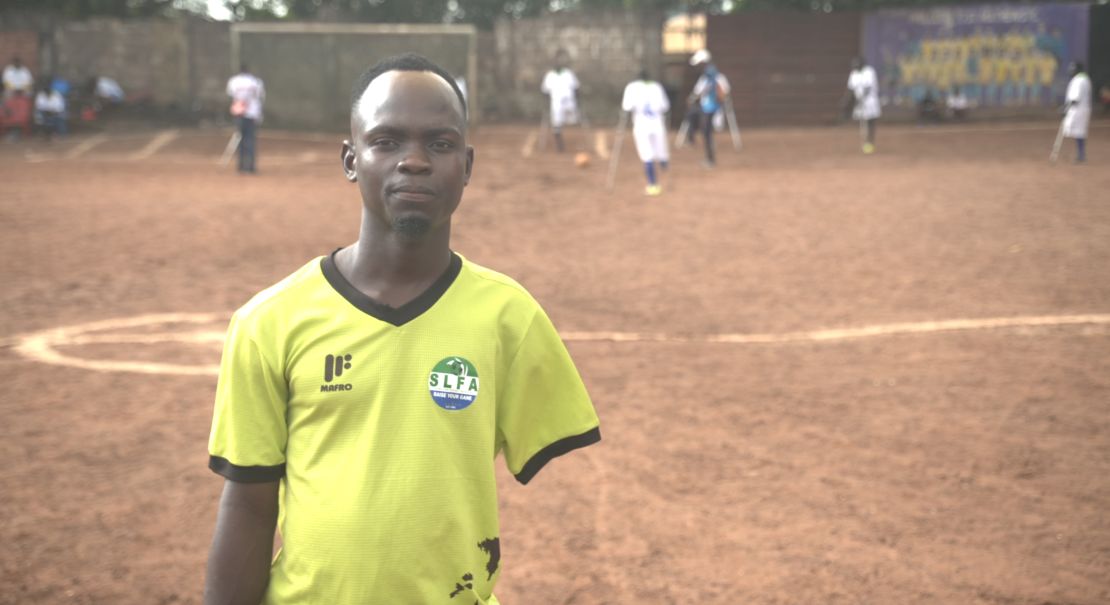
Beyond the competitive arena, the sport offers profound therapeutic benefits, uniting players through shared experiences and serving as a vital outlet for processing trauma. Ali Badara Kamara, a SLASA goalkeeper, attests to the life-changing opportunities he has received, overcoming initial maternal fears about his participation. He recounts travelling internationally to Ghana, Kenya, and Tanzania, experiences that have significantly broadened his horizons and self-belief.
Kamara’s journey reflects the broader challenges faced by the more than 80 million people with disabilities across the African continent. Many grapple with limited access to affordable assistive devices and struggle to secure employment, often leading to begging on the streets. Recognising these systemic issues, Samai expanded SLASA’s mission beyond the football pitch, driven by a deep passion to ensure every life, regardless of disability or background, finds happiness and purpose.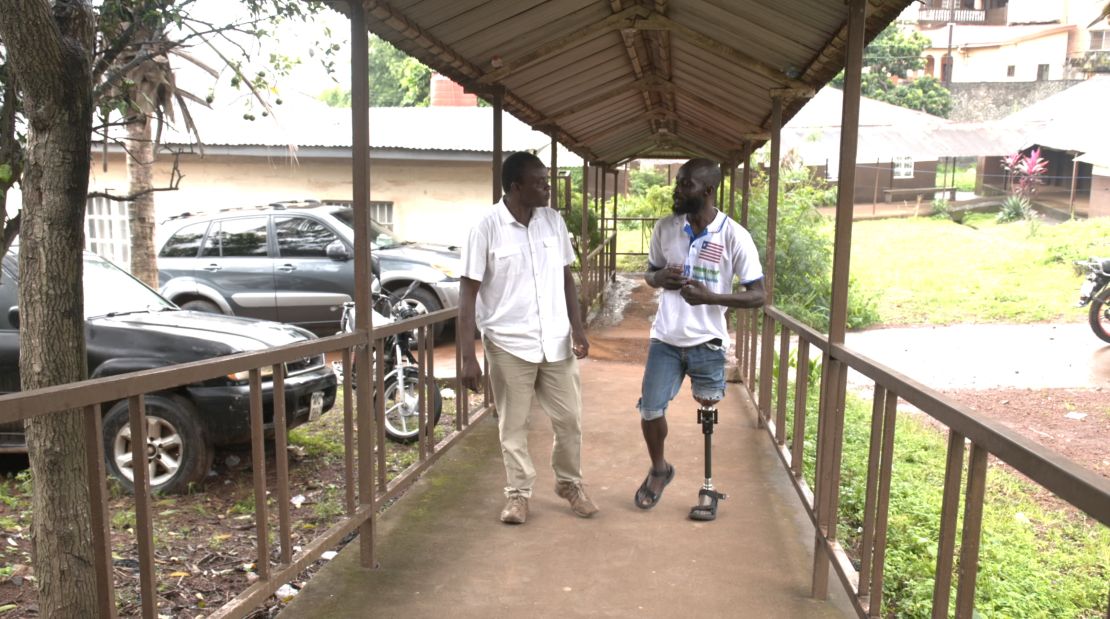
To achieve this holistic vision, SLASA collaborates extensively with Sierra Leone’s National Rehabilitation Center and partners with international organisations such as SwissLimbs. These partnerships facilitate the provision of essential prosthetics and the training of local technicians, fostering sustainable support systems. Furthermore, Samai, inspired by his studies in Japan, introduced classes in sustainable agriculture, equipping members with vital skills for self-sufficiency.
SLASA also proactively assesses members’ educational needs, providing crucial learning resources aimed at empowering them to secure stable livelihoods. The ultimate ambition is to transition more amputees from street dependency to economic independence, ensuring a dignified future for them and their families. With over 350 amputees directly assisted, Samai envisions constructing a dedicated regulation pitch and rehabilitation center, asserting that “disabled people should not be left behind” in Sierra Leone’s development.

![[post_title]](https://samony.com.ng/wp-content/uploads/2025/12/1765917144_Why-This-Southern-Gem-Is-the-Perfect-Retirement-Spot-for-300x200.jpg?lm=6941C1D9 "Natchez, Mississippi: An Affordable Southern Gem for Retirement")


![[post_title]](https://samony.com.ng/wp-content/uploads/2025/12/1765915585_Traditional-cable-providers-see-subscribers-increase-for-the-first-time.png?lm=6941BBC1 "Cable Subscriptions Rise for First Time in Eight Years")
![[post_title]](https://samony.com.ng/wp-content/uploads/2025/12/1765914863_How-to-see-alien-spaceship-3IATLAS-yourself-as-it-makes-300x158.jpg?lm=6941B8F1 "Interstellar Comet 3I/ATLAS Makes Rare Close Earth Approach")
![[post_title]](https://samony.com.ng/wp-content/uploads/2025/12/Inician-las-semifinales-de-la-Copa-Pacena-Blooming-vs-Bolivar-300x300.jpeg?lm=6941BA47 "Paceña Cup Semifinals Commence: Teams Vie for Glory and Libertadores Spot")

![[post_title]](https://samony.com.ng/wp-content/uploads/2025/12/ICPC-Reveals-Next-Action-After-Dangote-Petitioned-NMDPRA-Boss.jpg?lm=6941C3FC "ICPC Investigates NMDPRA Over Dangote Group’s Petition")

![[post_title]](https://samony.com.ng/wp-content/uploads/2025/12/1765917144_Why-This-Southern-Gem-Is-the-Perfect-Retirement-Spot-for-1024x683.jpg?lm=6941C1DA "Natchez, Mississippi: An Affordable Southern Gem for Retirement")

