

![[post_title]](https://samony.com.ng/wp-content/uploads/2025/12/1765051311_Im-worried-Lady-releases-chat-with-Harrison-Gwamnishu-days-1024x535.jpg?lm=69348BB0)
Harrison Gwamnishu Arrest: Unpacking the Controversy
The recent arrest of human rights activist Harrison Gwamnishu has sparked a flurry of debate. Adding fuel to the fire, a Nigerian woman has shared screenshots of her conversations with Gwamnishu leading up to his detainment. This unfolds as allegations swirl around his involvement in a ransom case. It’s a complex situation that demands careful consideration.
Gwamnishu’s detention, as confirmed by VeryDarkMan, a known social commentator, coincided with serious accusations leveled against him on X (formerly Twitter). The claim? That he allegedly siphoned off a portion of a ₦20 million ransom intended for the release of his sister and brother-in-law.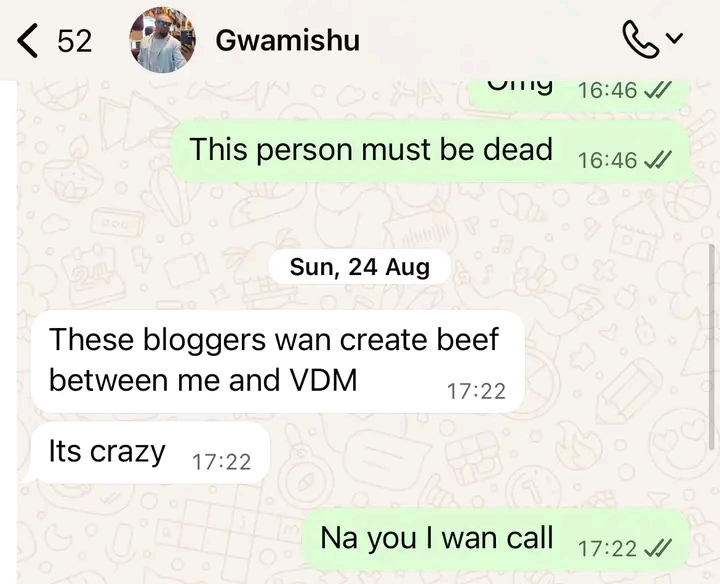 >
>
The conversation shared by Gwen Chiamaka Ifeson, posted on Facebook, throws another layer into the mix. She recounts Gwamnishu telling her that he had been invited to Edo State by Monday Opabelo, the Chief of Staff to the Edo State Governor. According to Ifeson, Gwamnishu traveled to Edo on December 4, 2025, and was not initially arrested as some reports suggested. She states that the activist had been engaged in discussions with state officials regarding the insecurity issues plaguing the region.
These details are vital in understanding the whole picture.
Ifeson attempts to clarify the ransom allegations. She emphasizes that Gwamnishu didn’t directly hand over the ransom money to the kidnappers and that the entire sum was returned to Auchi, Edo State. Ifeson also took issue with the abductee’s family airing their grievances online, suggesting they should not have accused Gwamnishu of misappropriating funds. She voiced concerns for the safety of the individual still being held captive.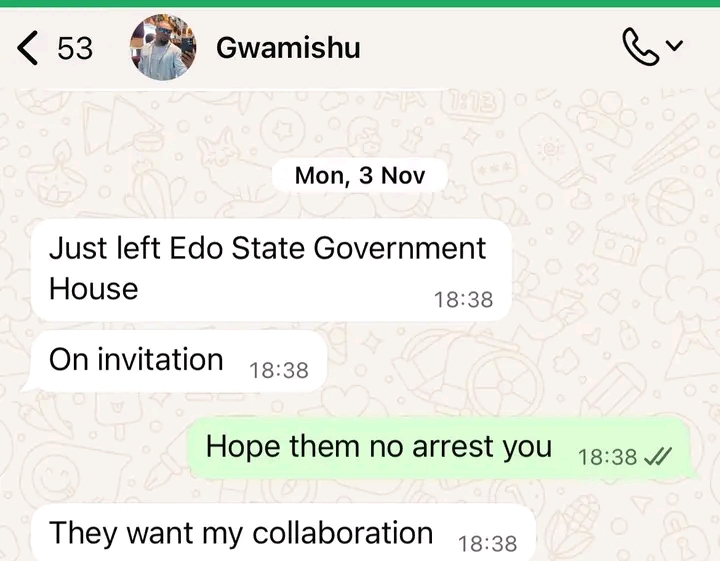 >
>
So, what are we to make of all this? It’s easy to jump to conclusions, but let’s hold back for a moment.
First, there’s the timing of the arrest. Was it directly related to the ransom allegations, or were there other factors at play? Ifeson’s account suggests Gwamnishu was working with the Edo State government, which raises questions about potential political motivations behind his detainment.
Second, the reliability of the sources needs to be considered. VeryDarkMan, while vocal, isn’t necessarily an unbiased source. The family of the abductee, understandably distraught, might be acting out of fear and frustration. And Ifeson, a friend of Gwamnishu, clearly has a vested interest in defending him.
It’s worth noting that accusations of corruption and abuse of power are nothing new in Nigeria. I’ve seen countless cases where individuals are caught in the crossfire of political maneuvering or personal vendettas. The truth is often buried beneath layers of misinformation and conflicting narratives.
I’ve learned that it’s crucial to dig deeper and avoid knee-jerk reactions. Consider the incentives of each party. Who benefits from Gwamnishu’s downfall? Who stands to gain by discrediting him?
In this case, the stakes are high. Gwamnishu has built a reputation as a champion of human rights, often taking on cases that others shy away from. If the allegations against him are true, it would be a devastating blow to his credibility and to the countless individuals he’s helped over the years.
This challenge highlights a broader issue: the lack of transparency and accountability in many sectors. When information is scarce and trust is eroded, it becomes easy for rumors and speculation to take hold.
Given these facts, it’s tempting to dismiss the accusations as a smear campaign. Yet, there are too many unanswered questions to do so. It is vital that a transparent investigation takes place, to truly uncover the truth.
It will be crucial to examine the evidence, interview all parties involved, and determine whether there is any merit to the claims. It’s imperative that due process is followed, and that Gwamnishu is given the opportunity to defend himself against the accusations.
It is possible to believe that Gwamnishu is innocent until proven guilty. But we also have a responsibility to hold those in positions of power accountable for their actions.
The Gwamnishu saga serves as a stark reminder of the complexities and challenges of promoting justice in a world riddled with corruption, misinformation, and conflicting agendas. The truth, as always, is likely far more nuanced than the headlines suggest.
The situation with Harrison Gwamnishu is more than just a news story. It’s a reminder to stay vigilant, question everything, and demand transparency. It’s a call for critical thinking in a world saturated with noise.

![[post_title]](https://samony.com.ng/wp-content/uploads/2025/12/Setting-the-Record-Straight-On-The-Defamation-Case-Involving-Senator-300x150.jpg?lm=69348567 "Defamation in the Digital Age: Evidence Trumps Agitation")
![[post_title]](https://samony.com.ng/wp-content/uploads/2025/12/Allegations-baseless-entirely-untrue-Ex-Army-chief-Yahaya-on-links-300x200.jpg?lm=69348583 "Terrorism Financing Allegations: Separating Vendetta from Verifiable Facts")

![[post_title]](https://samony.com.ng/wp-content/uploads/2025/12/1765049341_How-pregnancy-is-being-criminalised-in-post-Roe-America-300x169.jpeg?lm=69348401 "Pregnancy Criminalized: America’s Post-Roe Reality")

![[post_title]](https://samony.com.ng/wp-content/uploads/2025/12/1765049531_George-Clarke-to-lose-place-in-Strictly-semi-final-as-worrying-300x158.jpg?lm=693484BF "Is George Clarke Doomed on Strictly? This TikToker’s “Jinx” Has Everyone Freaking Out")


![[post_title]](https://samony.com.ng/wp-content/uploads/2025/12/Setting-the-Record-Straight-On-The-Defamation-Case-Involving-Senator.jpg?lm=69348565 "Defamation in the Digital Age: Evidence Trumps Agitation")
![[post_title]](https://samony.com.ng/wp-content/uploads/2025/12/Allegations-baseless-entirely-untrue-Ex-Army-chief-Yahaya-on-links.jpg?lm=69348581 "Terrorism Financing Allegations: Separating Vendetta from Verifiable Facts")
