

![[post_title]](https://samony.com.ng/wp-content/uploads/2025/12/What-it-means-that-the-FDA-claims-Covid-vaccines-caused-1024x683.jpg?lm=693467ED)
Analyzing FDA’s Proposed Vaccine Safety Changes: A Critical Look
The FDA is considering a significant overhaul of its vaccine approval process, spurred by assertions that mRNA COVID-19 vaccines led to the deaths of at least ten children. This move, detailed in a leaked memo, hinges on a contentious claim that these deaths resulted from myocarditis, an inflammation of the heart. The basis? Reports submitted to the Vaccine Adverse Event Reporting System (VAERS).
Having followed vaccine development and public health debates for years, I find this situation warrants careful scrutiny. Allegations of unsafe vaccines causing child deaths are exceptionally serious. As a clinician, I understand the profound impact such news can have on public trust and, more importantly, on parents making healthcare decisions for their children. However, emotions can’t guide us. We need to carefully analyze the evidence.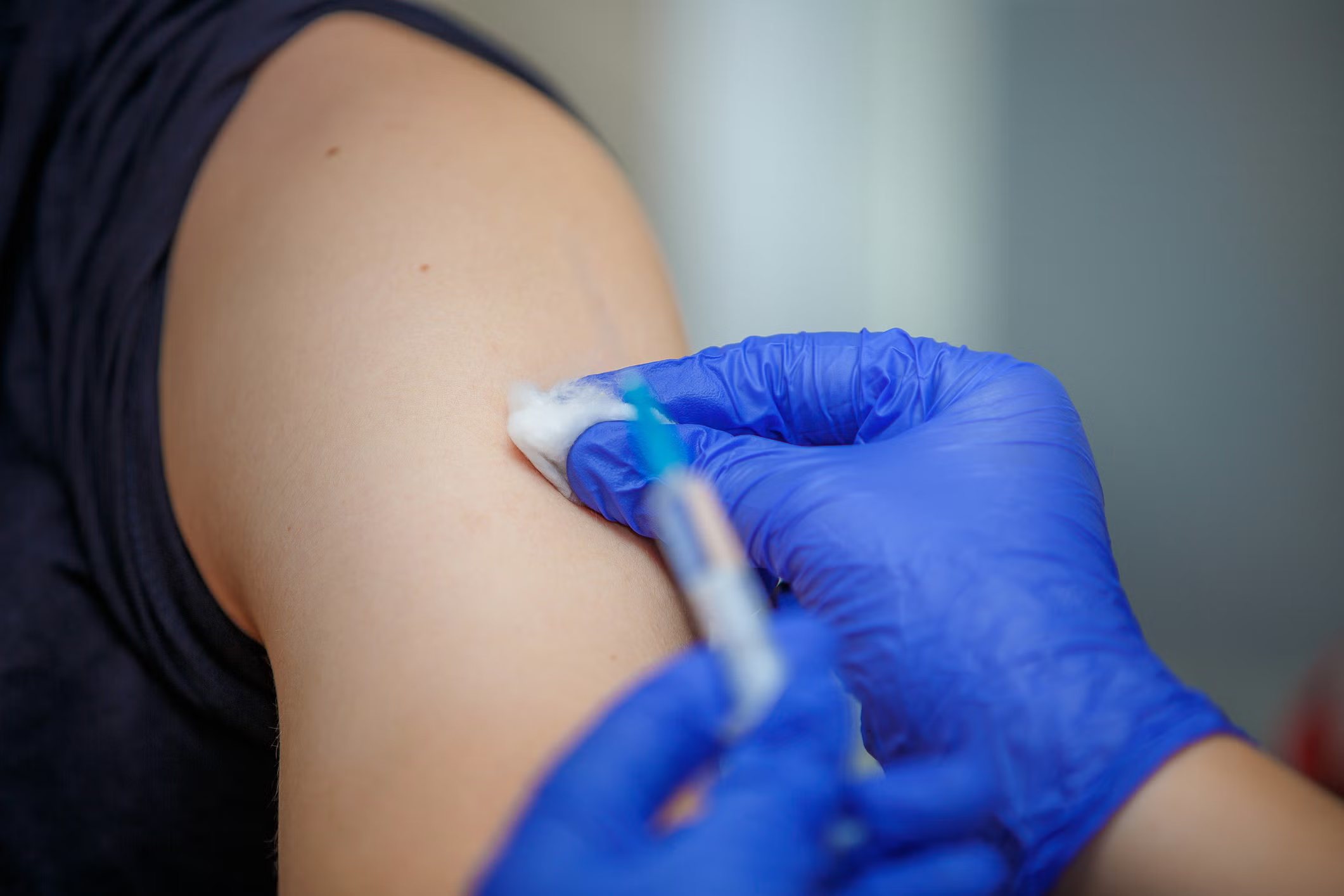 >
>
The crux of the matter lies in establishing causality. A report to VAERS is merely an initial signal, not definitive proof. It indicates an event occurred after vaccination, but doesn’t automatically link the two. Differentiating correlation from causation is key. To attribute these deaths to the vaccine, the FDA needs to corroborate the VAERS reports with thorough medical evaluations, physician assessments, and data from other monitoring systems like PRISM and the Vaccine Safety Datalink. Absent compelling, verifiable evidence, altering established vaccine testing protocols carries grave risks.
It’s worth pointing out that past instances show many VAERS reports, particularly concerning children, have been inaccurately attributed to vaccines, sometimes inadvertently and, in some cases, intentionally. If, and I stress if, the FDA possesses data demonstrating a link between these vaccines and child deaths on a scale missed by global health organizations, even the most ardent vaccine supporters would need to listen. But so far, that evidence remains elusive.
One figure driving this debate is Vinay Prasad, a vocal critic who argues that the incidence of severe cardiac side effects following COVID-19 vaccination is vastly underestimated. He advocates for tighter restrictions on vaccine access. While vigilance is essential, it’s equally crucial to assess the wider context. Research suggests myocarditis risk post-vaccination is real but generally low. More importantly, studies indicate that unvaccinated individuals face a higher risk of heart problems after contracting COVID-19, and those experiencing myocarditis post-vaccination tend to have fewer complications than those with COVID-19-related myocarditis. >
>
Existing vaccine safety mechanisms in the U.S. effectively identify potential hazards. The detection of blood clotting issues with viral vector vaccines (Janssen and AstraZeneca) during the pandemic stands as a testament to that system’s effectiveness. These vaccines were promptly withdrawn after VAERS, the Vaccine Safety Datalink, and global investigators flagged the issue.
To be clear, deaths due to myocarditis following COVID-19 vaccination are incredibly rare. Proving causation requires solid evidence, including confirmed myocarditis diagnosis, exclusion of alternative explanations, and ruling out other potential causes of myocarditis. VAERS data alone can’t offer this level of certainty.
The FDA’s memo goes further, suggesting a move away from current antibody-based approval processes for updated vaccines, particularly for influenza and pneumonia. It suggests shifting to more placebo-controlled trials. While rigorous testing is always desirable, implementing this proposal across the board is impractical.
Consider the flu vaccine. Its composition requires annual updates to counter viral mutations. Yearly placebo-controlled trials would render the tested vaccine obsolete by the time it gets approved, creating a resource-draining and ultimately futile endeavor. Furthermore, detecting vaccine-related myocarditis at its low rate would necessitate clinical trials far exceeding the size of those used for COVID-19 mRNA vaccine approval. The costs, both financial and in terms of delayed vaccine rollout, would be substantial.
There’s an ethical dimension to consider. Placebo-controlled trials mandate comparing vaccinated individuals with unvaccinated individuals, deliberately asking some to forgo available protection and risk infection for the sake of the trial. This approach clashes with established ethical norms, where placebo comparisons are generally reserved for brand-new vaccines when no alternative exists.
We must tread carefully. While investigating suspected vaccine deaths is crucial, halting a vaccine program based on flimsy evidence can erode public confidence. Transparent and thorough investigations are paramount.
Ultimately, judging a vaccine’s risks necessitates weighing them against the risks of the disease it prevents. In the case of COVID-19, evidence consistently demonstrates that the disease is far more dangerous, causing significantly more deaths and heart-related issues in children than the vaccine. Studies reveal that COVID-19 vaccination reduces hospitalization rates and severe illness in adolescents and slashes the risk of long COVID.
Focusing solely on vaccine risks while ignoring the substantial benefits creates a distorted picture. This proposed FDA overhaul demands critical evaluation, informed by data, scientific rigor, and a balanced assessment of risks and benefits. The health of our children, and public trust in vital health interventions, depends on it.

![[post_title]](https://samony.com.ng/wp-content/uploads/2025/12/Cleric-condemns-abduction-of-worshippers-in-Kogi-300x233.jpg?lm=69346873 "Kogi Church Abduction: Gauging the Tipping Point for Religious Security in Nigeria")
![[post_title]](https://samony.com.ng/wp-content/uploads/2025/12/1765042298_Katie-Prices-family-deeply-concerned-after-star-shares-alarming-health-300x158.jpg?lm=6934687B "Celebrity Health Cycles: Decoding Addiction, Vaping, and the Path to Lasting Change")

![[post_title]](https://samony.com.ng/wp-content/uploads/2025/12/The-Nintendo-Switch-2-and-Ninjas-Creami-are-the-best-300x156.jpg?lm=69346533 "Post-Cyber Week Tech Deals: A Closer Look")
![[post_title]](https://samony.com.ng/wp-content/uploads/2025/12/Tottenham-v-Brentford-Manchester-City-v-Sunderland-and-more-football-300x158.jpg?lm=693452B0 "Premier League Trends: City’s Ascent, Tottenham’s Hope, and Player Welfare")
![[post_title]](https://samony.com.ng/wp-content/uploads/2025/12/1765036793_Back-to-my-ancestors-way-Apostles-daughter-becomes-water-priestess-300x157.jpg?lm=693452FC "Water Priestess: Faith, Industry, and Shifting Spiritual Landscapes")


![[post_title]](https://samony.com.ng/wp-content/uploads/2025/12/Cleric-condemns-abduction-of-worshippers-in-Kogi-1024x796.jpg?lm=69346873 "Kogi Church Abduction: Gauging the Tipping Point for Religious Security in Nigeria")
![[post_title]](https://samony.com.ng/wp-content/uploads/2025/12/1765042298_Katie-Prices-family-deeply-concerned-after-star-shares-alarming-health-1024x538.jpg?lm=6934687B "Celebrity Health Cycles: Decoding Addiction, Vaping, and the Path to Lasting Change")
