![[post_title]](https://samony.com.ng/wp-content/uploads/2025/12/1765020496_Ant-and-Dec-almost-killed-me-twice-in-the-jungle-1024x538.jpg?lm=69341351)
“I’m a Celeb” Contestant’s Near-Death Experiences: A Critical Look at Reality TV Risks
Reality television, particularly shows like “I’m a Celebrity…Get Me Out of Here!”, thrives on pushing boundaries. That’s the draw, right? We crave the spectacle of watching people face their fears and grapple with extreme conditions. Yet, recent claims from former contestant Iain Lee cast a stark light on the potential dangers, prompting a vital discussion: How far is too far when it comes to entertainment?
Lee alleges that he “almost died twice” during his stint in the jungle. These weren’t just minor scrapes. He describes a terrifying underwater challenge where he panicked and felt he was ignored by production, coupled with a shocking freefall during a high-altitude task despite assurances of safety. These accounts demand scrutiny.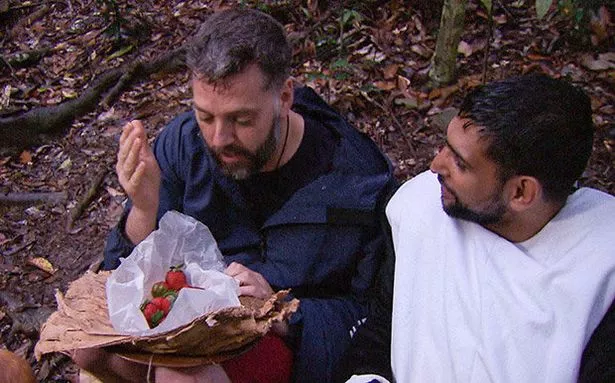 >
>
One incident involved Lee struggling in an underwater pyramid. His claim? He couldn’t swim well underwater. The producers, it seems, put him in that situation regardless, and he claims help wasn’t readily available. That raises questions about pre-challenge assessments. Did the show adequately evaluate Lee’s capabilities, or did they prioritize dramatic potential over his well-being?
The second instance is equally alarming. Lee says he was repeatedly told he couldn’t fall during a high-wire stunt. Still, he fell, triggering a memory of a fatal accident involving Michael Lush, a stuntman who died filming a TV stunt in the 1980s. The psychological impact alone is significant. How much responsibility do producers bear for a contestant’s mental state when they knowingly induce fear and disorientation?
It’s worth noting that Lee harbors no ill will toward Ant and Dec, the show’s hosts. He calls them “lovely” and “charming,” acknowledging their role is primarily entertainment-focused. This distinction is crucial. The onus falls on the production team to ensure safety protocols are not only in place but diligently followed. >
>
This isn’t about sensationalism. It’s about a pattern. Shows must protect those willing to participate, and should take appropriate responsibility to provide protection for their participant’s safety. This isn’t always guaranteed.
For years, I’ve witnessed this push for edgier content. The rise of reality TV created a marketplace for risk. Competition between networks fuels the desire to outdo each other, leading to increasingly outrageous and potentially hazardous scenarios.
This presents a considerable challenge. “I’m a Celeb,” and similar shows, are massive moneymakers. They generate huge ratings, attract lucrative advertising deals, and propel careers. Reining in the risk factor may affect the entertainment value – and, by extension, the bottom line.
But is that a justifiable trade-off? Do ratings truly outweigh the potential for severe injury or, worse, tragedy?
What happens when contestants are misled? This is a key consideration. The line between thrilling entertainment and negligent endangerment gets hazy when participants feel they were given false assurances about safety, like Iain Lee’s claim that he was told he couldn’t fall.
These experiences raise significant questions. Do contestants fully grasp the risks involved? Are they pressured to perform even when they feel unsafe? Are safety measures truly adequate, or are they sometimes compromised for the sake of a more dramatic scene?
Consider the broader industry implications. If a contestant like Iain Lee, now a counselor, found his experience “a couple of degrees too far,” what message does that send to aspiring reality TV stars? Does it encourage them to prioritize fame over their own physical and mental well-being?
Perhaps a shift in approach is needed. Greater transparency about risks, more robust safety protocols, and a willingness to prioritize participant welfare over ratings might be ways forward. It doesn’t necessarily mean sanitizing reality TV. It means acknowledging that human lives are more important than entertainment.
Ultimately, the success of reality shows shouldn’t come at the expense of the contestants. A balance must be struck. It is important to review past events and learn from them, and protect those in the future. Viewers need to know the entertainment they consume is not inherently dangerous.

![[post_title]](https://samony.com.ng/wp-content/uploads/2025/12/Tinubus-Tax-Reforms-Committee-Selects-Top-20-Nigerian-Content-Creators.png?lm=69341327 "Nigeria’s Taxman Wants to Train Creators: Smart Move, or Red Flag?")
![[post_title]](https://samony.com.ng/wp-content/uploads/2025/12/1765020496_Ant-and-Dec-almost-killed-me-twice-in-the-jungle-300x158.jpg?lm=69341350 "“I’m a Celeb” Claims: Reality TV’s Safety Gamble")
![[post_title]](https://samony.com.ng/wp-content/uploads/2025/12/NAssembly-on-spotlight-as-lawmakers-vote-on-state-police-others-300x161.jpg?lm=693414A3 "Nigeria’s National Assembly Set to Vote on Sweeping Constitutional Reforms")
![[post_title]](https://samony.com.ng/wp-content/uploads/2025/12/1765020299_Investing-100-per-person-in-PHC-can-prevent-90-of-300x169.jpg?lm=6934128C "$100 Per Child: The Primary Healthcare Investment That Must Be More Than Just a Number")