

Europe Steps Up: A “Reassurance Force” for Ukraine’s Post-War Future?
The US has largely shaped Ukraine peace talks to this point. Yet, Europe now eyes a more prominent role: guaranteeing Ukraine’s safety after a ceasefire. Britain and France are at the forefront, proposing a “Reassurance Force” to rebuild the Ukrainian army and backstop a fragile peace.
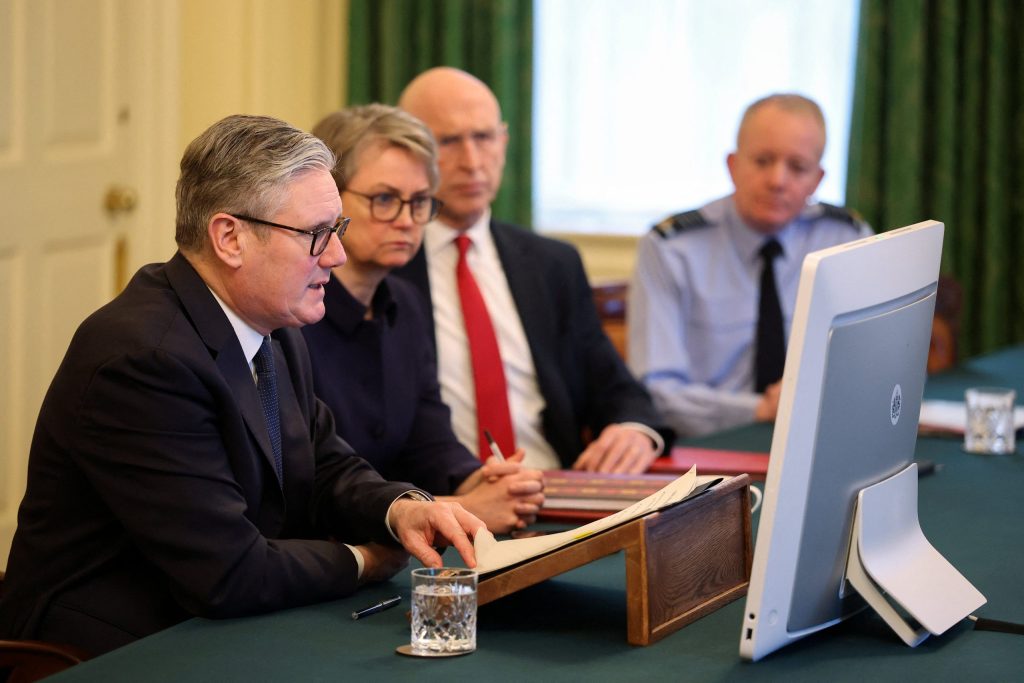
Downing Street affirms the UK’s planning for a multinational force, drawing partners from across the continent. Thousands of allied troops could deploy across Ukraine, bolstering the army and deterring further Russian aggression – if both sides can reach an agreement.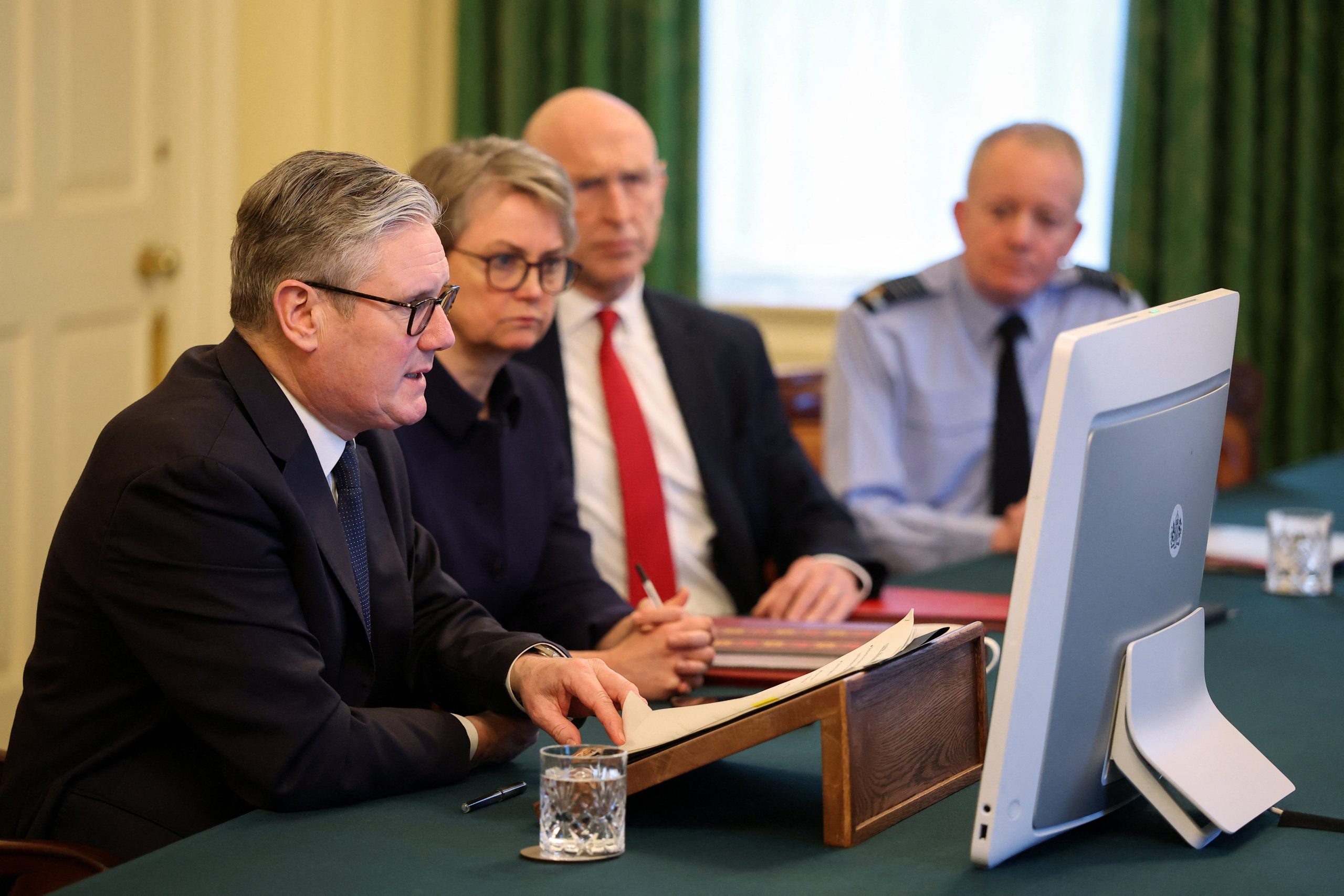 >
>
These plans have been brewing for months, stemming from talks between Kyiv and its allies about the security guarantees required to end the war. Initially, a European ground presence seemed off the table when Washington released a peace proposal sans international peacekeepers. Still, the US seems to have softened its stance, possibly influenced by Europe’s contribution to the recent progress in negotiations.
What Could This “Reassurance Force” Look Like?
For the past nine months, the “Coalition of the Willing” has pledged to protect Ukraine, focusing on military reconstruction, airspace security, and a limited troop deployment. During a recent virtual meeting, France’s President Macron noted the task force designated to convert broad ideas into real military commitments.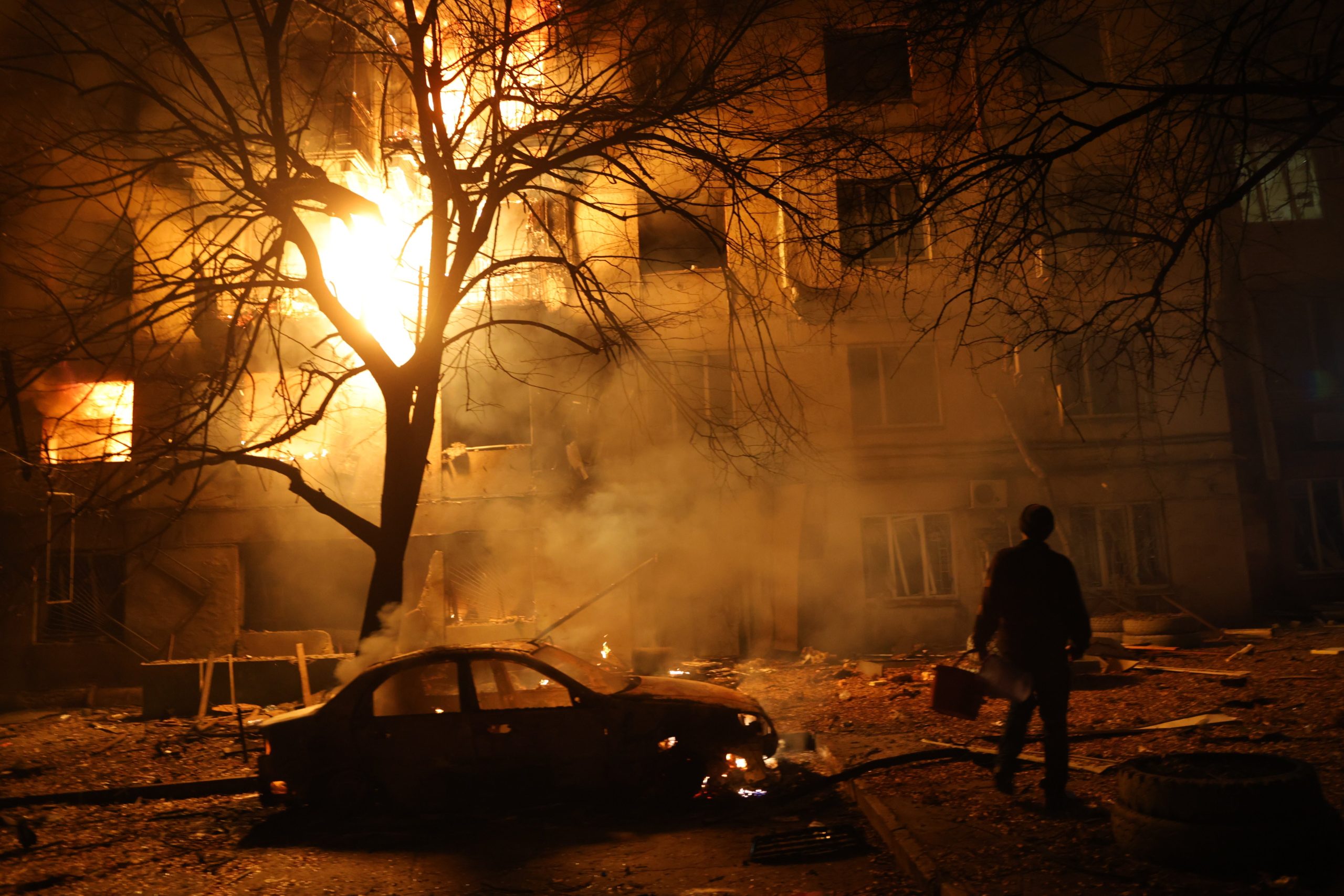 >
>
The primary goal centers on restoring Ukraine’s military strength, serving as its own deterrent. Former British Army Colonel Philip Ingram suggests European trainers currently working with Ukrainian soldiers abroad would likely redeploy closer to Ukraine. He astutely points out that bilateral agreements between Ukraine and individual nations could sidestep the NATO label, allowing Russia to be told to mind its business.
My take? This sounds more like a “presence force” than a battle-ready army capable of directly confronting Russia. It is not yet clear how large this contingent will be. Initial estimates ranged from 20,000 to 100,000, but reports suggest military leaders have since scaled back their ambitions to something more “realistic.” The coalition is also considering air support stationed in neighboring countries, a move that’s less likely to ruffle feathers in Washington.
Who’s Signing Up?
Macron’s task force will be jointly led by France and the UK, potentially with contributions from Turkey and the US. Reportedly, around 20 countries have pledged some form of support by air, land, or sea.
Britain remains committed to stationing troops in Ukraine. Before the US unveiled its peace proposal, Defense Secretary John Healey stated that the UK has allocated over £100 million to cover troop deployments, with units already selected.
France also aims for a leading role, though Macron has carefully managed expectations at home. He stated that France would not rush to deploy troops, planning instead to station the force “in fallback positions in Kyiv or Odesa.”
Turkey has shown more reluctance to make firm commitments. While its defense ministry has confirmed its readiness to “contribute to any initiative aimed at ensuring security and stability in our region,” it insists a ceasefire is necessary before any firm decisions. Macron suggested Turkey might play a naval role, given its position on the Black Sea.
The US has largely stayed out of these discussions, though Washington showed greater engagement lately. Secretary of State Marco Rubio’s participation in the recent coalition meeting signals encouraging support. Still, it’s unlikely the US will commit ground troops, given Trump’s repeated opposition.
Expert Opinions: A Realistic Approach or Overblown Promises?
Experts suggest a small but effective force could play a vital role in Ukraine’s recovery. Leo Litra, a visiting fellow with the European Council on Foreign Relations, asserts that a smaller force “would not undermine the rationale of the mission.” He points to historical examples like the US missions in Vietnam and Afghanistan, which began with relatively small numbers of instructors and troops.
Still, he acknowledges that the US would need to provide crucial guarantees – air defense, intelligence, surveillance – to deter a full-scale invasion.
Sophia Besch, a senior fellow at the Carnegie Endowment for International Peace, offers a counterpoint. She believes Europe risks overpromising and underdelivering, suggesting they should prioritize support. “Europeans cannot speak a credible American backstop into existence,” she argues. Instead, she suggests Europe focus on training and regrouping Ukrainian forces.
My Perspective: A Necessary Step, But Not a Silver Bullet
From what I’ve seen in similar situations, this European “Reassurance Force” could be a valuable component of a broader peace strategy. It offers a tangible commitment to Ukraine’s long-term security, sends a strong signal to Russia, and helps to rebuild a shattered nation.
That being said, we should approach this with eyes wide open. A few thousand troops won’t stop a determined Russian offensive. Sustained economic support, diplomatic pressure, and, yes, continued military aid will likely be required to truly safeguard Ukraine’s future. This European initiative is a piece of the puzzle, not the entire solution. It’s a step in the right direction, but the path ahead remains complex and uncertain. Ultimately, the success hinges on the commitment of all parties involved and a willingness to navigate the inevitable challenges that will arise.

![[post_title]](https://samony.com.ng/wp-content/uploads/2025/12/Tinubus-Tax-Reforms-Committee-Selects-Top-20-Nigerian-Content-Creators.png?lm=69341327 "Nigeria’s Taxman Wants to Train Creators: Smart Move, or Red Flag?")
![[post_title]](https://samony.com.ng/wp-content/uploads/2025/12/1765020496_Ant-and-Dec-almost-killed-me-twice-in-the-jungle-300x158.jpg?lm=69341350 "“I’m a Celeb” Claims: Reality TV’s Safety Gamble")
![[post_title]](https://samony.com.ng/wp-content/uploads/2025/12/NAssembly-on-spotlight-as-lawmakers-vote-on-state-police-others-300x161.jpg?lm=693414A3 "Nigeria’s National Assembly Set to Vote on Sweeping Constitutional Reforms")
![[post_title]](https://samony.com.ng/wp-content/uploads/2025/12/1765020299_Investing-100-per-person-in-PHC-can-prevent-90-of-300x169.jpg?lm=6934128C "$100 Per Child: The Primary Healthcare Investment That Must Be More Than Just a Number")


![[post_title]](https://samony.com.ng/wp-content/uploads/2025/12/1765020496_Ant-and-Dec-almost-killed-me-twice-in-the-jungle-1024x538.jpg?lm=69341351 "“I’m a Celeb” Claims: Reality TV’s Safety Gamble")
