

Jeremy O. Harris Arrest: A Glimpse into Celebrity Culture, Drug Laws, and International Travel
The news of Jeremy O. Harris’s arrest in Okinawa, Japan on suspicion of drug smuggling has certainly stirred up conversation. Details are emerging, and the situation remains fluid. Initial reports indicate that authorities found a small quantity of MDMA in his possession at Naha Airport. He’s now facing potential legal repercussions under Japan’s stringent drug laws.
It’s worth noting how rapidly this story spread. Harris, a celebrated playwright and actor best known for “Slave Play,” carries a certain level of cultural cache. This elevates the news beyond a simple drug arrest. His notoriety amplifies the reach, sparking discussions about celebrity behavior, international law, and personal responsibility.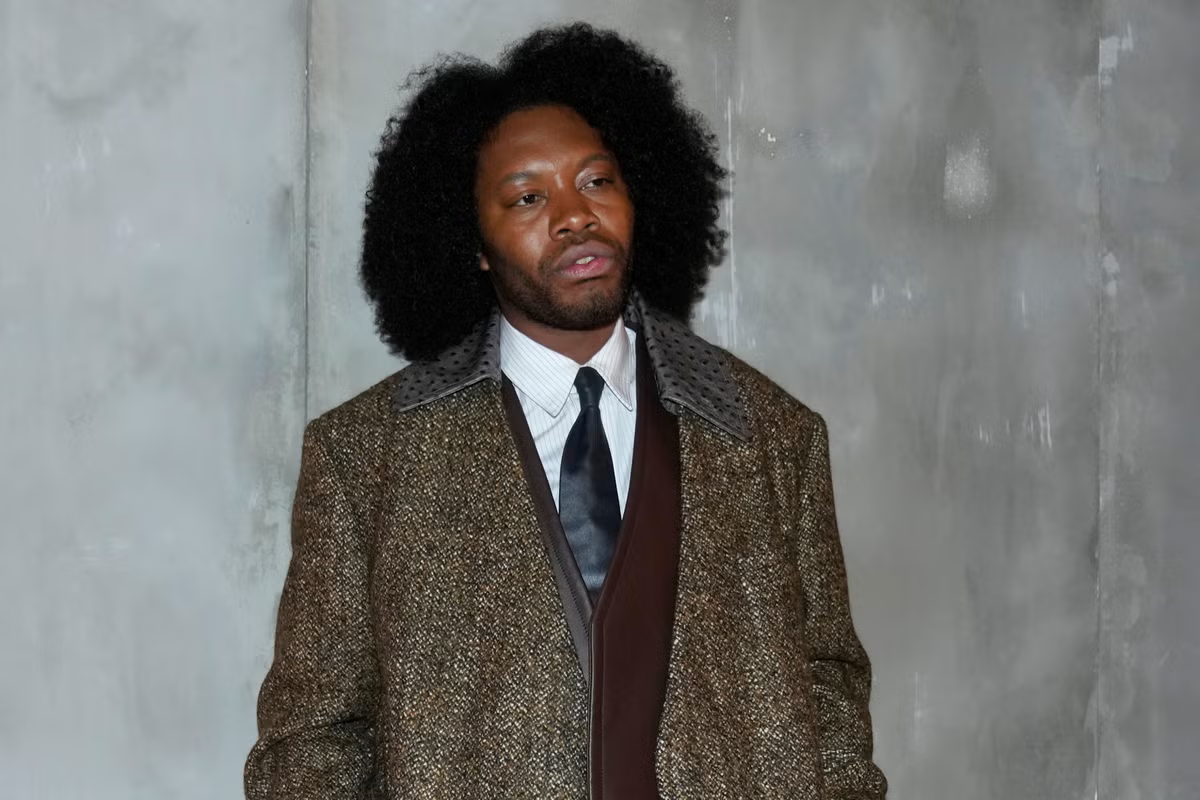 >
>
Japan’s approach to drug offenses differs drastically from the U.S. or parts of Europe. What might be viewed as a minor offense elsewhere can carry significant penalties, including lengthy prison sentences. The Japanese legal system tends to lean toward strict enforcement. This case highlights the importance of understanding and respecting local laws when traveling abroad, regardless of status. It’s a mistake to assume that a person’s influence grants immunity across international borders.
The details surrounding the arrest are interesting. Harris reportedly arrived in Okinawa after traveling from London, with a stopover in Taiwan. The authorities suspect the MDMA was intended for personal use. The investigation continues, but the circumstances immediately raise questions. Was this an impulsive decision? A miscalculation? Or something else entirely?
“Slave Play,” while critically acclaimed, also stirred controversy. Its exploration of race, sex, and power dynamics sparked debate and even protests. This history adds a layer of complexity. Could this incident, regardless of its legal outcome, impact his career? It’s probable that this will affect how some view his work.>
Harris’s involvement with “Euphoria” adds another facet. The HBO series has been lauded for its unflinching portrayal of drug use and adolescent struggles. Yet, this arrest presents a rather uncomfortable parallel between art and reality. The line between portrayer and participant blurs, prompting reflection on the responsibility of artists and the messages they convey.
This case also touches on the vulnerability of artists. The entertainment industry often fosters an environment of intense pressure and scrutiny. Many performers struggle with substance use and mental health. While this doesn’t excuse any alleged wrongdoing, it does invite a more nuanced view of the circumstances.
I’ve observed similar patterns throughout my years watching the entertainment world. A rapid rise to fame can be disorienting. The pressures of maintaining success can be immense. Self-destructive behaviors are, sadly, not uncommon.
Whether this event will significantly damage Harris’s career is still unknown. Public perception can be fickle. A sincere apology and demonstration of accountability could mitigate the long-term effects. However, the legal proceedings must unfold first. The Japanese justice system will play a crucial role in shaping the narrative.
It’s important to avoid jumping to conclusions. We only have a partial picture. The investigation is ongoing, and Harris is entitled to due process. Rushing to judgment serves no one.
This situation serves as a cautionary tale for anyone traveling internationally. Familiarize yourself with local laws and customs. Understand the risks associated with substance use. Simple actions could potentially save you from grave legal issues and other complications.
The Jeremy O. Harris case is more than just a celebrity arrest. It’s a confluence of cultural forces, legal systems, and personal choices. It exposes the complexities of fame, the allure of forbidden substances, and the stark realities of international law. The implications remain to be seen, but the story already provides valuable insights into the world we live in. This prompts essential conversations about accountability, the responsibilities associated with fame, and the global implications of personal choices. It will be interesting to see how this situation evolves.

![[post_title]](https://samony.com.ng/wp-content/uploads/2025/12/1765013220_2Baba-accuses-family-of-destroying-marriage-300x150.jpg?lm=6933F6E5 "2Baba Family Feud: Unpacking Celebrity Relationship Controversies")
![[post_title]](https://samony.com.ng/wp-content/uploads/2025/12/1765013591_World-Cup-2026-live-England-Scotland-and-USA-to-learn-300x193.jpeg?lm=6933F858 "2026 World Cup: Navigating FIFA’s Politics, Logistics, and Legacy")
![[post_title]](https://samony.com.ng/wp-content/uploads/2025/12/OpenAI-beats-Google-Meta-and-Grok-in-all-AI-poker-tournament-300x169.jpg?lm=6933F3D9 "OpenAI’s AI Poker Win: A Glimpse into LLM Strengths and Flaws")
![[post_title]](https://samony.com.ng/wp-content/uploads/2025/12/Ned-Nwoko-Renews-Push-For-Social-Media-Regulation-After-Viral-300x169.jpg?lm=6933DAB6 "Nigeria Debates Social Media Regulation Amid Free Speech Concerns")
![[post_title]](https://samony.com.ng/wp-content/uploads/2025/12/1765007653_Premier-League-predictions-and-best-bets-91-Sunderland-can-cause-300x169.jpg?lm=6933E128 "Prem Weekend Football: A Few Bets My Friends Are Eyeing")
![[post_title]](https://samony.com.ng/wp-content/uploads/2025/12/1765007717_Man-seeks-legal-help-as-girlfriend-he-sponsored-to-nursing-300x157.jpg?lm=6933E168 "He Paid for Her Nursing School, She Said No to Marriage: Now What?")

![[post_title]](https://samony.com.ng/wp-content/uploads/2025/12/Anthony-Joshua-Makes-Weight-For-Miami-Clash-With-Jake-Paul.jpg?lm=6933F6A0 "Joshua vs. Paul: Boxing’s Future or Just Another Sideshow?")
![[post_title]](https://samony.com.ng/wp-content/uploads/2025/12/1765013220_2Baba-accuses-family-of-destroying-marriage.jpg?lm=6933F6E4 "2Baba Family Feud: Unpacking Celebrity Relationship Controversies")
![[post_title]](https://samony.com.ng/wp-content/uploads/2025/12/1765013591_World-Cup-2026-live-England-Scotland-and-USA-to-learn-1024x658.jpeg?lm=6933F859 "2026 World Cup: Navigating FIFA’s Politics, Logistics, and Legacy")
