

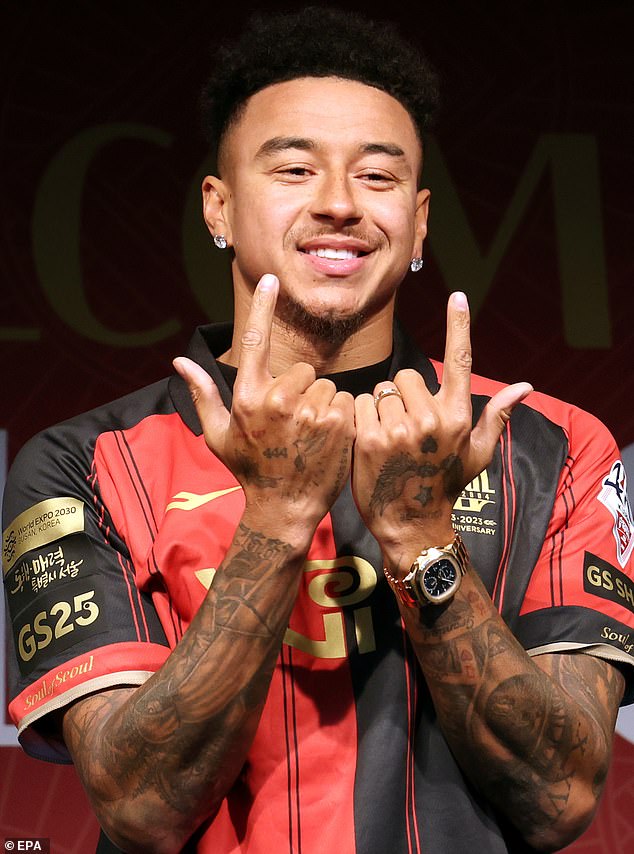
![[post_title]](https://samony.com.ng/wp-content/uploads/2025/12/Nigerian-Athlete-Oghenebrume-Faces-15-Years-Jail-Time-Over-Firearm.jpg?lm=6933DA51)
Oghenebrume Amata: A Rising Star, a Firearm Charge, and a Cautionary Tale for Nigerian Athletes Abroad
The news surrounding Nigerian athlete Oghenebrume Amata is troubling. Reports suggest she’s facing a potential 15-year prison sentence in the United States due to firearm possession charges. This situation sends ripples far beyond a single individual’s fate. It highlights several critical areas of concern for Nigerian athletes pursuing opportunities overseas, particularly in the U.S.
It’s easy to jump to conclusions. Yet, legal proceedings are intricate. The exact circumstances surrounding the charges remain unclear from initial reports. Did she know about the firearm? Was it legally obtained? These details matter significantly. The American legal system can be unforgiving, and understanding the nuances is paramount.
One must consider the vulnerabilities that Nigerian athletes might encounter when transitioning to a new country. Often young and focused solely on their sport, they might lack proper guidance on local laws, cultural differences, and potential legal pitfalls. This is especially true in a nation as complex as the United States, where gun laws vary drastically from state to state.
This case should serve as a wake-up call for athletic federations and organizations that facilitate international placements. Are they adequately preparing athletes for the legal and social realities of their new environments? Are they providing comprehensive support systems that include legal counsel and cultural orientation? It seems a chasm exists between athletic talent and comprehensive personal welfare.
Furthermore, there’s the crucial issue of representation. Finding trustworthy legal representation is essential when navigating a foreign legal system. Athletes, especially those from less privileged backgrounds, might be susceptible to exploitation or inadequate counsel. Do they have access to resources that guarantee a fair defense? I’ve seen instances where athletes are ill-advised, leading to far graver outcomes.
This incident begs the question: what proactive measures can be instituted to protect athletes like Oghenebrume Amata? Here are a few thoughts:
Mandatory Legal and Cultural Training: Before an athlete departs for an international assignment, they should participate in comprehensive training sessions covering local laws, cultural norms, and potential legal risks. This shouldn’t be a cursory overview but an in-depth exploration of the dos and don’ts.
Access to Legal Resources: Establish a network of vetted legal professionals who specialize in international sports law and are familiar with the unique challenges faced by foreign athletes. These resources must be readily available and accessible.
Mentorship Programs: Pair athletes with experienced mentors who have successfully navigated the challenges of living and competing abroad. These mentors can offer guidance, support, and a crucial reality check when needed.
Enhanced Communication: Encourage open communication between athletes, their families, and their support networks. Create a safe space where athletes can voice concerns and seek help without fear of judgment or reprisal.
It’s worth noting that the pressure to succeed can sometimes lead athletes to make poor choices. The allure of fame and fortune can be intoxicating, and the fear of failure can be paralyzing. A robust support system can provide a crucial buffer against these pressures.
The Oghenebrume Amata case resonates due to the precarious balance that many international athletes must maintain. They’re chasing dreams, representing their nation, and trying to navigate unfamiliar territory, all while facing immense pressure to perform.
We need to shift the focus from simply celebrating athletic achievement to actively safeguarding the well-being of these individuals. Perhaps a fund can be created that helps secure legal representation for athletes facing such issues. This would require more than good intentions; it requires resources and commitment.
It’s a complex situation, layered with legal, cultural, and personal factors. While the legal proceedings unfold, one hopes for a just resolution. Beyond this particular case, there’s an imperative to examine the systems in place that support (or fail to support) Nigerian athletes on the global stage. How can federations and management teams guarantee their safety and well-being abroad? The answer will define Nigeria’s commitment to its rising stars.
Keywords: Oghenebrume Amata, Nigerian athlete, firearm charge, international athletes, athlete legal issues, legal representation, sports law, athlete support system

![[post_title]](https://samony.com.ng/wp-content/uploads/2025/12/1765006345_Ashes-2025-live-score-England-search-for-early-Australia-wickets-300x200.jpg?lm=6933DC0C "Ashes 2025 live score: England search for early Australia wickets on day three after painful dropped catches")
![[post_title]](https://samony.com.ng/wp-content/uploads/2025/12/Dangote-Speaks-On-Reducing-Price-Of-Petrol-After-Meeting-Tinubu.webp.webp "Dangote Speaks On Reducing Price Of Petrol After Meeting Tinubu")
![[post_title]](https://samony.com.ng/wp-content/uploads/2025/12/1764998564_Ukraine-Russia-war-latest-Putin-risks-fresh-row-with-Trump-after-300x200.jpeg?lm=6933BDA8 "Ukraine War Reshapes Global Order: A Complex Web of Power, Diplomacy, and Risk")
![[post_title]](https://samony.com.ng/wp-content/uploads/2025/12/High-Risk-for-Frostbite-Heart-Strain-and-Chronic-Conditions-300x169.jpg?lm=6933A071 "Polar Vortex Here? What You MUST Know to Stay Safe")

![[post_title]](https://samony.com.ng/wp-content/uploads/2025/12/1765006345_Ashes-2025-live-score-England-search-for-early-Australia-wickets-1024x683.jpg?lm=6933DC0C "Ashes 2025 live score: England search for early Australia wickets on day three after painful dropped catches")
