

Analyzing FIFA’s World Cup Draw: Entertainment, Politics, and the Future of Football
The recent FIFA World Cup draw was quite the spectacle. Reading between the lines, it reveals much about the direction FIFA seems determined to take. It wasn’t just a simple draw; it was a carefully orchestrated entertainment event, complete with music, celebrities, and a hefty dose of political theater. Seeing Trump awarded a “peace prize” felt more like a calculated move to court favor than a genuine recognition of peacemaking efforts. This makes you wonder about FIFA’s priorities.
The inclusion of figures like Kevin Hart, Heidi Klum, and sports icons aimed to broaden the appeal, pulling in viewers beyond the hardcore football fan base. Robbie Williams, Nicole Scherzinger, and Lauryn Hill performing added a music festival vibe to what used to be a relatively straightforward process. It worked in getting eyes on the event; you can’t fault FIFA for wanting to boost visibility. Yet, did this level of entertainment dilute the essence of the draw itself? Maybe.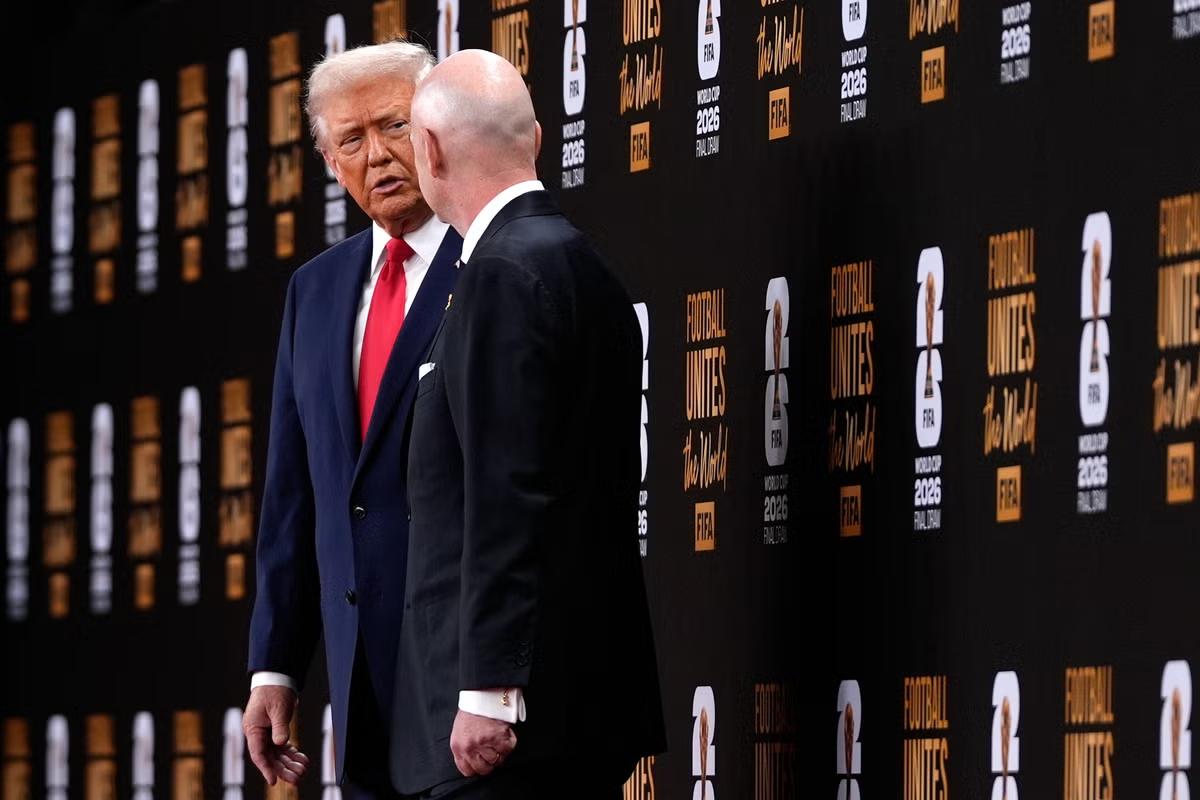 >
>
The expanded format, increasing the number of teams to 48, undoubtedly changes the competitive landscape. It offers opportunities for smaller nations, giving them a shot at the World Cup stage. This comes with its own set of challenges. Wayne Gretzky stumbled over the names of North Macedonia and Curaçao – those nations’ hopes rising, but perhaps not enough people knowing how to say their names. It also introduces added complexity to the draw itself, especially with placeholder teams awaiting playoff results.
Now, while a broader field seems more inclusive, it also raises questions about the overall quality of the tournament. Does quantity trump quality? Hard to say definitively, but fewer powerhouse match-ups are mathematically probable. It dilutes the competitive edge in the initial stages. On the other hand, more unpredictable games and underdog stories might grab audience’s interest.
The draw’s outcomes always spark immediate debate. The US finds itself in a relatively favorable group, sidestepping some of the European playoff contenders. Other teams, like Scotland, face a tougher road, drawn alongside powerhouses like Brazil and Morocco. France facing Haaland and Norway will be fun to watch. These early matchups set the tone for the entire tournament, and the narratives are already taking shape.>
FIFA’s self-proclaimed title as the “official happiness provider for humanity” feels a tad ironic, considering its history with corruption allegations. Still, one can appreciate the ambition and the desire to use football as a unifying force. It’s a fine line to walk, though, when you’re dealing with a multi-billion dollar industry that attracts both immense passion and intense scrutiny.
Looking back at past World Cup draws, the contrast is striking. Back then, the events were far more understated, focused primarily on the sporting aspects. This new approach signals a clear shift in strategy, prioritizing entertainment and spectacle. It’s a reflection of the times, where attention spans are shorter and competition for viewership is fierce.
However, this strategy comes with risks. Alienating the core fan base is a real possibility. Over-commercialization could lead to a sense of disconnect and inauthenticity. Maintaining a balance between entertainment and the integrity of the sport will be key. FIFA must navigate these waters carefully to ensure the World Cup remains the pinnacle of football.
The infusion of comedy, music, and celebrity appearances aimed to elevate the ceremony, and those additions signaled FIFA’s growing effort to turn the draw into something more than a sporting event. Some moments resonated, some didn’t, but the intent was unmistakable. What remains to be observed is whether this strategy is a long-term success. It’s a gamble, no doubt. Only time will reveal if this gamble pays off or if FIFA has fundamentally changed the World Cup draw for the worse. Regardless, the spectacle continues, and the world will be watching.

![[post_title]](https://samony.com.ng/wp-content/uploads/2025/12/Womans-two-year-journey-advocating-for-Auslan-support-highlights-cracks-in-300x169.jpeg?lm=6933685B "Silenced Seniors: Deafness in Aged Care")
![[post_title]](https://samony.com.ng/wp-content/uploads/2025/12/1764976918_Trumps-White-House-trolls-Sabrina-Carpenter-in-video-about-criminal-300x158.jpeg?lm=69336918 "Content Weaponization: Trump, Carpenter, and the Meme War")
![[post_title]](https://samony.com.ng/wp-content/uploads/2025/12/1764976928_Niger-Gov-Bago-stresses-on-teamwork-synergy-among-govt-officials-300x200.jpg?lm=69336921 "Niger State’s Great Leap Forward? What Bago’s Teamwork Push Really Means")
![[post_title]](https://samony.com.ng/wp-content/uploads/2025/12/Welcome-to-the-big-leagues-Netflix-300x156.jpg?lm=693365C8 "Netflix Eyes Warner Bros: A Streaming Giant’s Hollywood Power Play?")
![[post_title]](https://samony.com.ng/wp-content/uploads/2025/12/An-diesem-beliebten-Mallorca-Strand-sind-neue-Benimmregeln-geplant-300x158.jpg?lm=6933533D "Sóller’s Beach Ban: Paradise Lost or Sanity Restored? Mallorca’s Urgent Debate")


![[post_title]](https://samony.com.ng/wp-content/uploads/2025/12/Womans-two-year-journey-advocating-for-Auslan-support-highlights-cracks-in.jpeg?lm=6933685A "Silenced Seniors: Deafness in Aged Care")
