

![[post_title]](https://samony.com.ng/wp-content/uploads/2025/12/1764955514_World-Cup-2026-draw-live-England-Scotland-and-hosts-USA-1024x683.jpg?lm=6933157C)
2026 World Cup Draw: More Than Just Matchups
The 2026 World Cup draw is upon us, and already, there’s more to dissect than just which teams will face off. This isn’t your typical tournament. Hosted across the US, Canada, and Mexico, it’s already breaking ground. Still, beneath the surface of soccer excitement are undercurrents involving geopolitics, FIFA’s decisions, and even potential clashes of ideology.
First, the format. Expanding to 48 teams is a considerable shift. Twelve groups? That requires a more complex route to the knockout stages, with the top two from each group plus the eight best third-placed teams advancing. It’s a system designed to be inclusive, and one wonders if it might dilute the quality of the final stages. Will we see more underdog stories, or just more predictable exits for lower-ranked teams who sneak through?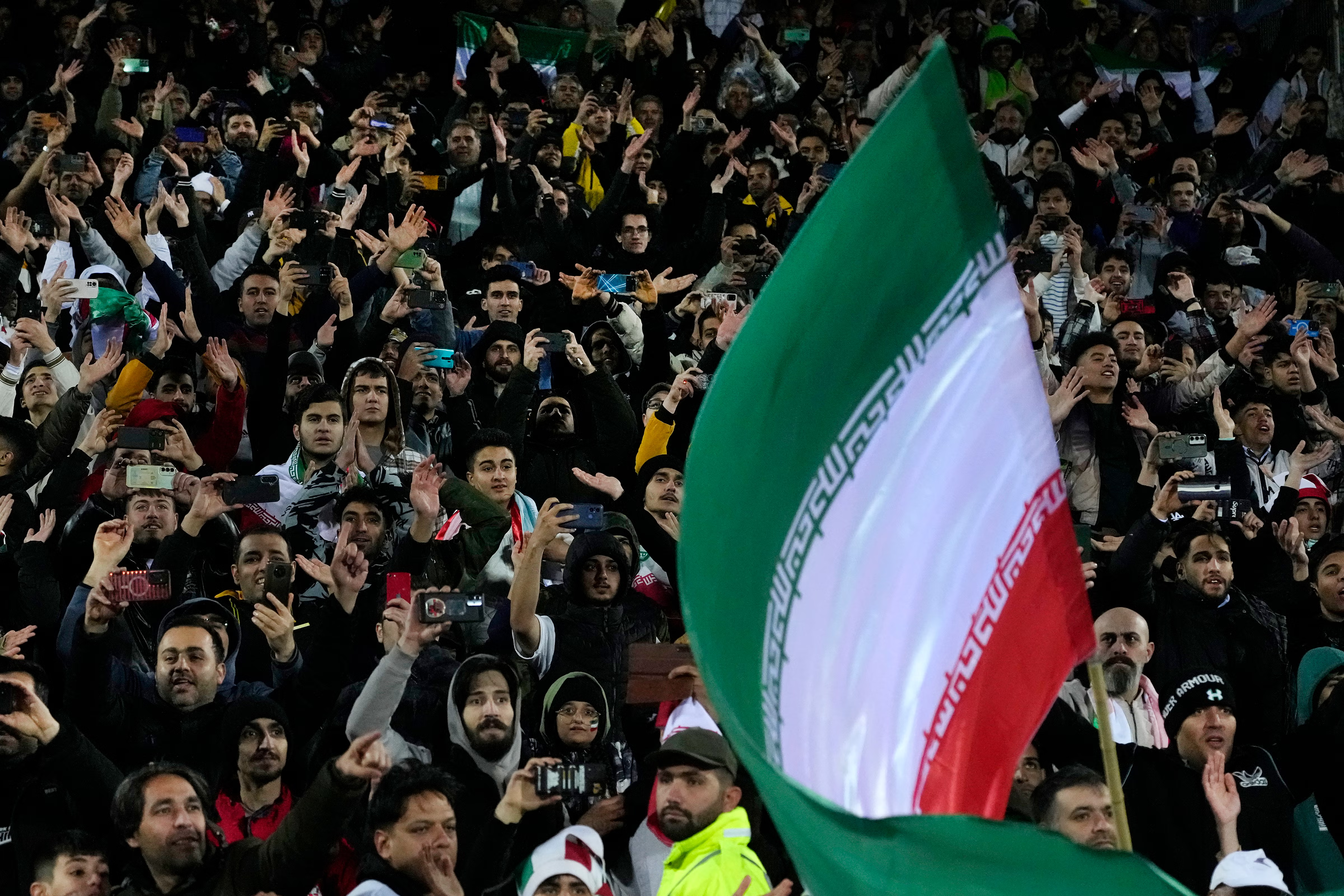 >
>
Looking at the pots, it’s interesting to see the distribution of teams. Pot 1 is the expected mix of heavyweights. But it’s the lower pots where the real intrigue lies. Debutants like Uzbekistan and Curaçao add spice, but the play-off paths to secure those final spots could create some unexpectedly strong contenders. The intercontinental play-offs, in particular, could throw up some surprise packages.
That said, the reported visa issues for Iran’s delegation and the broader travel restrictions raise serious questions. If the spirit of the World Cup is truly global unity, barring entry to fans and officials from certain nations sends a conflicting message. To that end, the claim that these restrictions include exceptions for athletes and coaches rings hollow when weighed against the exclusion of fans, who are the lifeblood of any World Cup.
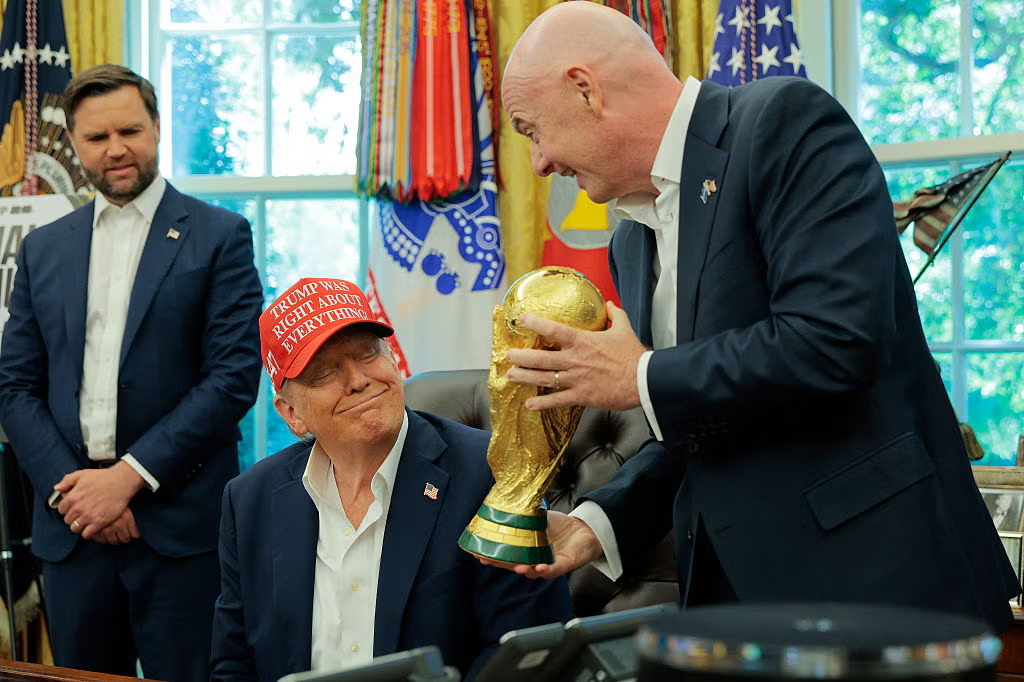
Then there’s the reported presence of Donald Trump at the draw. While presidents often attend such events, the juxtaposition of Trump’s presence –given his past rhetoric on immigration –with the World Cup’s message of inclusivity feels jarring. The administration touts expedited visa processing, yet the underlying policies remain a source of tension. Is this a genuine effort to welcome the world, or simply a calculated move to leverage the World Cup’s popularity? >
>
FIFA’s choices also warrant scrutiny. Reports of FIFA seemingly bending its own rules for high profile players like Ronaldo raise concerns. Undermining sporting integrity for the sake of star power sets a dangerous precedent. It suggests a prioritization of entertainment over fair play, which erodes trust in the governing body.
The logistics of hosting across three nations present another set of challenges. While spreading the games across North America promises to broaden the tournament’s reach, it also introduces complexities in travel, logistics, and cultural integration. Coordinating security, transportation, and accommodation across such a vast geographical area will be a monumental task.
Furthermore, consider the impact on local communities. While the economic benefits of hosting World Cup matches are often touted, the reality is more nuanced. Stadium construction, infrastructure upgrades, and increased tourism can strain local resources and displace communities. It’s essential to ensure that the benefits are shared equitably and that the negative impacts are minimized.
It’s worth noting the potential for political statements during the games themselves. With global tensions running high, the World Cup stage could be used by players or fans to voice their opinions on social or political issues. FIFA has traditionally sought to keep politics out of football, but the line between sport and politics is often blurred. How FIFA handles such situations will be closely watched.
Looking ahead, the success of the 2026 World Cup will depend on more than just the quality of the football. It will require careful planning, effective coordination, and a genuine commitment to the values of inclusivity, fair play, and global unity. Otherwise, it risks becoming a missed opportunity to showcase the best of humanity through the beautiful game.
Ultimately, the 2026 World Cup is shaping up to be a fascinating event, both on and off the pitch. It presents unique opportunities and significant challenges. Whether it lives up to its potential remains to be seen.

![[post_title]](https://samony.com.ng/wp-content/uploads/2025/12/What-I-Told-My-Daughter-When-She-Said-She-Wants.webp "Beyond the Aisle: Redefining Wedding Value in a Changing Landscape")
![[post_title]](https://samony.com.ng/wp-content/uploads/2025/12/1764955183_Martin-Kemp-tells-how-wife-Shirlie-told-him-she-loved-300x158.jpg?lm=69331430 "The Enduring Power of “I Love You”: Authenticity, Family, and the Evolving Celebrity Landscape")
![[post_title]](https://samony.com.ng/wp-content/uploads/2025/12/1764954838_US-advisory-panel-rolls-back-universal-hepatitis-B-vaccine-recommendation-300x158.jpg?lm=693312D9 "Hepatitis B Vaccine Policy: A Controversial Reversal")
![[post_title]](https://samony.com.ng/wp-content/uploads/2025/12/Netflix-to-buy-Warner-Bros-film-and-streaming-businesses-for-300x169.jpg?lm=6932FE41 "Netflix Just Made a HUGE Move: Buying Warner Bros?!")

![[post_title]](https://samony.com.ng/wp-content/uploads/2025/12/Pressure-growing-on-Pete-Hegseth-as-GOP-and-Democrats-unite-1024x683.jpg?lm=69331386 "Hegseth Under Fire: War Crime Accusations or Political Hit Job?")
![[post_title]](https://samony.com.ng/wp-content/uploads/2025/12/1764955183_Martin-Kemp-tells-how-wife-Shirlie-told-him-she-loved-1024x538.jpg?lm=69331430 "The Enduring Power of “I Love You”: Authenticity, Family, and the Evolving Celebrity Landscape")
