

cial Media Activism, Accountability, and the Harrison Gwamnishu Controversy: A Critical Look
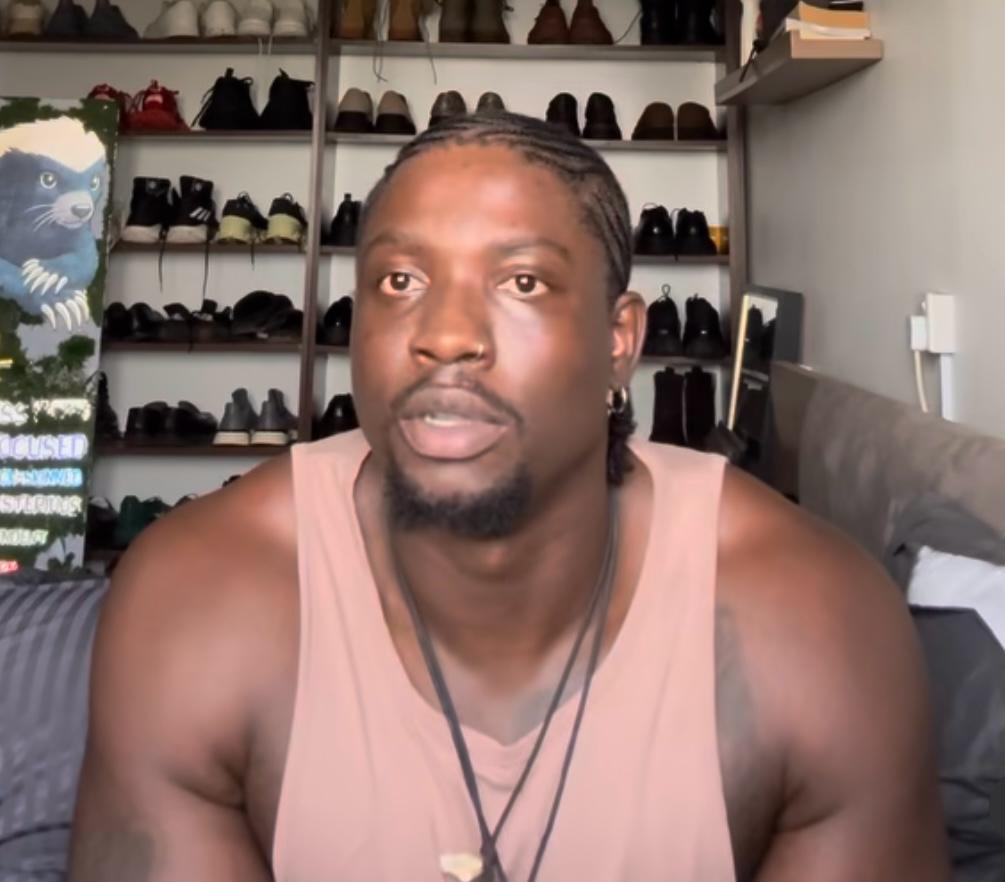
The recent allegations against Harrison Gwamnishu, a human rights activist, concerning the diversion of ransom funds, and the subsequent involvement of social media personality VeryDarkMan, throws light on some interesting, and troubling, facets of modern activism and online justice. It’s a scenario that feels increasingly familiar: accusations surface online, a digital pile-on ensues, and “truth” becomes a slippery, subjective thing.
The gist of the story is this: Gwamnishu stands accused of misappropriating funds intended to secure the release of kidnap victims. VeryDarkMan, another prominent figure on social media, has taken credit for pushing for Gwamnishu’s arrest. VeryDarkMan claims to have confirmed the allegations’ authenticity and criticized Gwamnishu’s response as manipulative, alleging it attempts to justify actions rather than reveal the truth. Gwamnishu apparently refunded the money and is in police custody.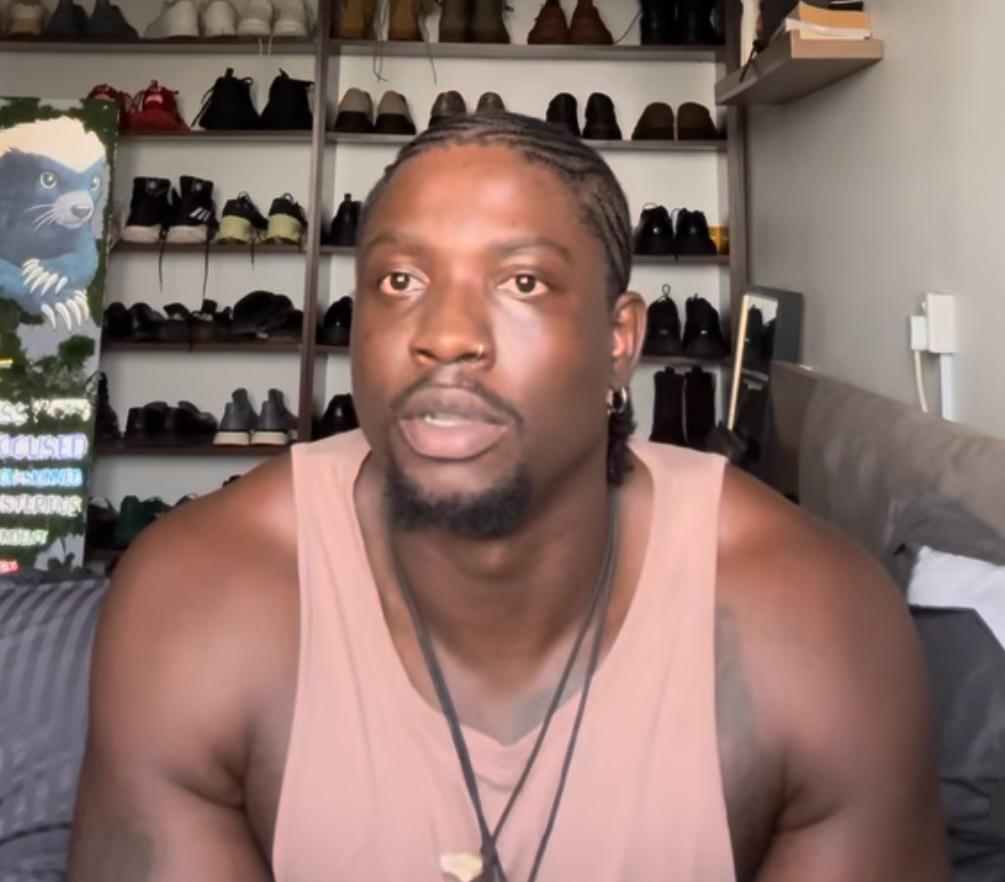 >
>
What’s playing out here? We’re seeing the rise of social media as a primary court of public opinion. In cases like this, traditional legal processes appear secondary. This can be useful, as social media might expose issues which established institutions might overlook. Yet, this also presents risks. A rush to judgment, fueled by online outrage, can easily prejudice cases, undermining due process. Anyone who’s witnessed a viral shaming campaign knows that the online world has a limited capacity for nuance.
VeryDarkMan’s role is fascinating. He positions himself as a truth-teller, a guardian against deception. That’s a powerful claim, but it raises questions about the responsibility that comes with such power. Who decides what constitutes “truth” in these situations? Is it simply the loudest voice, or the one with the most followers? It’s worth pondering whether this type of vigilantism risks devolving into personal vendettas or self-serving publicity stunts. We must be aware of the power dynamics that can surface with social media activism.
Gwamnishu’s “debunking video,” which VeryDarkMan disparages as emotional manipulation, is also notable. It highlights the challenge of crafting a narrative in the face of public scrutiny. Any response will be immediately dissected, analyzed, and judged, often with little regard for context or mitigating circumstances. This intense pressure can understandably lead to missteps and perceived evasions, even if the individual is genuinely trying to explain their position.>
The claim that Gwamnishu refunded the money adds another layer of complexity. Does this signify guilt? Or was it a pragmatic move to de-escalate the situation and avoid further public condemnation? The answer isn’t clear-cut, and rushing to conclusions would be a mistake.
It’s easy to get caught up in the drama and moral outrage of these situations. Still, taking a step back reveals more profound concerns about the evolving landscape of accountability. The speed and reach of social media create an environment where reputations can be destroyed in an instant. This pressure can bring wrongdoers to account. However, it also opens the door to abuse and misjudgment.
Furthermore, the lines between activism, entertainment, and personal branding are increasingly blurred. For figures like VeryDarkMan, these controversies can amplify their profile and influence, which is worth noting when assessing motivations. This doesn’t necessarily invalidate their actions, but it does warrant a healthy dose of skepticism.
Having observed similar situations unfold in recent years, one thing has become exceedingly clear: online narratives are often far more complex than they appear. There are hidden agendas, biases, and incomplete information. It’s vital to approach these controversies with a critical eye, resisting the temptation to jump on the bandwagon of outrage. Demanding transparency and accountability is vital, but so is preserving the principles of due process and reasoned judgment.
As social media increasingly influences public discourse, we need to reflect on how to harness its power responsibly. This requires developing media literacy skills and encouraging careful consideration of all perspectives. It also means accepting that some questions may not have easy answers and that the pursuit of justice is a messy, multifaceted undertaking.


![[post_title]](https://samony.com.ng/wp-content/uploads/2025/12/Galatasaray-seek-to-get-back-in-groove-as-unbeaten-Samsunspor-300x169.jpg?lm=6932C54B "Galatasaray and Samsunspor Clash: Süper Lig Showdown")
![[post_title]](https://samony.com.ng/wp-content/uploads/2025/12/1764926114_Im-A-Celeb-reveals-major-rule-change-for-campmates-just-300x158.jpg?lm=6932A2A6 "Jungle Signals: Decoding Reality TV’s Evolution Through “I’m A Celeb”")
![[post_title]](https://samony.com.ng/wp-content/uploads/2025/12/Speaker-15-Rivers-Assembly-members-officially-dump-PDP-join-APC-300x162.jpg?lm=6932BF9C "Rivers Assembly Defections: APC Gains, PDP Faces Crisis")


![[post_title]](https://samony.com.ng/wp-content/uploads/2025/12/1764940473_Meghan-McCain-skewers-Tucker-Carlson-after-his-guests-bizarre-fat-1024x683.jpeg?lm=6932DABF "Meghan McCain skewers Tucker Carlson after his guest’s bizarre fat shaming comments during Milo interview")
![[post_title]](https://samony.com.ng/wp-content/uploads/2025/12/Galatasaray-seek-to-get-back-in-groove-as-unbeaten-Samsunspor-1024x576.jpg?lm=6932C54C "Galatasaray and Samsunspor Clash: Süper Lig Showdown")
