

Leye Kupoluyi Takes the Helm: Analyzing the Future of the Lagos Chamber of Commerce and Industry (LCCI)
The Lagos Chamber of Commerce and Industry (LCCI) recently announced Engr. Leye Kupoluyi as its 44th president, succeeding Gabriel Idahosa. This transition prompts a crucial question: what direction will the LCCI take under new leadership, and what does it signify for Nigeria’s business landscape?
Kupoluyi’s background certainly paints a picture of experience. With over four decades in engineering, spanning power, facilities management, renewable energy, and trade promotion, he appears well-versed in the challenges and opportunities facing Nigerian businesses. His leadership of the Trade Promotion Board, with its focus on technology and accessibility, suggests a forward-thinking approach. It’s worth noting his entrepreneurial experience as the MD/CEO of Universal Power Systems Nigeria Limited. That intimate perspective on running a business in Nigeria could be invaluable when advocating for members.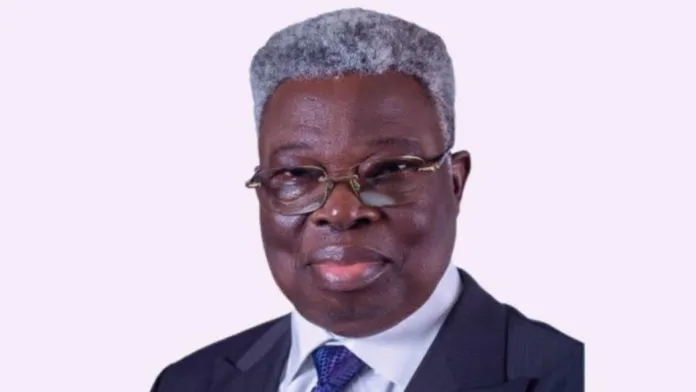 >
>
However, experience alone isn’t a guarantee. The LCCI presidency comes with significant expectations. Members need strong representation and effective advocacy, particularly amid ongoing economic uncertainties. The Chamber’s ability to navigate complex policy landscapes and champion the interests of its diverse membership base will be closely watched.
One bright spot: The LCCI Director-General, Chinyere Almona, emphasizes that Kupoluyi’s leadership should enhance policy engagement and create a more stable environment. This suggests a continuity of purpose, a focus on practical solutions. Still, the actual impact will depend on the specific initiatives Kupoluyi champions and how effectively he collaborates with government bodies.
From 2021 to 2023, as chairman of the Trade Promotion Board, he created the Tech Hub Project, aimed to help businesses adapt to tech. One can assume he will push for similar technology and innovation initiatives. In any case, seeing those plans come to fruition will be crucial.>
Looking back, the LCCI has a history of advocating for policies that foster economic growth, trade, and investment. The question now becomes, how will Kupoluyi build upon this legacy? Will he prioritize certain sectors or adopt new strategies to tackle persistent issues like infrastructure deficits, regulatory bottlenecks, and access to finance?
The announcement references Kupoluyi’s focus on technology and the free-entry initiative at the Lagos International Trade Fair. These are positive signs. Yet, turning these individual successes into broader, systemic changes that benefit all LCCI members constitutes a genuine test. Can he leverage his engineering background to advocate for improved infrastructure? Can he use his business acumen to push for more business-friendly regulations?
The LCCI operates in a complex ecosystem. Government policies, global economic trends, and local market dynamics all play a role. A successful president must be adept at navigating these complexities and building consensus among diverse stakeholders. Kupoluyi’s past engagement on the Governing Council of Lagos State Polytechnic could provide insights into navigating government bureaucracy, potentially proving helpful in this role.
This challenge also involves ensuring that the LCCI remains relevant and valuable to its members. In an era of rapid technological change and evolving business models, the Chamber must adapt to meet the changing needs of its constituents. This means providing relevant training, resources, and networking opportunities that help businesses thrive.
It’s worth mentioning the importance of collaboration. The LCCI’s effectiveness hinges on its ability to collaborate with other business organizations, government agencies, and international partners. Building strong relationships and fostering open communication are essential for achieving common goals.
There’s a lot riding on this transition. The LCCI plays a vital role in shaping the business environment in Lagos and Nigeria as a whole. Kupoluyi’s leadership will be pivotal in determining whether the Chamber can continue to effectively champion the interests of its members and contribute to sustainable economic growth. His actions in the next few years will either cement the LCCI’s position as a leading voice for business or expose its vulnerabilities in a rapidly changing world.
The ECOWAS International Gold Award and Rotary International Entrepreneurship Service Award recognitions speak to civic and professional engagement. These suggest a commitment to broader societal goals. Given these facts, it will be interesting to see how he integrates these values into his leadership of the LCCI, perhaps through initiatives that promote corporate social responsibility or support sustainable development.
Ultimately, Kupoluyi’s success will be measured by his ability to deliver tangible results for LCCI members. This requires a clear vision, effective communication, and a relentless focus on execution. The Nigerian business community will be watching closely to see if he can rise to the occasion. He has the experience and the background, but turning potential into reality is never a foregone conclusion.
The future trajectory of the LCCI, and indeed a small part of Nigeria’s economic narrative, now rests, at least in part, on his shoulders.

![[post_title]](https://samony.com.ng/wp-content/uploads/2025/12/Speaker-15-Rivers-Assembly-members-officially-dump-PDP-join-APC-300x162.jpg?lm=6932BF9A "Rivers Assembly Defections: APC Gains, PDP Faces Crisis")

![[post_title]](https://samony.com.ng/wp-content/uploads/2025/12/1764933190_Trump-administration-confirms-major-expansion-of-travel-ban-300x200.jpg?lm=6932BE49 "U.S. Travel Ban Expansion: Implications and Global Context")
![[post_title]](https://samony.com.ng/wp-content/uploads/2025/12/Microsoft-finally-has-a-better-looking-Run-dialog-for-Windows-300x156.jpg?lm=6932BB36 "Windows 11 Run: Modernization or Makeover?")
![[post_title]](https://samony.com.ng/wp-content/uploads/2025/12/Websites-back-online-as-Cloudflare-issues-fix-for-dashboard-issue-300x169.jpeg?lm=6932A8F6 "Internet Infrastructure: Centralization’s Cracks")
![[post_title]](https://samony.com.ng/wp-content/uploads/2025/12/Man-tests-gas-explosion-myth-with-two-phones-on-leaking-300x150.jpg?lm=6932A959 "Gas Explosion Myths: Context Blindness and the Erosion of Common Sense")

![[post_title]](https://samony.com.ng/wp-content/uploads/2025/12/1764926114_Im-A-Celeb-reveals-major-rule-change-for-campmates-just-1024x538.jpg?lm=6932A2A6 "Jungle Signals: Decoding Reality TV’s Evolution Through “I’m A Celeb”")
![[post_title]](https://samony.com.ng/wp-content/uploads/2025/12/Speaker-15-Rivers-Assembly-members-officially-dump-PDP-join-APC.jpg?lm=6932BF99 "Rivers Assembly Defections: APC Gains, PDP Faces Crisis")
