

![[post_title]](https://samony.com.ng/wp-content/uploads/2025/12/1764911777_Updated-More-nominees-make-Tinubus-ambassadorial-list.jpg?lm=69326AA1)
Tinubu’s Ambassadorial List: A Critical Look at Nigeria’s Diplomatic Reshuffle
President Tinubu has submitted a substantial list of ambassadorial nominees to the Senate, seeking their confirmation. Sixty-five names in total. Blueprint.ng obtained the list, separating it into career diplomats and political appointees. It’s a mix, as always, and triggers familiar questions about Nigeria’s diplomatic strategy.
The list includes 34 career diplomats, individuals who’ve theoretically worked their way up through the Foreign Service. Think Ambassador Sulu-Gambari Olatunji Ahmed from Kwara, or Ambassador Ahmed Mohammed Monguno from Borno. You’d expect seasoned professionals. Yet, the actual impact of these career diplomats often gets overshadowed. Are they truly empowered to shape Nigeria’s foreign policy, or simply executing directives?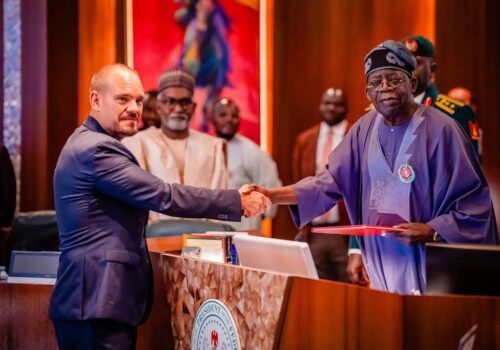 >
>
Then we have the 31 non-career nominees – political appointees. This is where it gets interesting, and predictably, more controversial. Senator Solomon Ita Enang, Vice Admiral Ibas Ibok-Ete (rtd), General Abdulrahaman Dambazzau (rtd), and Femi Fani-Kayode all appear on this part of the list. These are names with political weight, individuals rewarded for loyalty or, perhaps, strategically placed to advance specific interests.
It is interesting to note that President Tinubu is relying on Section 171 of the 1999 Constitution for these appointments. This section grants him the power, but it doesn’t guarantee optimal outcomes.
The Senate is expected to review the nominations quickly. The question is, how thorough will this review be? Will they truly scrutinize the qualifications and suitability of each nominee, or will it be a rubber-stamp exercise, driven by political considerations? I’ve witnessed similar processes before, and the level of scrutiny can vary wildly.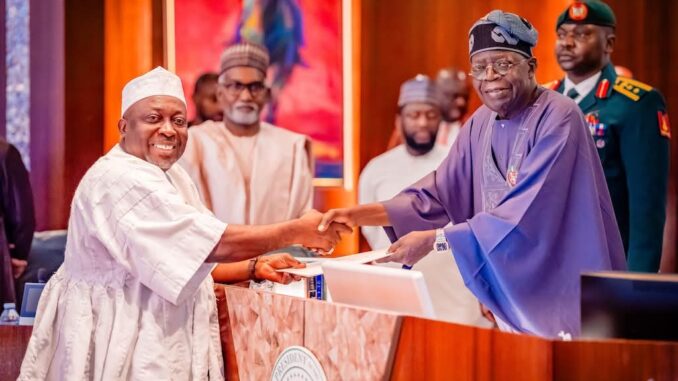 >
>
Looking closer at the non-career list, the choices raise eyebrows. Solomon Ita Enang, a former Senator, and Femi Fani-Kayode, a well-known political commentator, possess significant public profiles. But does name recognition translate to diplomatic skill? Will they adeptly represent Nigeria’s interests on the global stage, or will their appointments be perceived as rewards for political service?
Ibok-Ete Ibas’ nomination as a retired Vice Admiral hints at a possible focus on security-related diplomacy, which could be beneficial given the current geopolitical climate. Dambazzau’s prior experience as Chief of Army Staff might mean he will be focused on addressing security concerns. It suggests a calculated approach, but whether it yields the desired results remains to be seen.
Also on the non-career side are Senator Grace Bent, Nkechi Linda Okocha, and Florence Ajimobi. Their selection prompts the question: what specific expertise or experience do they bring to the table? Are they there to represent specific demographics, solidify political alliances, or contribute meaningfully to Nigeria’s foreign policy objectives?
Consider the geographical distribution. The list attempts to reflect Nigeria’s federal character, with nominees from nearly every state. This is politically necessary, but does it always guarantee the most qualified candidates are selected? Striking a balance between representation and competence is a constant challenge.
It’s worth noting the inclusion of individuals with legal backgrounds, such as Barrister Olumilua Oluwayimika Ayotunwa. Legal expertise can be valuable in international negotiations and treaty drafting. A mix of skillsets makes sense.
Past ambassadorial appointments have often been criticized for lacking clear strategic vision. Nigeria’s foreign policy objectives sometimes appear reactive rather than proactive. Will these new appointments change that? Can we expect a more assertive and coherent diplomatic strategy under Tinubu’s administration?
The effectiveness of an ambassador hinges on several factors: their understanding of international relations, their communication skills, their ability to build relationships, and their commitment to promoting Nigeria’s interests. These qualities aren’t always apparent on a resume or a political profile.
Ultimately, the success of these ambassadorial appointments will depend on the individuals themselves, the support they receive from the Ministry of Foreign Affairs, and the overall direction of Nigeria’s foreign policy. Merely filling positions isn’t enough. The goal should be to strengthen Nigeria’s relationships, attract investment, and project a positive image on the global stage.
Given these facts, we must watch closely how these nominees perform if confirmed. Time will tell if this reshuffle will reinvigorate Nigeria’s diplomatic efforts or simply perpetuate the status quo. The potential is there, but the execution is everything.

![[post_title]](https://samony.com.ng/wp-content/uploads/2025/12/1764911867_Ashes-2025-live-score-Head-dropped-on-three-as-England-300x194.jpeg?lm=69326AFC "Ashes 2025: England Faces Early Bowling Struggles, Missed Chances Against Australia")
![[post_title]](https://samony.com.ng/wp-content/uploads/2025/12/Blue-Jays-Election-top-Googles-Canadian-2025-Year-in-Search-300x169.jpg?lm=69326764 "Canada’s 2025 in Google Search: Blue Jays, Elections, and Global Concerns")

![[post_title]](https://samony.com.ng/wp-content/uploads/2025/12/VIO-Takes-Step-After-Appeal-Court-Ban-On-Impounding-Vehicles.webp.webp "They Banned Impounding Cars?! What Happens Now Is Actually Pretty Smart")
![[post_title]](https://samony.com.ng/wp-content/uploads/2025/12/How-to-watch-todays-Toronto-Raptors-vs-Los-Angeles-Lakers-300x169.jpg?lm=693253BE "Raptors Host Lakers: Key Matchups, Injuries, and Game Analysis")

![[post_title]](https://samony.com.ng/wp-content/uploads/2025/12/Is-Lifting-Weights-Good-for-Heart-Health-1024x576.jpg?lm=69326877 "Strength Training: A Powerful Workout for Heart Health")
![[post_title]](https://samony.com.ng/wp-content/uploads/2025/12/1764911867_Ashes-2025-live-score-Head-dropped-on-three-as-England-1024x662.jpeg?lm=69326AFD "Ashes 2025: England Faces Early Bowling Struggles, Missed Chances Against Australia")
