![[post_title]](https://samony.com.ng/wp-content/uploads/2025/12/1764896764_Hegseth-orders-new-strike-that-kills-4-on-alleged-drug-1024x683.jpg?lm=69323000)
Analyzing the Escalation of U.S. Military Actions: A Critical Look at Recent Strikes
The news cycle is buzzing about a recent incident: Defense Secretary Pete Hegseth reportedly directed a strike on an alleged drug boat, resulting in the death of four individuals. This action, carried out by Joint Task Force Southern Spear, raises several crucial questions, especially when placed within the context of previous controversial strikes and ongoing debates about the Trump administration’s military policies.
It’s worth noting that this strike occurred amid scrutiny of “double tap” tactics, a concept I’ve watched unfold with increasing unease over the years. The official narrative frames this as a targeted operation against narco-terrorists transporting illicit narcotics. The U.S. Southern Command even publicized the event on social media, emphasizing the confirmed intelligence. Yet, the speed and confidence with which these claims are presented always give me pause.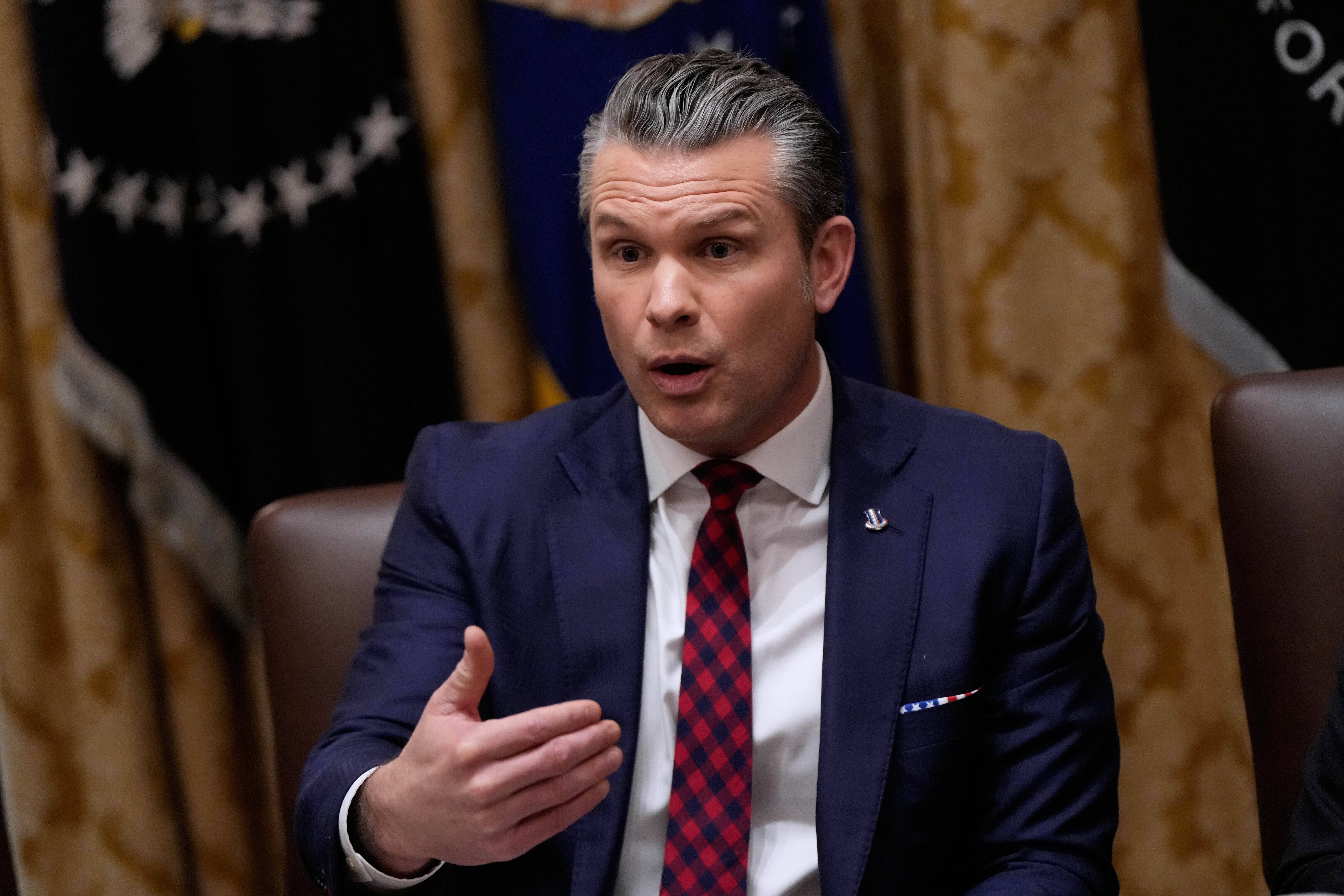 >
>
The sheer number of casualties linked to these types of operations is a concern. Reports indicate the Trump administration’s strikes have led to 86 deaths. That’s a significant figure, and it demands more than just a cursory glance. We need to probe the intelligence gathering processes, the rules of engagement, and the potential for civilian casualties or misidentification.
Adding another layer, Admiral Frank “Mitch” Bradley presented footage of past strikes to members of the House and Senate Armed Services and Intelligence Committees. While the intention was likely to provide transparency or justify these actions, the reaction from at least one lawmaker suggests the opposite effect. Representative Jim Himes described the footage as “one of the most troubling things” he’s witnessed during his time in public service. Such a strong statement hints at serious ethical or legal issues lurking beneath the surface.
Now, the timing of this strike, immediately following Bradley’s presentation, is also interesting. Was it a demonstration of resolve? Or was it perhaps an attempt to deflect attention from the concerns raised by the earlier footage? Regardless, it creates an impression of a military apparatus operating with considerable autonomy.>
The term “narco-terrorist” itself warrants careful consideration. While there are undeniable links between drug trafficking and terrorist organizations in some regions, applying this label broadly risks blurring the lines and expanding the scope of military intervention. It invites the question: are we truly targeting terrorists, or are we expanding the definition to justify actions against drug cartels? The distinction is critical and has significant implications for international law and human rights.
This latest incident, viewed in isolation, might seem like a justifiable action against a legitimate threat. But when viewed within the larger framework of escalating military strikes, questionable tactics, and potential legal ambiguities, a far more troubling picture comes into focus.
Given these facts, the need for independent oversight and thorough investigation is paramount. Congress, the media, and civil society organizations must relentlessly pursue answers to the difficult questions this strike raises. They must assess the intelligence, analyze the legal justifications, and scrutinize the human cost. This isn’t about hindering military operations; it’s about ensuring accountability and upholding the values we claim to defend.
What’s more, we should examine the long-term consequences of this strategy. Has the increased use of lethal strikes demonstrably reduced drug trafficking or terrorism? Or has it simply fueled instability, radicalized local populations, and created a cycle of violence? These are complex questions with no easy answers, and they demand a level of nuanced analysis that goes far beyond simplistic pronouncements.
Still, the drive for security should be balanced with ethical considerations. The potential for unintended consequences—the erosion of international norms, the alienation of allies, and the creation of new enemies—should give everyone pause.
Yet, if we don’t start asking these difficult questions now, we risk sleepwalking into a future where the use of lethal force becomes normalized, accountability is diminished, and the very principles we claim to defend are eroded. This challenge requires vigilance, critical thinking, and a willingness to question the narratives we are being told. To that end, let’s push for more transparency and robust oversight of these military actions. The stakes are far too high to remain silent.

![[post_title]](https://samony.com.ng/wp-content/uploads/2025/12/Groups-to-Tinubu-Disregard-lawmakers-call-for-Ribadus-sack-300x169.png?lm=69323084 "Ribadu’s Job on the Line? What Nigeria’s NSA Debate Really Means")

![[post_title]](https://samony.com.ng/wp-content/uploads/2025/12/President-Tinubu-Swears-In-Christopher-Danjuma-As-Minister-of-Defence-225x300.jpg?lm=69323182 "From Barracks to Boardroom: Can Danjuma Bridge Nigeria’s Security Divide?")
![[post_title]](https://samony.com.ng/wp-content/uploads/2025/12/1764897203_Manchester-United-fans-boo-as-West-Ham-steal-away-vital-300x209.jpeg?lm=693231B6 "Manchester United’s Season of Frustration")
![[post_title]](https://samony.com.ng/wp-content/uploads/2025/12/Apple-announces-even-more-major-executive-turnover-300x156.jpg?lm=69322D9B "Apple’s Big Leadership Shakeup: What’s Really Going On With Environment and Policy?")
![[post_title]](https://samony.com.ng/wp-content/uploads/2025/12/Cruzeiro-explica-ausencia-de-zagueiro-contra-o-Botafogo-pelo-Brasileiro-300x180.jpg?lm=69321AD8 "Cruzeiro Defender’s Absence Highlights Team Strategy and Player Well-being Trends")

![[post_title]](https://samony.com.ng/wp-content/uploads/2025/12/Nigeria-Approves-Fiscal-Plan-Proposing-N545trn-2026-Budget-1024x575.jpg?lm=69323045 "Nigeria’s N54.5 Trillion Budget: Ambition vs. Reality")
![[post_title]](https://samony.com.ng/wp-content/uploads/2025/12/Groups-to-Tinubu-Disregard-lawmakers-call-for-Ribadus-sack-1024x576.png?lm=69323084 "Ribadu’s Job on the Line? What Nigeria’s NSA Debate Really Means")