FIFA, Ronaldo, and the Shifting Sands of Football’s Integrity
FIFA’s recent decision to reduce Cristiano Ronaldo’s ban raises eyebrows and forces a hard look at the direction of the sport. They cited Article 27, allowing for “partial suspension” of disciplinary measures. It turned a three-match ban for elbowing into just one game. This doesn’t sit right with many, especially since Ronaldo’s track record includes 12 red cards – hardly the profile of a player deserving leniency.
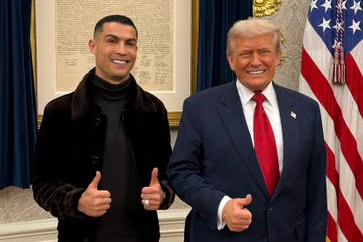
The timing is hard to ignore. Just days before, Ronaldo was hobnobbing at a White House state dinner. The photo-op with Elon Musk and Gianni Infantino captures much of what’s happening in football today. Seeing a foreign footballer at an official White House event alongside US and Saudi heads of state is new territory. It felt like a preview of the political theater around the upcoming World Cup draw.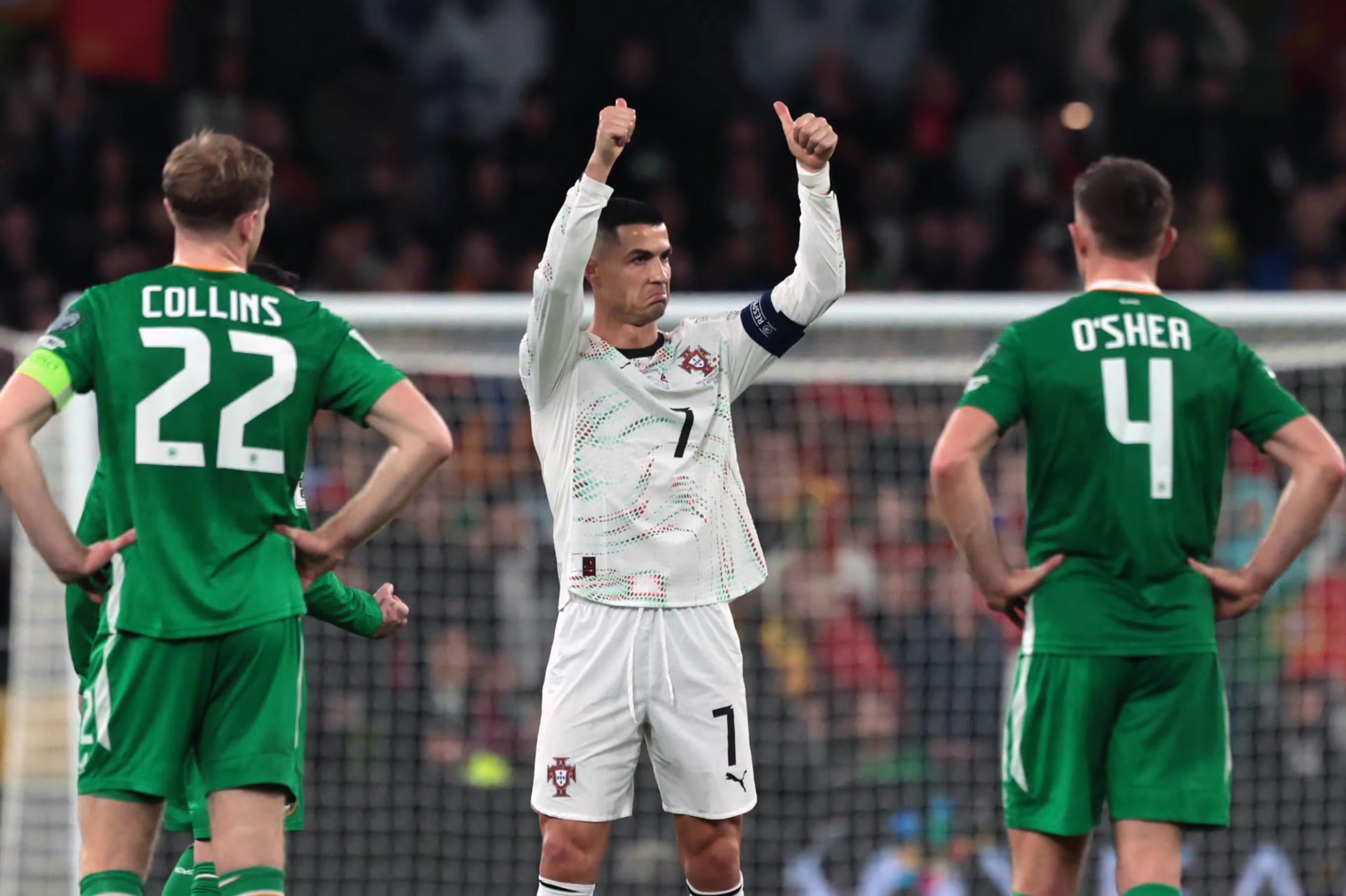 >
>
Infantino, of course, is no stranger to these circles. He gets to chat with world leaders about hosting the 2026 and 2034 World Cups. Perhaps Musk will pop up again, just like he did at the 2022 final, even though his social media habits sometimes clash with FIFA’s copyright enforcement. It’s easy to see how one rule applies to some, and another to others.
That East Room event was, in some ways, a microcosm of football’s current state. We see sportswashing front and center, alongside blatant commercialization, and the US emerging as a new battleground. The game is undeniably being used to advance political agendas, and social media, particularly X (formerly Twitter), fuels toxic discourse and reshapes the sport’s culture in ways that aren’t always positive.
FIFA, under Infantino, is often accused of enabling this, especially given his close ties with figures like Trump. The Ronaldo decision, though, strikes a different nerve. A senior figure recently described it as “one of the worst things they’ve done.”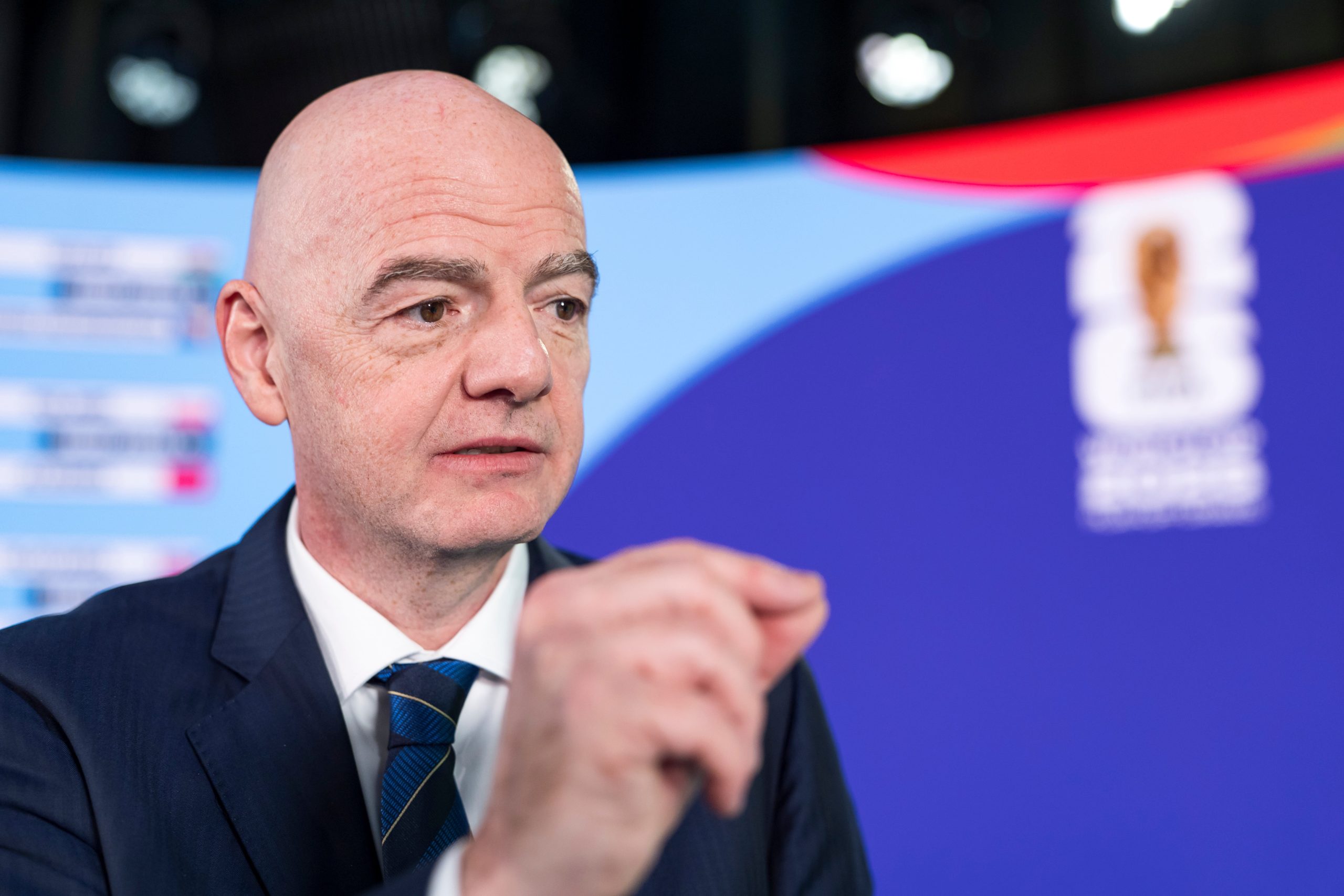 >
>
While it lacks the political implications of sportswashing, this decision goes to the core of FIFA’s purpose: running the sport fairly. The rationale behind shortening Ronaldo’s ban remains unclear, yet it ensures the world’s most famous player is available for a commercially vital World Cup. It looks like the rot has reached sporting integrity.
This decision reveals how norms in football have been warped under the current FIFA. The issues surrounding the game have seeped into the sport itself. We’ve seen it before with the accelerated march towards Saudi Arabia being the only possible host for the World Cup, or calendar changes implemented unilaterally. We saw it as the Club World Cup entry rules shift, potentially paving the way for Messi’s Inter Miami, and bespoke transfer windows materialize for specific tournaments. This Ronaldo situation feels like a natural, yet absurd, progression.
Historically, FIFA and UEFA upheld fairness. They didn’t typically yield to star power. Think back to 2002, when Rivaldo received no leniency for simulation. Decades prior, UEFA refused to shorten Liam Brady’s ban, despite pleas from influential figures in Italian football. Things seem different today.
Now, other federations, from Argentina to Romania, are seeking similar leniency for their players. Countries drawn against Portugal might even take their case to the Court of Arbitration for Sport.
The real danger is that something fundamental – the rules of the game and the inherent fairness of sport – is at risk. FIFA seems to be bending the game to suit its own interests, rather than serving its members.
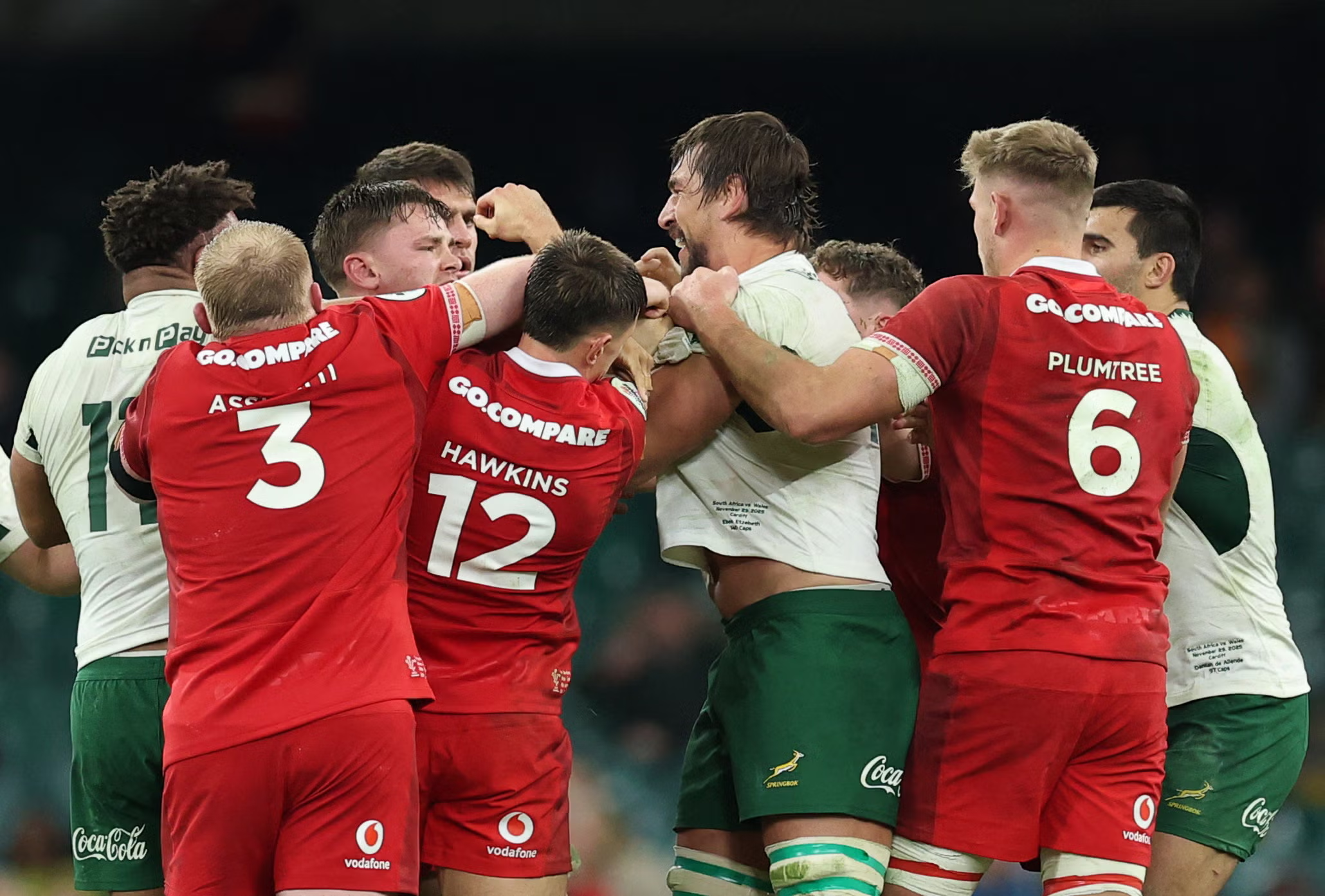
This runs counter to FIFA’s claims of upholding integrity through initiatives like their “Global Integrity Programme.” Compare this to rugby, where such situations are impossible. Their regulations are clear: a suspended player is suspended from all matches, period. Football seemingly now allows for “other considerations.”
Infantino, when elected in 2016, promised more money, and a commercially successful World Cup delivers that. Ronaldo’s presence undeniably boosts those prospects.
All this might test something even more fundamental than integrity. Infantino inherited the 32-team World Cup format, arguably the most perfect sporting event ever devised. It has a magic that overcomes everything, from human rights questions to the darker sides of the game.
Now, FIFA has already tinkered with it by expanding to a 48-team World Cup. They risk sacrificing the very sporting trust that makes it all work. The question becomes: is short-term commercial gain worth jeopardizing the long-term integrity of the sport? It will be interesting to see what unfolds. It’s a pattern I’ve observed before; the focus shifts from the love of the game to the love of the money it generates. And that never ends well.


![[post_title]](https://samony.com.ng/wp-content/uploads/2025/12/1764867688_Gen-Z-admit-to-overthinking-in-winter-as-half-use-300x158.png?lm=6931BE6A "Gen Z’s Winter Overthinking: Tech Dependence vs. Grounding Solutions")
![[post_title]](https://samony.com.ng/wp-content/uploads/2025/12/Iran-Sends-Delegation-To-World-Cup-Draw-After-Threats-To.jpg?lm=6931BEBA "Navigating Geopolitics: Lessons from Iran’s World Cup Dance and the Ever-Present Data Game")
![[post_title]](https://samony.com.ng/wp-content/uploads/2025/12/1764867072_Lego-announces-NASA-Artemis-SLS-rocket-set-to-lift-off-300x169.jpg?lm=6931BC04 "LEGO’s Artemis: More Than a Toy, a Gateway to STEM Engagement?")