

![[post_title]](https://samony.com.ng/wp-content/uploads/2025/12/1764867072_Lego-announces-NASA-Artemis-SLS-rocket-set-to-lift-off-1024x576.jpg?lm=6931BC04)
LEGO’s Artemis Rocket: More Than Just Bricks, A Sign of the Times?
LEGO’s 2026 launch of a NASA Artemis Space Launch System (SLS) rocket model, complete with a simulated liftoff, grabs attention. Beyond just a cool toy, what does this tell us about the space industry and STEM education trends?
It’s not news that space exploration captures imaginations. We’ve seen it before – think of the Apollo era. But this Lego set, with its functional staging and collaboration with NASA and the ESA, hints at a deeper engagement. The Artemis program, with its ambition to return to the moon, is sparking interest, and LEGO is cleverly tapping into that. It makes sense. People latch onto tangible, interactive representations of complex engineering feats.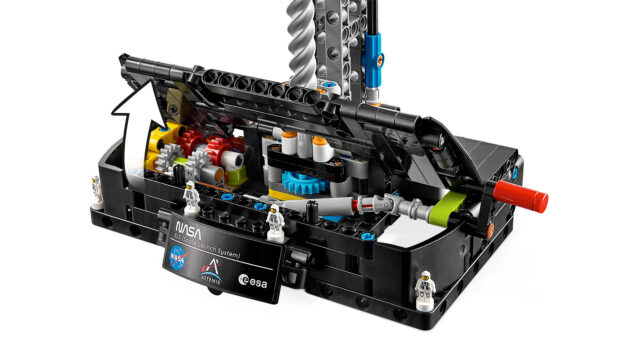 >
>
The appeal extends beyond childhood nostalgia or simple model building. This kit is part of LEGO’s Technic line, targeting older builders with intricate mechanics. The description notes that a crank system allows separation of the solid rocket boosters, core stage, and upper stage, simulating an actual mission. It’s like basic mechanical engineering disguised as a toy.
Yet, a healthy dose of skepticism is warranted. Will this Lego set genuinely inspire the next generation of aerospace engineers, or is it just another well-marketed product capitalizing on current trends? The truth likely lies somewhere in the middle. It can pique curiosity, spark conversations, and introduce fundamental concepts. Whether that translates into a career in STEM is a different story.
This highlights something bigger: the increasing need for creative ways to engage with STEM subjects. Traditional classroom learning often feels abstract. Giving kids (and adults) a hands-on way to visualize and interact with real-world technology can be incredibly powerful.>
It’s also worth noting the price point. At $59.99, it’s relatively accessible, although there are other LEGO sets that reach into the hundreds. But affordability remains a critical factor. How do we ensure that these inspiring tools are available to children from all socioeconomic backgrounds? This challenge demands attention if we aim to broaden participation in STEM.
This isn’t the first time LEGO has partnered with NASA or produced space-themed sets. They’ve been doing it for years. What feels different now is the level of realism and functionality they’re incorporating. This Artemis SLS set isn’t just a static model; it’s designed to mimic the launch sequence. It’s interactive, which could create a more memorable learning experience.
Given these facts, the long-term success of this model won’t rest solely on its playability. It hinges on its ability to convey the core principles of space travel and rocketry in an engaging, accurate manner. If it falls short, it risks becoming just another toy, destined for the back of the closet.
To that end, the involvement of NASA and the ESA lends credibility. Their expertise helped shape the design, ensuring that the set captures the essential aspects of an Artemis mission. Still, there’s a fine line between accuracy and complexity. Overly detailed instructions or a confusing build process could deter potential enthusiasts.
The trend of toy companies partnering with space agencies showcases a shift in public perception. Space exploration isn’t just the domain of governments and research institutions anymore. It’s becoming more accessible, more relatable, and, importantly, more commercialized.
It will also be interesting to see how LEGO markets this set. Will they focus solely on the “fun” aspect, or will they actively promote its educational value? The messaging will significantly impact how it’s perceived and ultimately, whether it achieves its potential to inspire.
I’ve seen similar patterns emerge in other industries. The intersection of entertainment, education, and technology is becoming increasingly blurred. Companies are recognizing the power of combining engaging experiences with educational content. It’s not enough to simply entertain; people want to learn something along the way.
Yet, the space industry presents unique hurdles. The cost, complexity, and long-term nature of space exploration require sustained public support. Can initiatives like this LEGO set contribute to that support? Perhaps. By making space more tangible and understandable, it could cultivate a broader base of advocates.
In any case, LEGO’s Artemis SLS rocket model is a microcosm of the broader trends shaping the space industry. It reflects our enduring fascination with space, the growing emphasis on STEM education, and the increasing role of commercial partnerships. Whether it helps launch the next generation of astronauts remains to be seen, but it definitely points to an exciting future.


![[post_title]](https://samony.com.ng/wp-content/uploads/2025/12/Peter-Obi-reacts-to-distribution-of-2027-campaign-vehicles-for-300x166.jpeg?lm=6931A32F "Obi Slams Tinubu’s Luxury Vehicles: Is Nigeria’s Trust Broken Again?")

![[post_title]](https://samony.com.ng/wp-content/uploads/2025/12/Why-Does-Yogurt-Hurt-My-Stomach-300x169.jpg?lm=6931A158 "Yogurt Hurts Your Stomach? Here’s Why")
![[post_title]](https://samony.com.ng/wp-content/uploads/2025/12/FBI-announces-arrest-of-suspect-who-left-pipe-bombs-in-300x200.jpg?lm=6931A1B2 "Okay, they finally made an arrest in the January 6th pipe bomb case, but is something still off?")
![[post_title]](https://samony.com.ng/wp-content/uploads/2025/12/1764860569_Prince-Harry-makes-surprise-TV-appearance-as-father-in-law-in-intensive-300x158.jpg?lm=6931A29B "Prince Harry’s Colbert Cameo: A Calculated Move or Royal Overexposure?")


![[post_title]](https://samony.com.ng/wp-content/uploads/2025/12/Peter-Obi-reacts-to-distribution-of-2027-campaign-vehicles-for-1024x565.jpeg?lm=6931A32F "Obi Slams Tinubu’s Luxury Vehicles: Is Nigeria’s Trust Broken Again?")
