

The NPU Hype: Are Phone AI Enhancements Really Delivering?
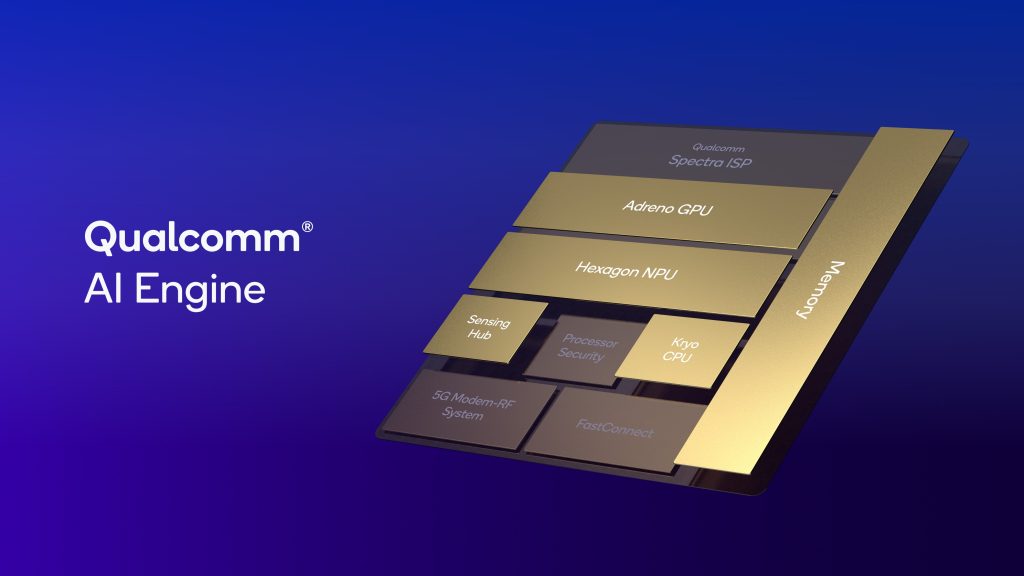
Smartphone manufacturers constantly tout the AI capabilities of their latest chips, specifically highlighting the Neural Processing Unit (NPU). You hear about it at every product launch. Qualcomm dedicates significant stage time to its Hexagon NPU. It’s worth recalling that this branding evolved from their digital signal processors (DSPs). There’s a reason for that.
Qualcomm, for instance, readily admits their AI journey started 15-20 years ago with signal processing. DSPs, architecturally similar to NPUs, were initially geared towards simpler tasks like audio processing (speech recognition) and managing modem signals. Yet, as “artificial intelligence” expanded, engineers pushed DSPs into parallel processing tasks, like long short-term memory (LSTM). This evolution continued with convolutional neural networks (CNNs), the bedrock of computer vision, further focusing DSPs on matrix functions crucial for generative AI.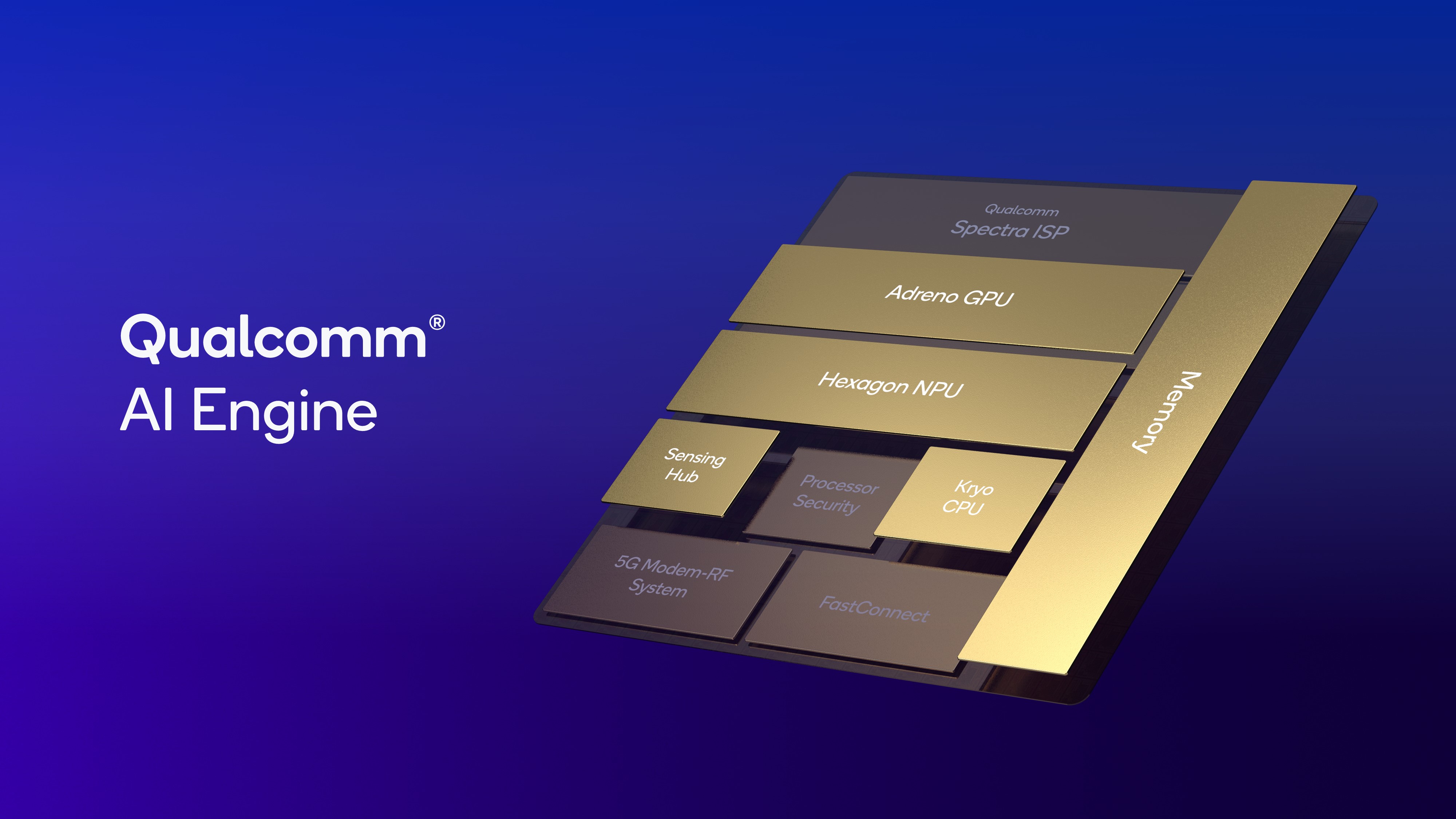 >
>
While there’s a clear lineage, it’s not right to see NPUs as merely souped-up DSPs. MediaTek clarifies, yes, an NPU is a digital signal processor in the general sense. Still, NPUs have evolved significantly, becoming far more optimized for parallelism, transformer-based operations, and handling the enormous parameter sets generative AI models need.
This begs the question: if NPUs are so crucial, why aren’t we seeing a revolution in smartphone AI? The improvements feel incremental, not transformative. Plenty of computational power on paper. But in practice, it sometimes feels more like marketing bravado.
It’s true, NPUs aren’t strictly essential for on-device (“edge”) AI. Consider this: CPUs, though slower, can manage lighter AI tasks efficiently. GPUs, on the other hand, can bulldoze through data faster than NPUs, albeit at a higher energy cost. Qualcomm even suggests that running AI tasks alongside demanding games might favor leveraging the GPU.>
This all points to a more nuanced picture. Simply throwing an NPU into a smartphone doesn’t guarantee superior AI experiences. It depends on how well the hardware is integrated with the software, how efficiently developers leverage the NPU’s capabilities, and the specific AI tasks being performed.
The real challenge lies in software optimization. We need developers to think creatively about utilizing the NPU to its full potential. Current applications tend to focus on basic image processing and simple language tasks. What about more ambitious applications? What about AI-powered contextual awareness that anticipates your needs throughout the day? What about robust on-device language models capable of complex reasoning and creative text generation without relying on a cloud connection?
I’ve seen this pattern before. A shiny new piece of hardware promises the world. Yet, the full benefits remain unrealized because the software lags behind. We saw it with multi-core processors, and we are seeing it now with NPUs.
This isn’t to say NPUs are useless. They certainly offer advantages in terms of power efficiency and dedicated processing. But the industry needs to move beyond simply boasting about NPU tera-operations per second (TOPS) and start delivering tangible, game-changing AI experiences.
It’s worth pointing out the potential downsides. Increased reliance on AI, even on-device, raises privacy concerns. How is this data being used? Is it truly secure? How much control do users have over their own AI experiences?
Another point to note: the environmental impact of increasingly complex chips. Manufacturing these NPUs consumes significant energy and resources. As consumers, we need to push manufacturers towards more sustainable practices.
Ultimately, the success of NPUs hinges on a holistic approach. Hardware innovation must be paired with software optimization, ethical considerations, and a focus on real-world applications. Otherwise, the NPU will remain a largely untapped resource, a powerful engine idling in the background while the promised AI revolution remains just out of reach. We need more than just faster chips; we need smarter software and thoughtful integration. That’s where the real potential lies.


![[post_title]](https://samony.com.ng/wp-content/uploads/2025/12/Faroe-Islands-faces-Russian-retaliation-over-sanctions-related-to-alleged-300x200.jpeg?lm=6931855D "Faroe Islands Fishing Rights: A Risky Stand Against Russia")
![[post_title]](https://samony.com.ng/wp-content/uploads/2025/12/Awaziem-Targets-AFCON-Glory-After-World-Cup-Heartbreak.jpg?lm=69318599 "Can Awaziem’s World Cup Snub Fuel a Super Eagles AFCON Comeback?")
![[post_title]](https://samony.com.ng/wp-content/uploads/2025/12/1764853312_Why-Beatles-legend-Ringo-Starr-is-so-happy-that-the-300x158.jpg?lm=69318643 "Are the Beatles’ Remasters a Revelation or a Betrayal? Hear the Difference Yourself.")
![[post_title]](https://samony.com.ng/wp-content/uploads/2025/12/Perth-Wildcats-Seek-Revenge-Against-Melbourne-United-in-Round-11-300x169.jpg?lm=69317034 "Wildcats vs. United: Is This Perth’s Revenge Game?")




![[post_title]](https://samony.com.ng/wp-content/uploads/2025/12/Faroe-Islands-faces-Russian-retaliation-over-sanctions-related-to-alleged-1024x683.jpeg?lm=69318560 "Faroe Islands Fishing Rights: A Risky Stand Against Russia")
