![[post_title]](https://samony.com.ng/wp-content/uploads/2025/12/1764846161_Trumps-loyalist-Elias-Gerasoulis-blasts-Bashir-Ahmad-raises-question-about-1024x512.jpg?lm=69316A52)
Analyzing the Online Clash: Nigeria’s Democracy Under Scrutiny?
A recent social media fracas involving Elias Gerasoulis, a known Donald Trump advocate, and Bashir Ahmad, previously affiliated with Nigeria’s former President Buhari, sparked heated debate. The core? Nigeria’s standing as a sovereign nation and the health of its democracy. It is difficult to ignore the global interest in Nigeria.
Ahmad’s initial stance pushed back against perceived overreach from the United States, specifically regarding how Nigeria conducts its affairs. He emphasized Nigeria’s autonomy, its constitution, and its right to self-governance. So far, pretty standard rhetoric.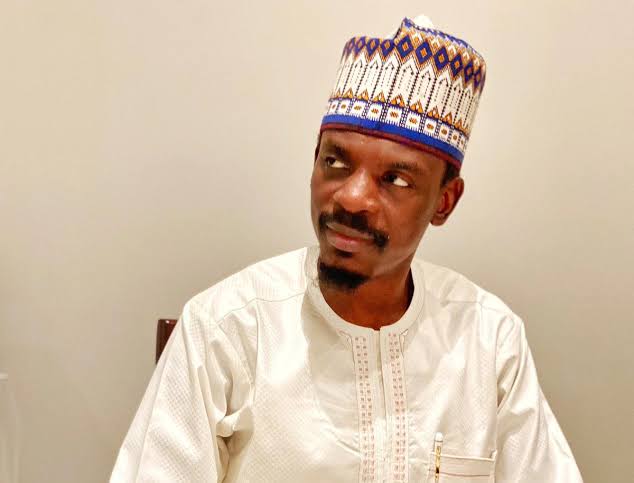 >
>
Yet, Gerasoulis’ response was anything but standard. His remarks questioned Nigeria’s legitimacy, suggesting it doesn’t “warrant the respect of a sovereign nation,” and even proposing a US approach akin to that used with Venezuela. These are strong claims, instantly inflaming passions.
Predictably, Ahmad took offense. He viewed the comments as a direct affront to over 200 million Nigerians, its governing laws, and its institutions. The question he posed – “who do you think you are to look down on our country?” – echoes sentiments felt by many in similar situations.
The argument then intensified. Gerasoulis launched into a broadside, painting Nigeria as an artificial creation of British colonialism. He alleged this construct favored Northern Nigerian Islamists for easier control and labeled Nigeria’s democracy a “bad joke.” Ouch.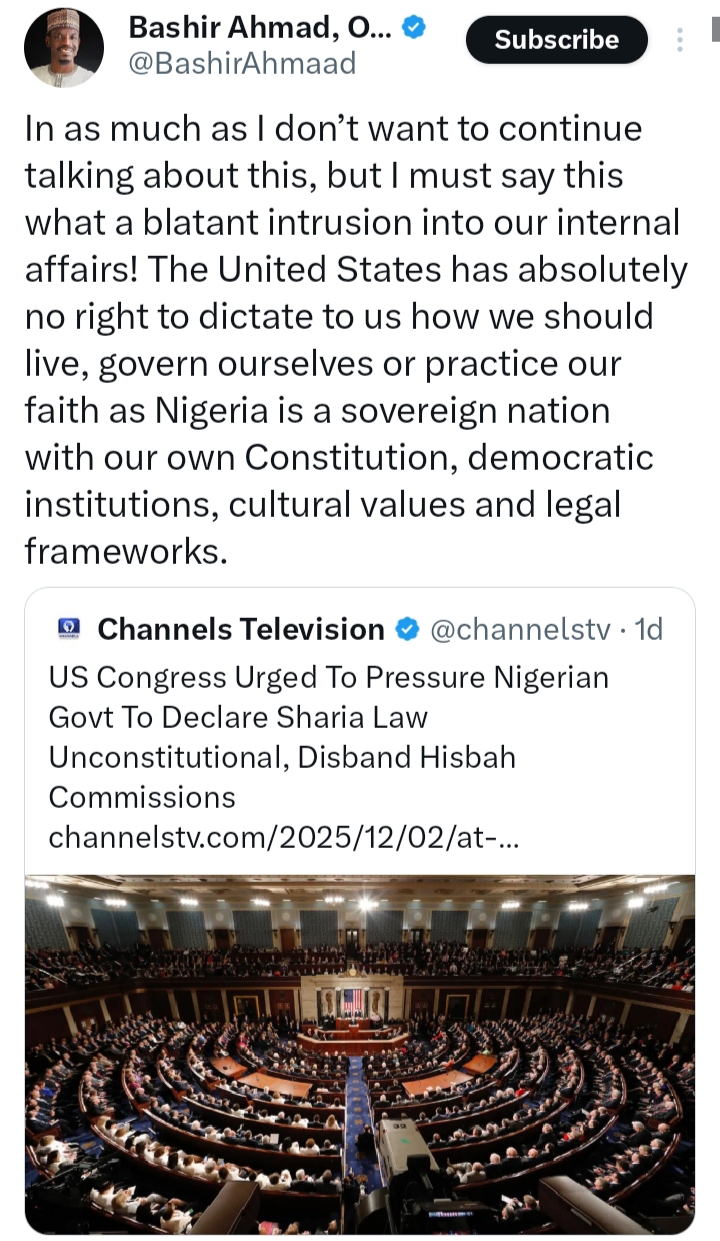 >
>
Social media exploded. Many Nigerians decried Gerasoulis’ statements as disrespectful and bordering on outright insult. Others used the episode to discuss larger problems – governance, sovereignty, and how the international community perceives Nigeria’s political landscape. I have witnessed this type of discourse countless times when internal politics become global news.
Now, stepping back. The exchange reveals a few uncomfortable truths. Is there legitimate concern about foreign powers meddling in Nigeria’s affairs? Certainly, Ahmad’s initial comment didn’t emerge from a vacuum. Nations are protective of their own decision-making; this is expected.
Still, Gerasoulis’ attack raises questions. Does Nigeria face internal challenges regarding its democratic processes? Is its structure truly representative, or are there echoes of colonial-era power dynamics? These are issues many Nigerians themselves grapple with. It’s unlikely an outsider’s crude assessment will resolve them.
Furthermore, branding a nation’s democracy a “bad joke” discounts the efforts of countless individuals striving for a better system. Progress is often slow, uneven, and messy. Discounting it entirely does little good.
It’s worth noting that Gerasoulis’ perspective likely comes from a specific ideological viewpoint, colored by his allegiance to Trump. This doesn’t automatically invalidate his observations, but it demands we view them through a critical lens. Every opinion has a source.
This challenge – balancing national sovereignty with legitimate concerns about governance – isn’t unique to Nigeria. Many nations navigate this complex terrain. The real problem arises when dialogue devolves into inflammatory rhetoric, obscuring any chance for genuine understanding.
Given these facts, the online clash serves as a reminder. Nigeria, like any nation, is a work in progress. It possesses both strengths and vulnerabilities. To move forward, internal criticisms are essential, and external observations should be carefully considered. It is not enough to dismiss differing views as simply interference. Instead, Nigeria needs to engage thoughtfully and defend its progress, acknowledging areas needing improvement.
To that end, perhaps the most productive outcome of this debate would be a renewed commitment to strengthening Nigeria’s democratic institutions from within. It means promoting inclusive governance, addressing corruption, and ensuring fair representation for all its citizens. Change starts at home.

![[post_title]](https://samony.com.ng/wp-content/uploads/2025/12/Why-Presidency-Is-Silent-Over-The-Controversy-On-Ambassadorial-List.jpg?lm=69316934 "Nigeria’s Ambassadorial List: Why the President Isn’t Talking—And What It Means.")
![[post_title]](https://samony.com.ng/wp-content/uploads/2025/12/1764846161_Trumps-loyalist-Elias-Gerasoulis-blasts-Bashir-Ahmad-raises-question-about-300x150.jpg?lm=69316A52 "Nigeria’s Democracy on Trial: Foreign Meddling or Fair Criticism?")
![[post_title]](https://samony.com.ng/wp-content/uploads/2025/12/Introducing-the-New-YouTube-Recap-Your-Year-on-YouTube-300x169.png?lm=693153DB "YouTube’s “Recap”: Data Mine or Digital Reflection?")
![[post_title]](https://samony.com.ng/wp-content/uploads/2025/12/Ned-Nwoko-paid-us-N5-million-each-to-kill-Regina-300x162.jpg?lm=69315410 "Ned Nwoko & Regina Daniels: Murder Plot Claim Shakes the Internet – What Happens Now?")

![[post_title]](https://samony.com.ng/wp-content/uploads/2025/12/Leadership-transition-at-Construction-Kaiser-ushers-in-Euchenhofer-as-CEO.png?lm=693168C9 "CKL’s CEO Change: Navigating Nigeria’s Construction Realities, Not Just a Global Playbook")