

![[post_title]](https://samony.com.ng/wp-content/uploads/2025/12/1764781739_Musk-told-private-DOGE-meeting-the-US-is-beginning-a-1024x683.jpg?lm=69306EAF)
Decoding Elon Musk’s Prediction: A 12-Year Trump-Vance Dynasty?
Elon Musk, ever the provocateur, has reportedly shared his vision for the next decade-plus of American politics. He envisions a “great 12-year span” spearheaded by a second Trump term, followed by two terms of JD Vance. This forecast, made at a gathering of his former “Department of Government Efficiency” employees (DOGE), immediately raises eyebrows. Is this simply Musk’s off-the-cuff speculation, or a calculated pronouncement with deeper implications?
Musk, as the world knows, isn’t just any tech mogul. His ventures influence everything from space travel to electric vehicles, and his opinions, however outlandish they may sound to some, reverberate across industries and, increasingly, the political landscape. It is not surprising, therefore, that political strategists and common people alike, find his visions of the future interesting. That said, how seriously should we take this particular prediction?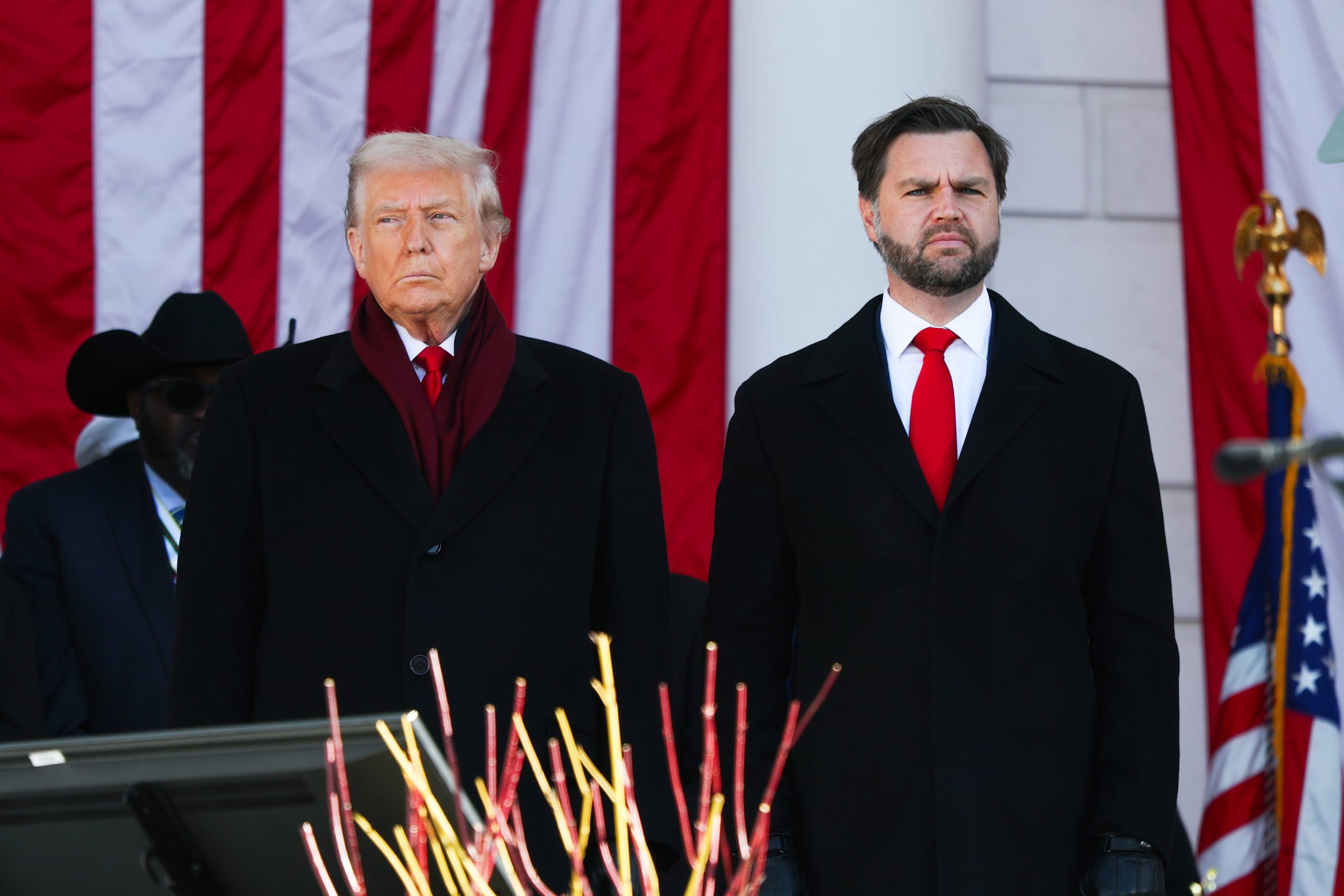 >
>
Well, let’s consider the source. Musk, while undoubtedly brilliant, isn’t a political scientist. He is, however, a shrewd observer of human behavior and a master of public relations. He understands the power of a well-placed statement to shape narratives. His prediction could be seen as a strategic endorsement, designed to bolster Vance’s standing within the Republican Party and influence the upcoming election cycle.
It’s important to note that this vision aligns, at least partially, with some Republican circles’ thinking. Vance, despite Trump’s own flirtations with a possible (and legally questionable) third term, is often viewed as a frontrunner for the GOP’s future. Still, Trump’s reluctance to formally endorse Vance, coupled with Trump’s oldest son, Donald Trump Jr.’s rise, complicate this picture. This leaves plenty of room for speculation and power plays.
Yet, within this seemingly simple endorsement of a Trump-Vance power structure, complexities hide. ABC News journalist Jonathan Karl suggests Trump’s allusions to running in 2028 are merely a form of “trolling,” perhaps even directed at Vance himself. Former White House strategist Steve Bannon, apparently no fan of Vance, seems to be fueling this narrative, too. Politics, as always, seems to be a game of chess played on multiple levels.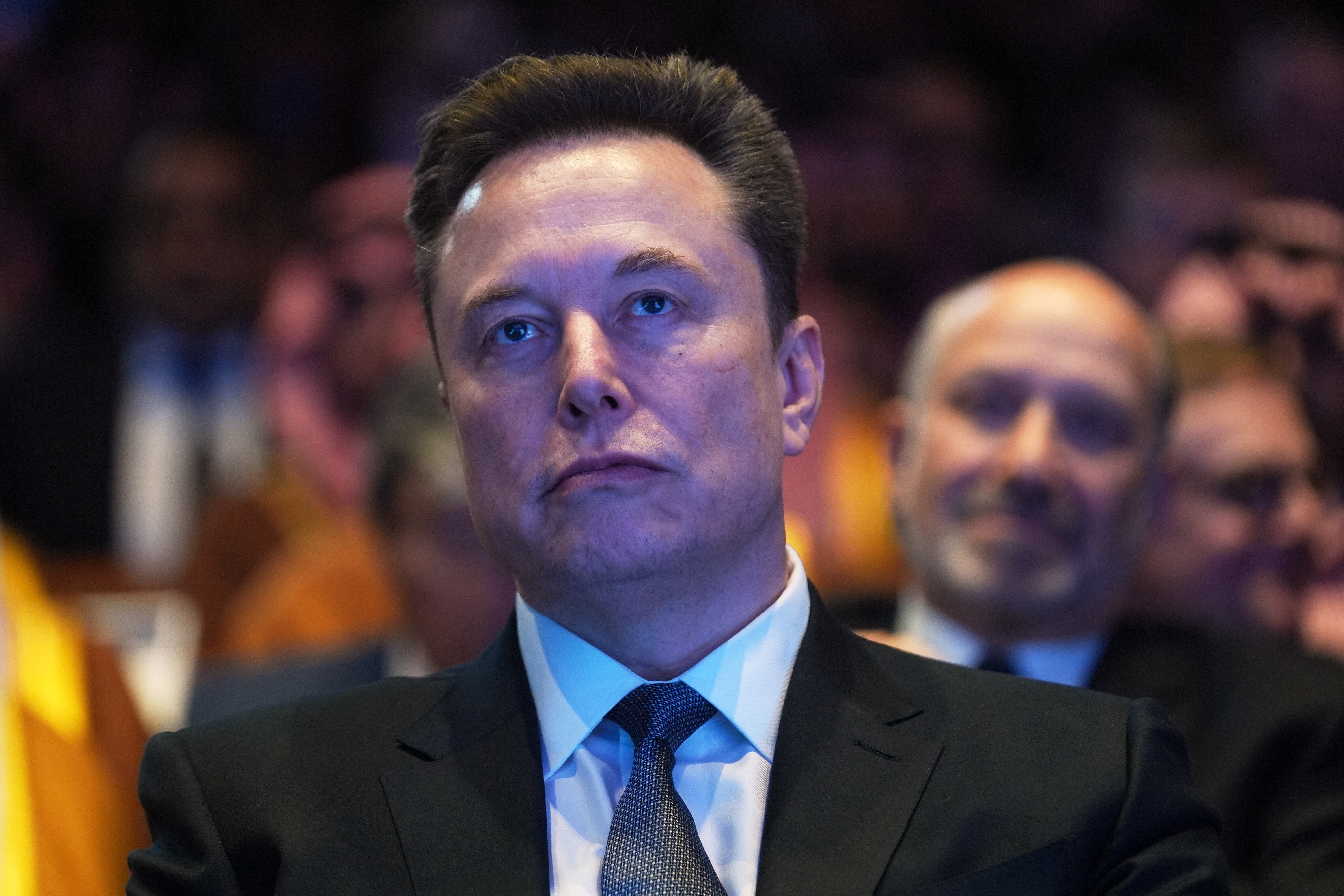 >
>
The situation is further convoluted by Musk’s own rocky relationship with Trump. Recall their very public falling out after Musk’s brief stint advising Trump’s administration. The social media spats and accusations flew freely, highlighting a deep divide. While recent efforts at reconciliation, including brief meetings at public events, suggest a thawing of relations, skepticism remains. Are these genuine attempts to bridge the gap, or merely strategic maneuvers?
Consider the backdrop against which Musk delivered this forecast. He cited concerns about being a top assassination target in the U.S., which kept him from attending the DOGE gathering in person. This statement, whether based on credible threats or personal anxieties, adds another layer of intrigue. Is Musk attempting to deflect attention from other issues, or is he genuinely concerned for his safety?
Given these facts, evaluating the likelihood of this Musk-predicted future requires us to dig a bit. While the idea of a Trump-Vance transition resonates with some, the complexities of the Republican Party and the personalities involved create substantial uncertainty. The field is competitive, and contenders such as Donald Trump Jr. represent a powerful base.
It’s worth noting how public sentiment can shift, especially given the current political climate. The electorate is volatile, and the issues that resonate today may be irrelevant tomorrow. For example, a major economic downturn, an unexpected foreign policy crisis, or a shift in cultural values could dramatically alter the political landscape, making any long-term predictions inherently risky.
To that end, Vance himself remains somewhat enigmatic. His recent comments about deferring any consideration of a presidential run until after the 2026 midterms suggest a cautious approach. This calculated response might come from a desire not to alienate Trump or to focus on his current role as Vice President. Yet, it is also possible he is waiting for signals.
This challenge, of reading between the lines, is constant. Public statements often conceal more than they reveal. Motives are rarely pure, and alliances can shift in an instant.
Still, despite the many unknowns, Musk’s prediction is worth dissecting. It offers a glimpse into the thinking of a powerful figure who wields considerable influence in both the business and political realms. By examining his motivations and the context surrounding his statements, we can gain a deeper understanding of the forces shaping the future of American politics.
Yet, let’s not forget the power of unforeseen events. Political careers can be derailed by scandal, missteps, or sheer bad luck. The best-laid plans can fall apart in the face of unexpected challenges. So, while it’s tempting to try and predict the future, a healthy dose of skepticism is always warranted.
In any case, whatever happens, the next few years promise to be anything but dull. The interplay of ambition, ideology, and circumstance will undoubtedly create a political drama of epic proportions. And with figures like Musk playing a prominent role, we can expect the unexpected.

![[post_title]](https://samony.com.ng/wp-content/uploads/2025/12/1764781739_Musk-told-private-DOGE-meeting-the-US-is-beginning-a-300x200.jpg?lm=69306EAD "Musk’s 12-Year Prediction: Inside the Geopolitics of Tech Mogul Endorsements")
![[post_title]](https://samony.com.ng/wp-content/uploads/2025/12/Elon-Musk-is-on-a-racist-posting-spree-again-300x157.jpg?lm=69306EBA "X, Musk, and the Perilous Pursuit of Free Speech")
![[post_title]](https://samony.com.ng/wp-content/uploads/2025/12/SHOCKING-Lady-who-fasted-and-prayed-7-days-for-God.webp-300x150.webp "Nigerian Woman’s Genotype Prayer Ends in Betrayal, Sparks Online Debate")
![[post_title]](https://samony.com.ng/wp-content/uploads/2025/12/VfB-Stuttgart-Pressekonferenz-VfL-Bochum-gegen-VfB-Stuttgart-300x169.jpg?lm=69306CB4 "Stuttgart Faces Cup Test at Resurgent Bochum")
![[post_title]](https://samony.com.ng/wp-content/uploads/2025/12/Were-coming-to-rescue-you-from-your-husbands-house-300x150.jpg?lm=69306CFC "Did Teni Just Throw Shade at 2Baba’s Marriage? The Internet Thinks So")


![[post_title]](https://samony.com.ng/wp-content/uploads/2025/12/Ryan-Alebiosu-Interesting-Facts-About-New-Super-Eagles-Prospect.jpeg?lm=69306E0E "Alebiosu to Super Eagles: Hype or Hope? What Nigeria’s Fans Should Know.")
![[post_title]](https://samony.com.ng/wp-content/uploads/2025/12/1764781715_Guinness-treats-Abuja-football-fans-to-spectacular-Match-Day-Epic.jpg?lm=69306E93 "Guinness & Football in Nigeria: Epic Win or Missed Opportunity?")
![[post_title]](https://samony.com.ng/wp-content/uploads/2025/12/Elon-Musk-is-on-a-racist-posting-spree-again-1024x535.jpg?lm=69306EBC "X, Musk, and the Perilous Pursuit of Free Speech")
