

![[post_title]](https://samony.com.ng/wp-content/uploads/2025/12/1764781715_Guinness-treats-Abuja-football-fans-to-spectacular-Match-Day-Epic.jpg?lm=69306E93)
Analyzing Industry Trends: Guinness, Football, and Experiential Marketing in Nigeria
Guinness Nigeria recently hosted a “Match Day Epic” event in Abuja, aiming to fuse football fandom with brand engagement. It’s an interesting move, and one we’ve seen executed in varying forms before. The goal? Cement Guinness’s position as the beer of choice for Premier League enthusiasts in Nigeria. The playbook is familiar: music, fan games, prizes, and, naturally, plenty of Guinness.
The event clearly aimed at tapping into Nigerians’ well-known passion for football. They set up an atmosphere of friendly rivalry between fans of different clubs, mostly premier league. They had music, games, and opportunities to win prizes. The organizers were quoted about creating an “unforgettable experience.” A brand manager described it as bringing a “global stadium experience” with a “blend of Nigerian experience and culture.”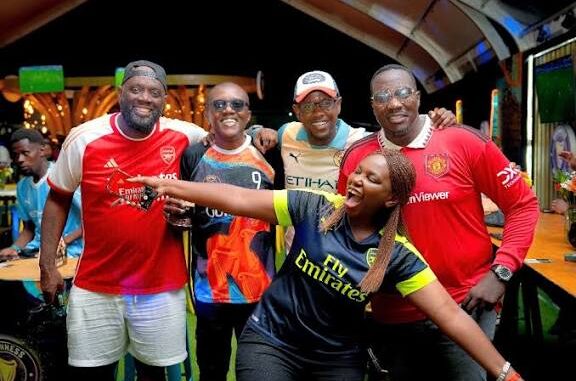 >
>
But let’s unpack this a bit. Experiential marketing, when done right, forges a powerful connection. It moves beyond simple advertising, building an association between the brand and positive emotions, memories, and social interactions. In Nigeria, where community and shared experiences hold significant weight, this strategy possesses considerable potential.
Yet, it’s not enough to just throw a party. The key is to ensure the experience feels authentic and resonates with the target audience. Did the “Match Day Epic” actually manage that? Based on reported fan reactions, specifically the Chelsea and Arsenal fans quoted, it seems like they were able to create a fun experience. One fan even suggested they do it again this year.
Still, a couple of things warrant closer examination. First, the reliance on Premier League fervor is a double-edged sword. While the English league enjoys immense popularity, a deeper engagement with the local Nigerian Professional Football League (NPFL) is needed. One Arsenal fan highlighted this. This is a sentiment that needs to be explored. Tapping into local pride could significantly enhance brand affinity and even help grow the local sports economy.>
Second, the reported comments from Guinness representatives are fairly standard marketing rhetoric. “Best drink for everyone,” “cuts across demography” – such broad statements lack the nuance required to truly connect with consumers. Modern marketing needs to be more precise, targeting specific segments and addressing their unique needs and aspirations. It’s about authenticity over generic appeal.
Guinness isn’t the only brand playing this game. Competition in the Nigerian beverage market is intense, and other players are also vying for the attention of football fans. The battleground extends beyond traditional advertising. Expect to see more brands investing in similar experiential activations, from viewing parties to community tournaments. What will separate the winners from the losers? The authenticity of their engagement, their willingness to invest in local football, and their ability to deliver genuinely unique and memorable experiences.
It’s also worth thinking about the long-term impact. Can a single event, no matter how spectacular, translate into sustained brand loyalty? Probably not. Building a lasting connection requires a consistent presence, a genuine commitment to the community, and a willingness to listen to and respond to customer feedback. This includes embracing new technologies and platforms to reach consumers where they are.
Given these facts, I’d suggest Guinness (and other brands considering similar strategies) focuses on these critical areas:
Local Integration: Sponsor NPFL teams, support grassroots football initiatives, and create opportunities for local players. Personalization: Tailor experiences to specific audience segments based on their interests, preferences, and cultural nuances. Digital Engagement: Leverage social media, mobile apps, and other digital channels to extend the reach and impact of offline activations. Measurement & Evaluation: Track key metrics beyond attendance numbers, such as brand sentiment, social media engagement, and sales lift. This allows for continuous optimization and improvement. Authenticity: Ditch the marketing jargon and focus on building genuine connections with consumers. Let their passion for football speak for itself.
In any case, the “Match Day Epic” serves as a useful case study. It highlights the potential of experiential marketing in Nigeria, while also underscoring the need for a more nuanced and strategic approach. Brands that get it right will not only win the hearts of football fans but also strengthen their position in a competitive marketplace. Still, there is work to be done. Let’s see if they pick up the ball and run with it.

![[post_title]](https://samony.com.ng/wp-content/uploads/2025/12/1764781739_Musk-told-private-DOGE-meeting-the-US-is-beginning-a-300x200.jpg?lm=69306EAD "Musk’s 12-Year Prediction: Inside the Geopolitics of Tech Mogul Endorsements")
![[post_title]](https://samony.com.ng/wp-content/uploads/2025/12/Elon-Musk-is-on-a-racist-posting-spree-again-300x157.jpg?lm=69306EBA "X, Musk, and the Perilous Pursuit of Free Speech")
![[post_title]](https://samony.com.ng/wp-content/uploads/2025/12/SHOCKING-Lady-who-fasted-and-prayed-7-days-for-God.webp-300x150.webp "Nigerian Woman’s Genotype Prayer Ends in Betrayal, Sparks Online Debate")
![[post_title]](https://samony.com.ng/wp-content/uploads/2025/12/VfB-Stuttgart-Pressekonferenz-VfL-Bochum-gegen-VfB-Stuttgart-300x169.jpg?lm=69306CB4 "Stuttgart Faces Cup Test at Resurgent Bochum")
![[post_title]](https://samony.com.ng/wp-content/uploads/2025/12/Were-coming-to-rescue-you-from-your-husbands-house-300x150.jpg?lm=69306CFC "Did Teni Just Throw Shade at 2Baba’s Marriage? The Internet Thinks So")

![[post_title]](https://samony.com.ng/wp-content/uploads/2025/12/Ryan-Alebiosu-Interesting-Facts-About-New-Super-Eagles-Prospect.jpeg?lm=69306E0E "Alebiosu to Super Eagles: Hype or Hope? What Nigeria’s Fans Should Know.")
![[post_title]](https://samony.com.ng/wp-content/uploads/2025/12/1764781739_Musk-told-private-DOGE-meeting-the-US-is-beginning-a-1024x683.jpg?lm=69306EAF "Musk’s 12-Year Prediction: Inside the Geopolitics of Tech Mogul Endorsements")
![[post_title]](https://samony.com.ng/wp-content/uploads/2025/12/Elon-Musk-is-on-a-racist-posting-spree-again-1024x535.jpg?lm=69306EBC "X, Musk, and the Perilous Pursuit of Free Speech")
