Steam Machine GPU: An 8GB RAM Bottleneck? Industry Analysis and Observations
Valve’s upcoming Steam Machine is generating buzz, but the choice of an 8GB GPU has raised eyebrows. The promise of decent 1080p to 1440p gaming, with occasional 4K upscaling, is reasonable for a mid-range card. Yet, that 8GB of dedicated graphics RAM feels like a potential snag, a bottleneck that’s already showing its teeth in current-gen GPUs.
We’ve seen the performance ceilings imposed by limited VRAM in Windows, especially when pushing for 1440p. Now, initial testing on SteamOS paints an even less rosy picture. It seems 8GB GPUs are struggling more in SteamOS betas than they do in Windows 11 when running the same games at identical settings. This challenge could limit gaming experiences on the Steam Machine. >
>
It’s not all doom and gloom. Valve is aware of this issue and is reportedly working on solutions. This is where having a fixed platform like the Steam Machine becomes advantageous. It provides a stable foundation to optimize the operating system and drivers, benefiting other hardware configurations with similar specs. Still, there’s work to be done.
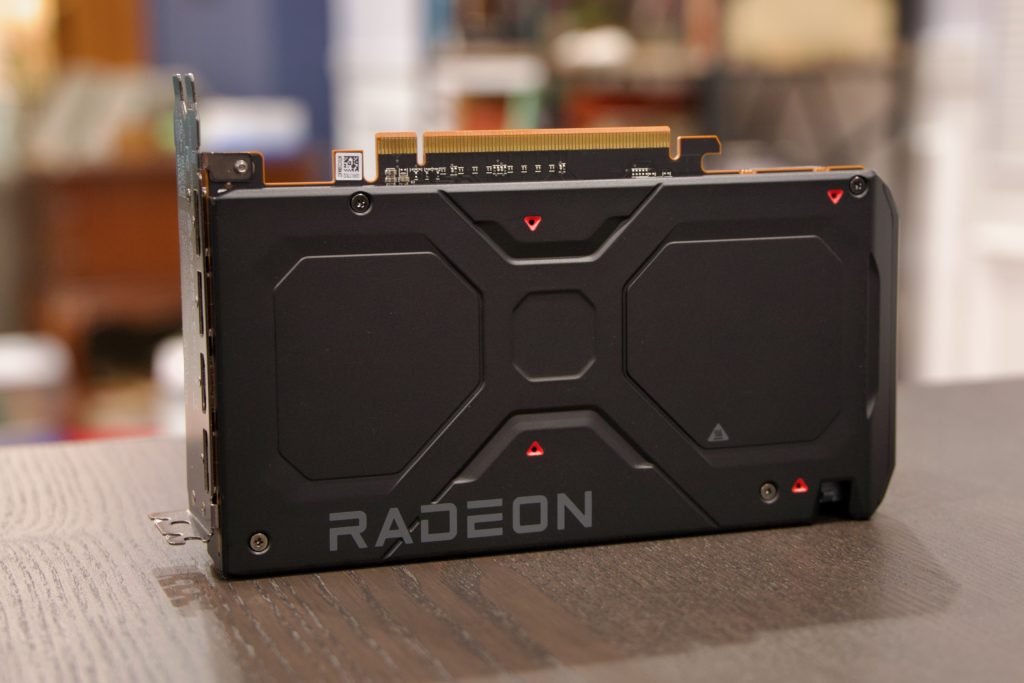
Consider the numbers. Tests comparing the 8GB Radeon RX 7600 with the 16GB Radeon RX 7600 XT highlight the problem. These cards are nearly identical to the hardware Valve intends to use in the Steam Machine (with a minor difference in compute units), based on the same RDNA3 architecture. Crucially, the primary distinction lies in the amount of memory. To that end, these cards provide an excellent means of comparison to evaluate the challenges of 8GB RAM.
I have observed this pattern of GPU memory limitations before. Remember the early days of 4K gaming? A similar memory wall loomed, forcing gamers to make tough choices between resolution and graphical fidelity. We could face a similar issue here.>
It’s worth noting a couple of key points. First, SteamOS is still in beta. Optimization efforts are ongoing, and future updates could significantly improve performance. Second, Valve has a track record of innovative solutions. Their work with Proton, for example, demonstrated their ability to overcome compatibility barriers.
Yet, skepticism is warranted. Game developers are pushing graphical boundaries, with increasingly detailed textures and complex effects that demand more VRAM. Can software optimization alone bridge the gap created by a hardware limitation? We shall see.
This challenge isn’t just about the Steam Machine. It reflects a wider industry trend. Graphics card manufacturers are segmenting the market, offering cards with varying memory capacities to cater to different price points. But, are they offering enough memory for the games of today, let alone tomorrow? This is a tough call.
This brings up an interesting question: How does the Steam Machine compete with existing consoles or even a modestly built PC? If the graphics performance is noticeably constrained by the 8GB of RAM, it might struggle to find a niche. Gamers looking for the best possible experience may simply opt for alternatives.
Given these facts, Valve needs to address this VRAM bottleneck convincingly. This could involve aggressive driver optimization, smart memory management techniques within SteamOS, or even working directly with game developers to optimize their titles for the Steam Machine’s hardware. Each approach will come with its own set of obstacles.
It’s easy to focus on the negative, but it’s crucial to acknowledge Valve’s long-term vision. The Steam Machine isn’t just about raw power. It’s about creating a seamless, user-friendly gaming experience that brings PC gaming to the living room. Achieving this requires more than just powerful hardware; it requires a cohesive software ecosystem.
Looking ahead, the success of the Steam Machine hinges on Valve’s ability to overcome this GPU memory limitation. If they can deliver a consistently smooth and enjoyable gaming experience, despite the hardware constraints, they could carve out a unique space in the market. If not, the Steam Machine may become another example of good intentions failing to meet real-world demands.
The industry will be watching closely to see how Valve navigates this challenge. What is learned from optimizing the Steam Machine could have a positive ripple effect, benefiting PC gamers on a wide range of hardware configurations. The Steam Machine becomes a proving ground, of sorts, and that’s good for everyone.
Ultimately, the choice of 8GB of VRAM poses both a risk and an opportunity for Valve. They must effectively manage resources to optimize the Steam Machine and remain competitive in the gaming market. The coming months will reveal if they can pull it off.



![[post_title]](https://samony.com.ng/wp-content/uploads/2025/12/1764752038_Gary-Lineker-to-appear-on-Netflix-in-2026-World-Cup-300x202.jpg?lm=692FFAA9 "Lineker on Netflix? This Changes Everything About How We Watch Football.")