Analyzing the Appointment of Nigeria’s Defence Minister: More Than Just a ‘Round Peg’?
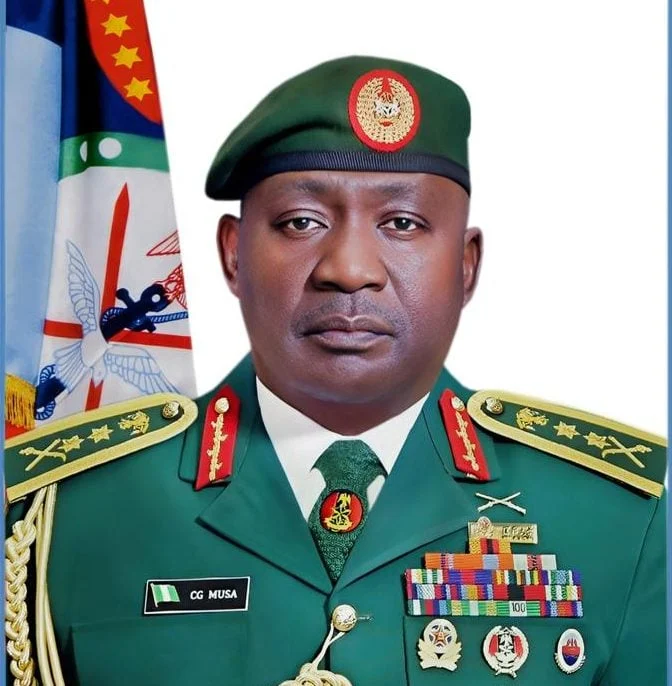
The recent appointment of former Chief of Defence Staff (CDS), General Christopher Musa, as Nigeria’s new Defence Minister has triggered a wave of reactions, and rightly so. Shehu Sani, the former senator representing Kaduna Central, weighed in, characterizing the move as “a round peg in a round hole.” This statement, while concise, glosses over a few pertinent questions surrounding the intricacies of leadership transitions in Nigeria’s security sector. Is it truly as simple as fitting the right person to the role, or are there deeper currents at play?
Musa’s appointment, confirmed in early December 2025, arrives mere weeks after his removal from the CDS post. This timing alone raises eyebrows. Typically, such transitions involve a period of adjustment, reflection, or perhaps even reassignment to a different area of responsibility. A swift elevation to Defence Minister is… unusual. >
>
Sani’s assertion certainly has merit. Musa’s extensive military background positions him as intimately familiar with the challenges plaguing Nigeria’s security landscape. He has operational experience. He knows the system. This familiarity, theoretically, should enable him to hit the ground running, implementing policies and strategies with minimal delay.
Yet, experience isn’t everything. The Defence Minister’s role isn’t solely about military strategy. It involves navigating complex political landscapes, managing budgets, fostering international collaborations, and ensuring civilian oversight of the armed forces. These elements require a different skillset. It necessitates a leader capable of bridging the gap between the military and the political establishment. Is Musa equipped to do so effectively? Time will reveal this.
The public reaction, as observed across social media platforms, is predictably mixed. Some echo Sani’s sentiment, believing that Musa’s track record makes him the ideal candidate. Others express concern about the frequency of leadership changes within the security apparatus. The latter group rightly points out that constant reshuffling can disrupt long-term strategic planning, create instability, and potentially undermine morale within the armed forces. It is a valid concern. >
>
This rapid change also creates an uncomfortable question: why the removal from CDS so shortly before the appointment? Was there a specific performance issue, a clash of personalities, or a larger political calculus at play? These are the kinds of behind-the-scenes dynamics that the “round peg” analogy tends to ignore. The reality is often more nuanced than a simple skills match.
Consider this: the Defence Minister’s office is a highly visible, politically charged position. Success hinges not only on technical expertise but also on the ability to build consensus, manage expectations, and navigate the treacherous waters of Nigerian politics. Prior experience in the military doesn’t guarantee proficiency in these areas.
Furthermore, the notion of a single “round peg” implies that there’s only one person perfectly suited for the job. That’s a dangerous assumption. Effective leadership often stems from diverse perspectives, collaborative decision-making, and a willingness to challenge the status quo. Relying solely on internal candidates, regardless of their qualifications, can stifle innovation and limit the pool of talent available to tackle Nigeria’s multifaceted security challenges.
It’s worth noting the broader context of Nigeria’s security situation. The country wrestles with banditry, insurgency, and separatist movements, among other threats. These require comprehensive, multi-pronged approaches that transcend traditional military solutions. The Defence Minister must be a strategist, a diplomat, and a leader capable of coordinating efforts across various government agencies and civil society organizations.
From my experience, real progress demands a leadership style that prioritizes transparency, accountability, and respect for human rights. These principles need to become embedded in the very fabric of the security sector. The Defence Minister must embody and promote these values.
So, while General Musa’s appointment may appear to be a logical fit on the surface, a deeper examination reveals a more complex picture. Whether he can truly deliver on the promise of enhanced security remains to be observed. His previous military accomplishments matter. But his ability to navigate the political landscape, foster collaboration, and promote good governance will ultimately determine his success. We need more than just a round peg. We need a leader with vision, integrity, and the courage to challenge the old ways of doing things. Nigeria’s security depends on it.


![[post_title]](https://samony.com.ng/wp-content/uploads/2025/12/1764752038_Gary-Lineker-to-appear-on-Netflix-in-2026-World-Cup-300x202.jpg?lm=692FFAA9 "Lineker on Netflix? This Changes Everything About How We Watch Football.")